Vitamin D Deficiency: Symptoms, Causes, and Solutions
Auf Deutsch lesen
Vitamin D is a unique nutrient – technically a hormone that your body can produce on its own when sunlight hits your skin. The problem? For many of us, sunlight exposure simply isn't sufficient. During winter months, the sun sits too low in the sky for adequate production. And even in summer, most people spend the majority of their time indoors. The result: an estimated 42% of American adults are vitamin D deficient. Here's how to recognize a deficiency and what to do about it.
Why Vitamin D Matters So Much
Vitamin D is involved in a remarkable range of bodily functions:
- Bone health: Vitamin D is essential for calcium absorption. Without enough of it, your body can't properly use calcium – even if your dietary intake is sufficient
- Immune function: Vitamin D plays a central role in immune defense. Deficiency is linked to increased susceptibility to infections
- Muscle strength: Vitamin D influences muscle function. A deficiency can lead to muscle weakness and increased fall risk
- Mood: There's a clear connection between low vitamin D levels and depression, particularly seasonal affective disorder (SAD)
- Sleep: Vitamin D affects melatonin production and, consequently, sleep quality
Common Symptoms of Vitamin D Deficiency
The tricky thing about vitamin D deficiency: the symptoms are often nonspecific and easily attributed to other causes. Watch for these signs:
Persistent fatigue: You sleep enough but still feel constantly tired? Vitamin D deficiency could be the culprit. Studies show that people with low vitamin D levels report chronic fatigue significantly more often.
Frequent illness: Do you catch every cold and flu that goes around? Vitamin D is a critical immune system modulator. A deficiency measurably weakens your defenses.
Mood changes and low mood: Particularly during darker months, vitamin D deficiency can noticeably affect your mood. Seasonal affective disorder is closely tied to insufficient sunlight exposure.
Bone and muscle pain: Diffuse aches in bones and muscles, especially in the back and legs, can point to vitamin D deficiency.
Slow wound healing: Vitamin D is involved in inflammatory processes. If wounds take unusually long to heal, a deficiency may be contributing.
Hair loss: Excessive hair loss is rarely connected to vitamin D, but it can be a symptom, particularly in women.
Why So Many People Are Affected
Insufficient sunlight
The primary source of vitamin D is UVB radiation from the sun. At latitudes above 37 degrees north (roughly north of Los Angeles or Athens), the sun sits too low in the sky from October through March for adequate vitamin D production. But even during summer, many people don't get enough:
- Office work means spending most daylight hours indoors
- Sunscreen (important for skin protection!) blocks vitamin D production
- Older adults produce less vitamin D from the same amount of sun exposure
Limited dietary sources
Vitamin D is found in meaningful amounts in very few foods:
- Fatty fish (salmon, herring, mackerel)
- Cod liver oil
- Egg yolks
- Mushrooms (when exposed to UV light)
- Fortified foods (milk, orange juice, cereals)
Through diet alone, it's nearly impossible to meet your needs. Food provides only about 10-20% of required vitamin D.
Risk factors
Certain groups face a particularly high risk of deficiency:
- People with darker skin (more melanin reduces vitamin D production)
- Older adults
- People who are overweight (vitamin D gets stored in fat tissue and becomes less available)
- People who spend most of their time indoors
- People with certain digestive conditions (impaired absorption)
What You Can Do About Vitamin D Deficiency
Use sunlight wisely (April through September)
During warmer months, sunlight is your best vitamin D source:
- 15-20 minutes of midday sun on your face and forearms, without sunscreen
- Apply sunscreen afterward – the brief exposure is enough for production
- Make it regular, not just a weekend activity
Consider supplementation (October through March)
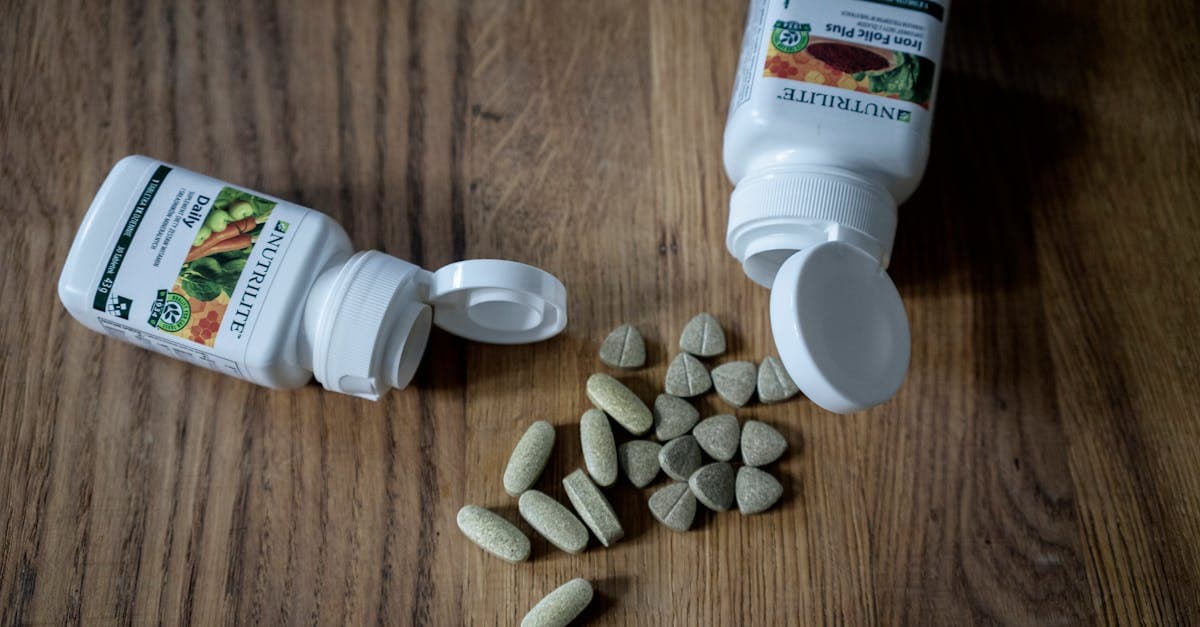
During winter months, many experts recommend supplementing:
- Recommended dose: 1,000-2,000 IU (International Units) per day for adults
- How to take it: With a fat-containing meal, since vitamin D is fat-soluble
- Vitamin D3: Choose vitamin D3 (cholecalciferol) over D2 – it's more effectively utilized
Important note: Before starting supplementation, ideally have your vitamin D level tested by a doctor. A blood test provides clarity about your current status. While you can't overdose on vitamin D from sunlight, excessive supplementation can be harmful.
Optimize your diet
While diet alone can't cover your needs, every bit helps:
- Eat fatty fish 2-3 times per week
- Use fortified dairy products or plant-based milks
- Include eggs in your breakfast routine
Understanding Your Vitamin D Status in Context
Vitamin D is a perfect example of why it matters to look at health holistically. Your vitamin D level influences your sleep, mood, energy, and performance – but these connections rarely become visible when you look at individual aspects in isolation.
With getNudge, you can bring your health data together and spot patterns: how does your sleep change in winter? Do you have less energy during certain months? Do you move less during the darker season? These insights help you take targeted action.
Download getNudge and understand how sleep, nutrition, and exercise connect – especially during the months when your body needs extra support.
Track your health with getNudge
getNudge helps you understand the connections between nutrition, sleep, and well-being – with personalized nudges based on your real data.