Iron Deficiency: Symptoms, Causes, and Treatment
Auf Deutsch lesen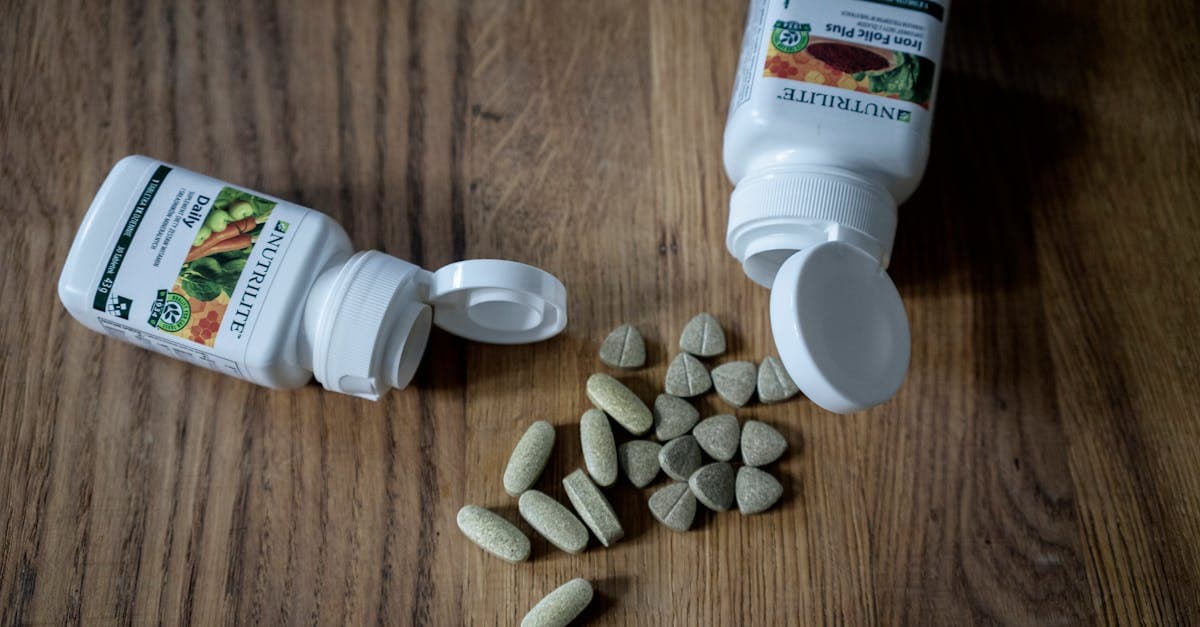
Constantly tired, pale, unfocused, and lacking motivation? These symptoms can have many causes, but one of the most common is often overlooked: iron deficiency. It affects over two billion people worldwide, making it the single most prevalent nutrient deficiency on the planet. In the United States alone, about 10 percent of women of childbearing age are iron deficient. The tricky part is that iron depletion develops gradually and is often not recognized until it has already taken a significant toll on well-being.
Why Iron Is So Important
Iron is an essential trace mineral that your body cannot produce on its own. Its most critical job is oxygen transport: iron is a key component of hemoglobin, the protein in red blood cells that carries oxygen from your lungs to every cell in your body. Without enough iron, your cells cannot get the oxygen they need.
Beyond oxygen transport, iron is involved in:
- Energy production: Iron is part of the enzymes in your mitochondria that generate cellular energy
- Immune function: Immune cells require iron to fight off pathogens effectively
- Brain function: Neurotransmitter production and cognitive performance depend on adequate iron status
- Muscle function: Myoglobin, an iron-containing protein in muscle tissue, stores oxygen for muscle work
Your body stores iron as ferritin, primarily in the liver. When intake is insufficient, these stores are gradually depleted over weeks and months — a slow process that often goes unnoticed until the deficit is substantial.
The Symptoms: How Iron Deficiency Shows Up
Iron deficiency progresses through three stages, with symptoms intensifying at each:
Stage 1 — Depleted iron stores: Ferritin levels drop, but there are no obvious symptoms yet. Only a blood test would reveal the early deficit.
Stage 2 — Iron-deficient erythropoiesis: Iron supply no longer meets all of the body's needs. Early symptoms may appear:
- Fatigue and exhaustion that sleep does not fix
- Difficulty concentrating and forgetfulness
- Reduced physical performance
- Pallor, especially noticeable in the mucous membranes and nail beds
- Increased hair loss
- Brittle nails, sometimes with ridges or a spoon-shaped appearance
Stage 3 — Iron deficiency anemia: Hemoglobin levels fall below the normal range. In addition to the above, more severe symptoms may emerge:
- Shortness of breath during mild exertion
- Heart palpitations and dizziness
- Cold hands and feet
- Restless legs syndrome
- Pica (unusual cravings for ice or non-food substances)
- Frequent infections
The Most Common Causes
Iron deficiency essentially has three causes: insufficient intake, excessive loss, or increased demand:
Inadequate dietary intake: An iron-poor diet is a particular risk for vegetarians and vegans, since plant-based iron (non-heme iron) is absorbed less efficiently than animal-based iron (heme iron). However, meat eaters can also be affected if their overall diet is unbalanced.
Increased loss: Menstruation is the most common cause of iron deficiency in women. Blood donors, people with gastrointestinal conditions that cause hidden bleeding, and regular users of NSAIDs like aspirin are also at higher risk.
Increased demand: Pregnant and breastfeeding women, growing children, and endurance athletes all have significantly higher iron requirements.
Impaired absorption: Certain conditions like celiac disease, inflammatory bowel disease, or Helicobacter pylori infection can impair iron absorption in the gut.
Getting the Right Diagnosis
If you suspect iron deficiency, see a doctor and request a blood panel. The key values to ask about are:
- Ferritin: The most important marker for iron stores. Levels below 15 ng/mL indicate iron deficiency, but many experts recommend a target of at least 40 to 50 ng/mL for optimal well-being.
- Hemoglobin (Hb): Shows whether anemia is present. Below 12 g/dL for women and 13 g/dL for men indicates anemia.
- Transferrin saturation: Shows how well iron is being distributed throughout the body.
- CRP (C-reactive protein): An inflammation marker. Important because ferritin can be artificially elevated during inflammation, masking true iron status.
Treatment: Rebuilding Your Iron Stores
Dietary changes: Iron-rich foods should become regular fixtures in your meals. Top sources include:
- Red meat and liver (heme iron, best bioavailability)
- Legumes: lentils, chickpeas, beans
- Whole grains and oats
- Pumpkin seeds and sesame seeds
- Dark leafy greens: spinach, kale, Swiss chard
Optimize absorption: Vitamin C dramatically improves iron absorption. Drink orange juice with your meal or pair iron-rich foods with bell peppers, broccoli, or lemon juice. Avoid coffee, black tea, and dairy products alongside iron-rich meals, as they inhibit absorption.
Supplementation: In cases of advanced deficiency, diet alone often is not enough. Your doctor may prescribe iron supplements, which are best taken on an empty stomach or with vitamin C for maximum absorption. Be patient — it can take three to six months to fully replenish depleted stores.
Intravenous iron: For severe deficiency or when oral supplements are not tolerated, intravenous iron infusions can rapidly restore levels under medical supervision.
Keeping Your Nutrition on Track
Iron deficiency can often be prevented or at least mitigated through conscious eating. But to do that, you need to know what you are eating — and whether you are getting enough iron-rich foods in your daily routine.
getNudge helps you document your nutrition and keep tabs on your nutrient intake. The app shows you how balanced your meals are and where there is room for improvement.
Download getNudge and stay on top of your nutrient intake — with smart tracking that helps you spot potential deficiencies and optimize your diet for better health.
Track your health with getNudge
getNudge helps you understand the connections between nutrition, sleep, and well-being – with personalized nudges based on your real data.