Preventive Health Checkups: Which Screenings You Should Get
Auf Deutsch lesen
Most of us only visit the doctor when something hurts. But many serious health conditions develop silently for years before symptoms appear — and that is precisely where preventive care comes in. Regular health screenings can catch problems long before they become critical, giving you the chance to intervene early. In this article, we break down which checkups actually matter and when to schedule them.
Why Prevention Is Your Best Health Investment
Prevention is one of the most powerful tools you have for protecting your health. Many of the leading causes of death — heart disease, type 2 diabetes, certain cancers — develop gradually. In their early stages, they are often highly treatable or even reversible. Caught late, the options narrow significantly.
Despite this, many people skip their recommended screenings. The reasons vary: too busy, afraid of what they might find, or simply unaware of what is available. But the time investment is minimal — one or two doctor visits per year covers most of what you need. The return on that investment can be life-changing. Research shows that regular screenings can reduce mortality from certain cancers by up to 30 percent.
Think of preventive care like maintaining a car. You do not wait for the engine to seize before changing the oil. Your body deserves the same proactive attention.
Essential Screenings by Age
In your 20s:
- Annual physical: Blood pressure, heart rate, BMI, and a general wellness check. This establishes your baseline.
- Cholesterol screening: The American Heart Association recommends a baseline test at age 20, then every four to six years if your levels are normal.
- Dental checkup (twice yearly): Catches cavities, gum disease, and oral cancer early.
- Skin check: Get to know your moles and watch for changes. If you have risk factors, see a dermatologist annually.
In your 30s:
- Blood glucose testing: Especially important if you are overweight or have a family history of diabetes. Prediabetes is far more common than most people realize.
- Thyroid function (if symptomatic): Fatigue, unexplained weight changes, and mood shifts can point to thyroid issues.
- STI screenings: Depending on your lifestyle and risk factors.
In your 40s:
- Comprehensive metabolic panel: A more detailed blood workup that includes liver and kidney function.
- Eye exam: Glaucoma risk increases with age. Get a baseline exam at 40.
- Mammogram (for women): Most guidelines recommend starting at 40, though some suggest 50. Discuss with your doctor.
- Prostate discussion (for men): Talk to your doctor about whether PSA testing is right for you.
At 45 and beyond:
- Colorectal cancer screening: A colonoscopy every ten years or stool-based testing more frequently. Colorectal screening is one of the most effective cancer prevention tools available.
- Lung cancer screening (if applicable): Recommended for heavy smokers or former smokers.
At 65 and beyond:
- Bone density scan: Especially important for women to screen for osteoporosis.
- Abdominal aortic aneurysm screening (one-time, for men): An ultrasound to detect dangerous swelling of the aorta.
This list provides general guidelines. Your doctor may recommend earlier or additional screenings based on your family history and personal risk factors.
Beyond Standard Screenings: Tests Worth Considering
In addition to the standard recommendations, several other tests can provide valuable insight into your health:
Comprehensive blood panel: Goes beyond the basics to include inflammation markers like CRP, a complete blood count, and detailed metabolic markers. Particularly useful if you have been feeling off without a clear cause.
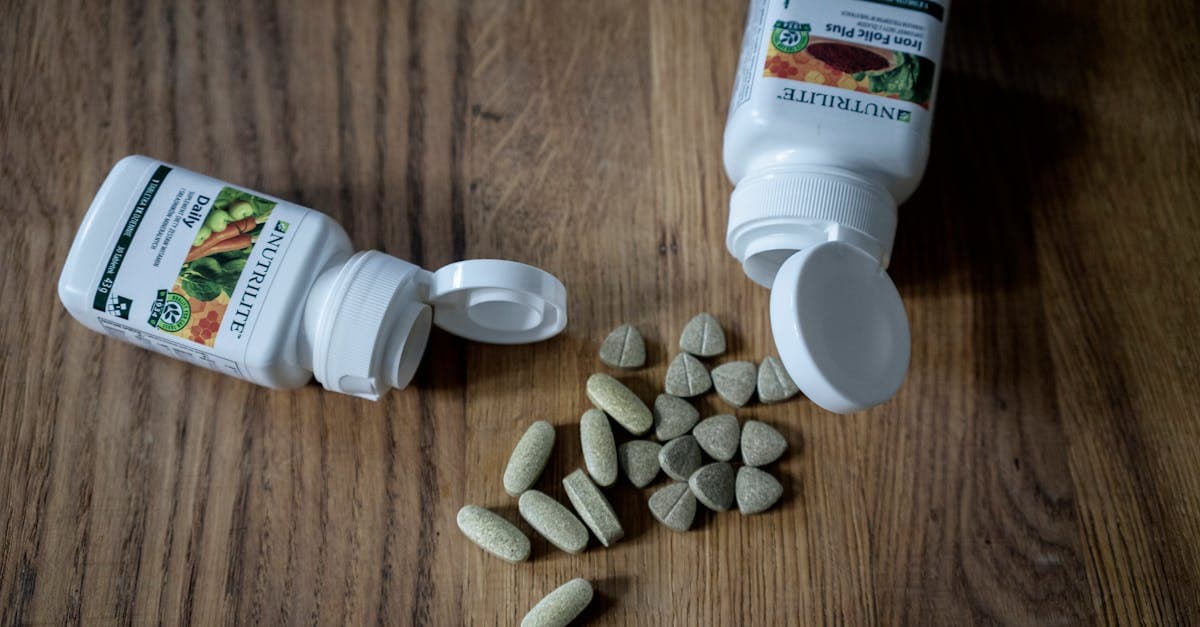
Vitamin D levels: Deficiency is remarkably common, especially in northern latitudes and among people who spend most of their time indoors. A simple blood test can reveal whether supplementation is needed.
Iron studies: Particularly important for women, vegetarians, and endurance athletes. Iron deficiency is one of the most common nutrient deficiencies worldwide and can cause fatigue, brain fog, and hair loss.
Thyroid panel: TSH alone may not tell the full story. Adding free T3 and free T4 provides a more complete picture of thyroid function.
HbA1c: This test reveals your average blood sugar over the past two to three months, offering a more complete picture than a single fasting glucose reading.
How to Stay on Top of Your Screenings
The biggest obstacle to preventive care is not fear — it is forgetting. Here are practical strategies to make sure you follow through:
Tie it to your birthday: Many people use their birthday month as an annual reminder to schedule checkups. It is a date you will never forget.
Book your next appointment before you leave: When you finish a visit, schedule the follow-up before walking out the door. This removes the friction of having to remember later.
Keep a health journal: Track which tests you have had, when, and what the results were. This helps both you and your doctor spot trends over time.
Know your family history: Some conditions have strong genetic components. If heart disease, cancer, or diabetes runs in your family, talk to your doctor about earlier or more frequent screening.
Daily Self-Monitoring: Your Personal Early Warning System
Beyond scheduled doctor visits, there is a form of prevention you can practice every day: paying attention to your body. Changes in your sleep quality, energy levels, mood, or weight can be early signals that something is shifting.
People who regularly track their health data notice patterns and trends that would otherwise go undetected. Have you been sleeping worse lately? Has your weight gradually shifted? Are you more tired than usual?
getNudge helps you make these changes visible. By bringing your sleep, nutrition, and movement data into one place, you get a holistic picture of your health — and you can have more informed conversations at your next doctor visit.
Download getNudge and take charge of your health — with smart tracking that helps you spot changes early and manage your well-being proactively.
Track your health with getNudge
getNudge helps you understand the connections between nutrition, sleep, and well-being – with personalized nudges based on your real data.