Gut Microbiome: Why Your Gut Is the Key to Your Health
Auf Deutsch lesen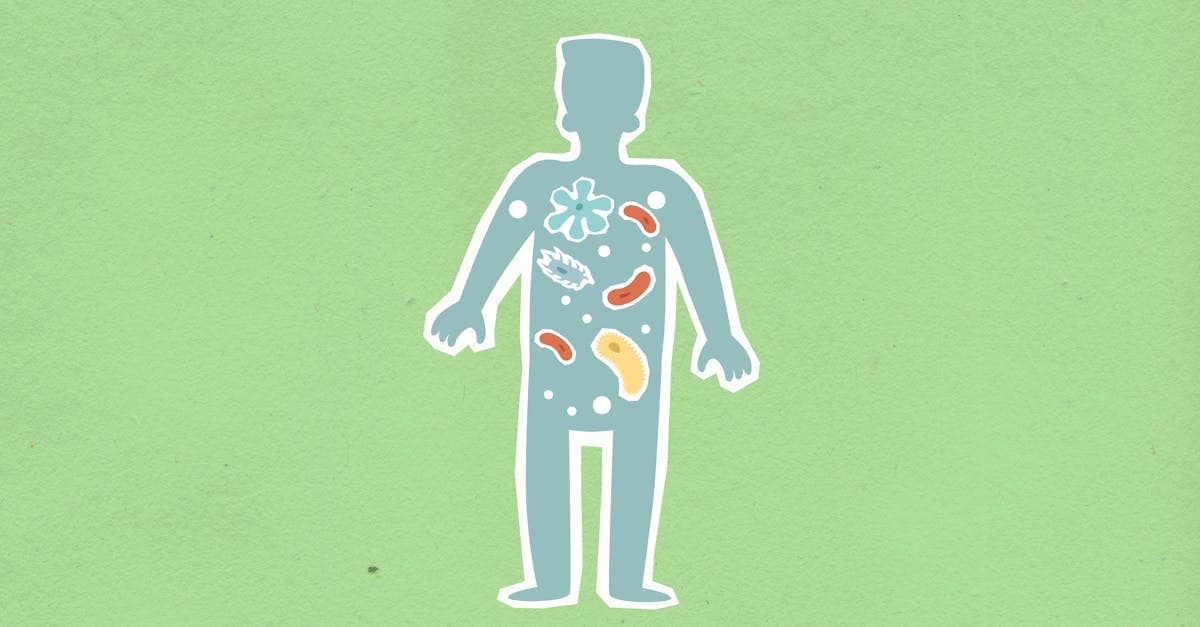
Inside your gut lives an entire ecosystem: trillions of bacteria, viruses, and fungi that collectively form your microbiome. For a long time, the gut was viewed as nothing more than a digestive tube. But two decades of research have rewritten the story entirely. Your gut microbiome influences not just digestion but also your immune system, your mood, your weight, and your risk for chronic disease. It is, without exaggeration, one of the most important ecosystems in your body.
What Is the Gut Microbiome?
Your gut microbiome consists of roughly 39 trillion microorganisms — more than the number of human cells in your body. Most of these are bacteria, but viruses, fungi, and archaea are also part of the mix. Together, they weigh about 3 to 4 pounds — roughly the same as your brain.
Every microbiome is as unique as a fingerprint. Its composition is shaped by birth method, breastfeeding, diet, medications, stress, sleep, and environment. Your microbiome begins forming at birth and continues to evolve throughout your life.
The diversity of your microbiome — how many different bacterial species live in your gut — is considered one of the most important indicators of gut health. The more diverse your microbial community, the more resilient and capable it tends to be.
Far Beyond Digestion: What Your Microbiome Actually Does
The functions of your gut microbiome extend well beyond breaking down food:
Immune system: About 70 percent of your immune system resides in your gut. Your gut bacteria train your immune cells to distinguish between harmless substances and genuine threats. A healthy microbiome protects against infections and keeps inflammatory responses in check.
Mental health: Through the gut-brain axis, your gut communicates directly with your brain via the vagus nerve. Gut bacteria produce neurotransmitters including serotonin, dopamine, and GABA — chemicals that regulate mood, sleep, and stress response. Research links a disrupted microbiome with depression and anxiety disorders.
Metabolism and weight: Your microbiome influences how efficiently you absorb nutrients and process calories. Certain bacterial strains are associated with higher obesity risk, while others support weight management. Gut bacteria also affect hunger and satiety hormones like ghrelin and leptin.
Nutrient production: Gut bacteria produce essential nutrients including short-chain fatty acids, vitamin K, and several B vitamins. These substances nourish the gut lining, reduce inflammation, and support cardiovascular health.
Barrier function: A healthy microbiome strengthens the intestinal barrier — the lining that prevents harmful substances from leaking from the gut into the bloodstream. When this barrier weakens, often called "leaky gut," chronic inflammation can follow.
What Harms Your Microbiome
Several common factors can significantly damage the diversity and health of your microbial community:
A monotonous diet: A diet low in fiber and high in sugar and processed foods causes microbial diversity to shrink. When certain bacteria do not receive the fiber they need to survive, they die off.
Antibiotics: Antibiotics are sometimes lifesaving, but they do not distinguish between harmful and helpful bacteria. A single course of antibiotics can alter your microbiome for months. After antibiotic treatment, actively supporting microbiome recovery is especially important.
Chronic stress: Stress changes gut motility, blood flow to the intestines, and microbial composition. Prolonged stress can weaken the gut barrier and promote inflammation.
Poor sleep: Your microbiome follows its own circadian rhythm. Irregular sleep or chronic sleep deprivation can disrupt this rhythm and negatively affect microbial composition.
Excessive alcohol consumption: Alcohol can damage the gut lining and promote the growth of harmful bacteria while suppressing beneficial strains.
How to Strengthen Your Gut Microbiome
The encouraging news is that your microbiome responds quickly to change. Within just a few days, dietary shifts can begin to alter your microbial composition:
Eat a wide variety of plants: The more diverse your plant intake, the more diverse your microbiome becomes. Aim for 30 different plant foods per week. This sounds like a lot, but it includes herbs, spices, nuts, seeds, and grains — not just fruits and vegetables.
Prioritize fiber: Fiber is the primary food source for your beneficial gut bacteria. Prebiotic fibers found in garlic, onions, leeks, asparagus, bananas, and oats are especially effective at promoting the growth of helpful bacteria.
Incorporate fermented foods: Yogurt, kefir, sauerkraut, kimchi, miso, and kombucha contain live bacterial cultures that can enrich your microbiome. A Stanford study found that regular consumption of fermented foods significantly increased microbial diversity.
Reduce ultra-processed foods: Ready meals often contain emulsifiers, preservatives, and artificial sweeteners that can negatively impact gut bacteria.
Move regularly: Physical activity promotes microbial diversity independently of diet. Even moderate exercise like daily walking can have a positive effect.
Manage stress: Since chronic stress directly harms the microbiome, stress management practices like meditation, deep breathing, or time in nature offer indirect gut health benefits.
Connecting Diet, Gut Health, and How You Feel
A gut-friendly diet is not a short-term fix — it is a long-term investment in your health across multiple dimensions. And like any long-term investment, it helps to track your progress.
getNudge makes it easy to document your eating habits and observe how they affect your well-being over time. Are you getting enough fiber? How varied is your diet? How does what you eat influence your sleep and energy levels?
Download getNudge and align your nutrition with your health goals — with smart insights that help you nourish your gut and your entire body from the inside out.
Track your health with getNudge
getNudge helps you understand the connections between nutrition, sleep, and well-being – with personalized nudges based on your real data.