Understanding HRV: What Heart Rate Variability Tells You About Your Health
Auf Deutsch lesen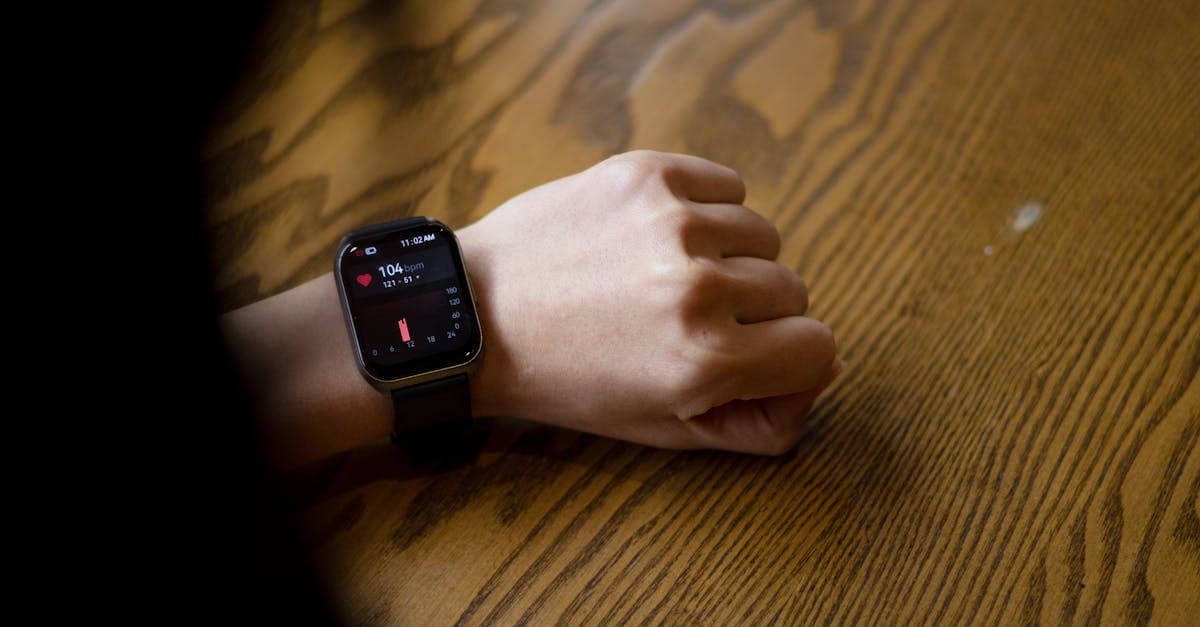
Heart rate variability -- HRV -- has become one of the most talked-about health metrics in the wearable era. But beyond the numbers on your watch, what does HRV actually mean? Why does it fluctuate day to day? And what can you do to improve it? This article breaks down everything you need to know about HRV in plain language.
What Is Heart Rate Variability?
Your heart does not beat like a metronome. Even if your heart rate reads 60 beats per minute, the time between individual beats is not exactly one second each. It naturally varies -- one interval might be 0.95 seconds, the next 1.05 seconds. This natural variation in the time intervals between consecutive heartbeats is your heart rate variability.
Here is the counterintuitive part: higher variability is better. You might think a healthy heart should beat like a perfectly regular clock, but the opposite is true. A high HRV indicates that your autonomic nervous system is flexible and adaptive -- capable of quickly shifting between states of activation and relaxation.
HRV is measured in milliseconds, and there are several calculation methods. The most common for consumer wearables is RMSSD (Root Mean Square of Successive Differences), which essentially quantifies how much the intervals between consecutive heartbeats fluctuate.
Why HRV Is Such a Powerful Health Indicator
Your HRV reflects the balance of your autonomic nervous system, which has two main branches:
- Sympathetic nervous system: Your "accelerator" -- activated during stress, exercise, excitement
- Parasympathetic nervous system: Your "brake" -- active during rest, recovery, digestion
When HRV is high, the parasympathetic branch is dominant -- your body is in recovery mode and ready for new challenges. When HRV is low, the sympathetic branch is dominant -- your body is stressed or still recovering from previous demands.
What HRV can reveal:
- Recovery status: Are you rested or overtrained?
- Stress load: How much physiological stress is your lifestyle imposing?
- Early illness detection: A sudden HRV drop can be an early warning sign of infection
- Training readiness: Is your body prepared for an intense workout, or does it need rest?
- Long-term health: Over time, higher HRV correlates with better cardiovascular health and longevity
What HRV Numbers Are Normal?
HRV is highly individual. There is no single number that is universally good or bad. Typical RMSSD values for adults range from 20 to 100+ milliseconds, depending on:
- Age: HRV naturally decreases with age
- Fitness level: Fitter individuals tend to have higher HRV
- Sex: There are slight differences between males and females
- Genetics: Some people simply have a higher or lower baseline HRV
Rough reference ranges by age (RMSSD, resting measurement):
- Ages 20--29: 40--100+ ms
- Ages 30--39: 35--80 ms
- Ages 40--49: 25--65 ms
- Ages 50--59: 20--55 ms
- Ages 60+: 15--40 ms
The key insight: Do not compare your HRV to other people. The real value lies in tracking your own trend over time. An HRV of 35 ms could be excellent for one person and below average for another. What matters is whether your personal baseline is trending upward, staying stable, or declining.
How to Measure HRV Accurately
The quality of your HRV data depends heavily on when and how you measure:
When to measure:
- First thing in the morning -- ideally still lying down. This is the most consistent time because external influences are minimal.
- Overnight -- many wearables measure HRV during sleep and calculate an average, which tends to be very reliable.
What to measure with:
- Chest straps (Polar H10, Garmin HRM-Pro): Gold standard for accuracy
- Smartwatches (Apple Watch, Garmin, Samsung): Good approximations, especially with overnight measurements
- Ring trackers (Oura Ring): Excellent for nighttime HRV tracking
- Finger clip sensors: Good for spot measurements
Tips for consistent measurements:
- Always measure at the same time and in the same position
- Wait at least 1 minute after waking before measuring
- Stay still during the measurement
- Use a measurement duration of at least 1--2 minutes for reliable readings
How to Improve Your HRV
The good news is that HRV is responsive to lifestyle changes. Here are the most effective strategies:
1. Prioritize Sleep Quality
Sleep is the single most important factor influencing your HRV. Poor sleep pushes HRV down immediately. Focus on:
- 7--9 hours of sleep per night
- Consistent bed and wake times
- A dark, cool bedroom (60--65°F / 16--18°C)
2. Regular Moderate Exercise
Endurance activities like running, cycling, or swimming improve HRV over time. But overtraining has the opposite effect -- it suppresses HRV. Listen to your body and schedule rest days.
3. Stress Management
Chronic stress is one of the strongest HRV suppressors. Effective countermeasures include:
- Meditation (even 10 minutes daily shows measurable results)
- Breathing exercises (especially slow, deep diaphragmatic breathing)
- Time spent in nature
- Social connection and laughter
4. Nutrition
Certain dietary patterns influence HRV:
- A balanced, anti-inflammatory diet (plenty of vegetables, fruits, omega-3 fatty acids)
- Reducing alcohol -- even 1--2 glasses of wine can measurably lower your overnight HRV
- Avoiding heavy or late meals before bed
5. Cold Exposure
Cold showers or ice baths stimulate the vagus nerve -- the main nerve of the parasympathetic system. Even a brief cold shower in the morning (30--60 seconds is enough) can positively affect your HRV. Start with lukewarm water and gradually work your way colder.
6. Breathwork
Slow, rhythmic breathing at approximately 6 breaths per minute (5 seconds in, 5 seconds out) directly stimulates the parasympathetic nervous system. Just 5 minutes per day can produce a measurable difference in your HRV readings.
Putting HRV Data to Work in Your Daily Life
HRV data is most valuable when you observe it over time and connect it to your habits and behaviors:
- Training decisions: Is your HRV below your 7-day average today? Consider a lighter workout or rest day instead of pushing through a high-intensity session.
- Stress awareness: If your HRV drops over several days despite no increase in training volume, stress or an oncoming illness might be the cause.
- Habit evaluation: How does your HRV change when you cut out alcohol? When you meditate consistently? When you exercise regularly?
- Long-term trends: An upward HRV trend over weeks and months confirms that your lifestyle changes are working.
The key is not to overreact to any single day's reading, but to identify patterns and trends. That requires consistent measurement and a comprehensive view of your health data.
With getNudge, you can track your HRV alongside your nutrition, exercise, and daily habits -- all in one place. The app helps you spot connections and make data-driven decisions for your health. Download getNudge today and discover what your HRV reveals about your lifestyle.
Track your health with getNudge
getNudge helps you understand the connections between nutrition, sleep, and well-being – with personalized nudges based on your real data.