Understanding Biomarkers: What Your Blood Values Tell You
Auf Deutsch lesen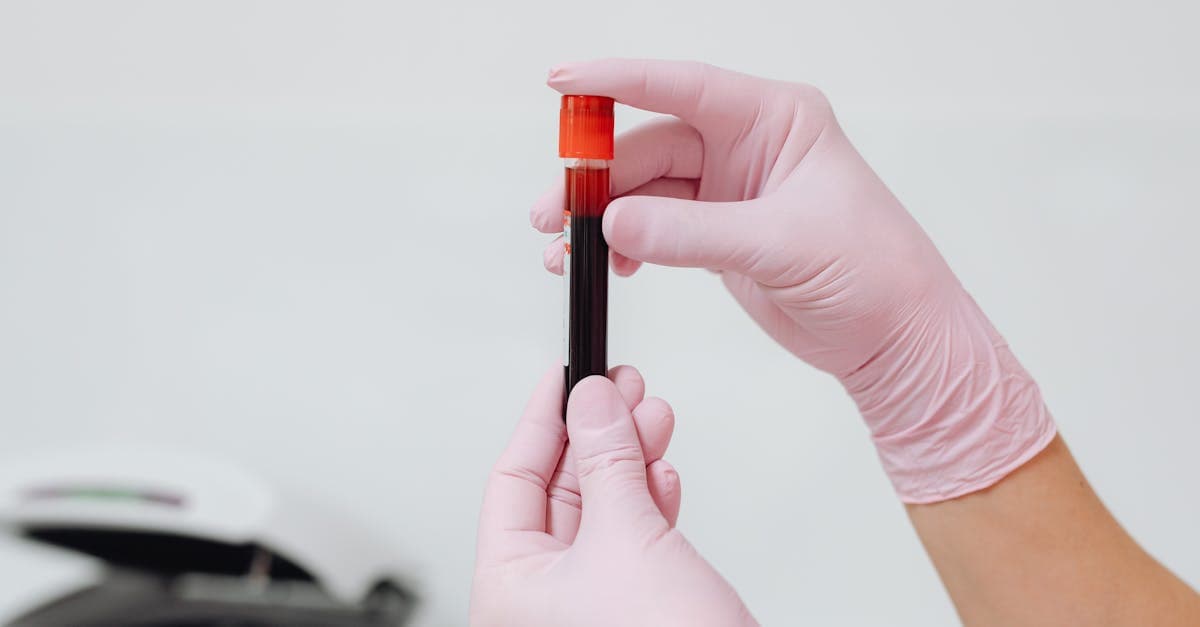
A blood test is like looking under the hood of your body. You might feel perfectly fine, but your blood values can reveal early warning signs that would otherwise go unnoticed. Yet for most people, lab reports are baffling — filled with abbreviations, reference ranges, and medical jargon. This guide breaks down the most important biomarkers in plain language and shows you how to use them to take charge of your health.
What Are Biomarkers and Why Do They Matter?
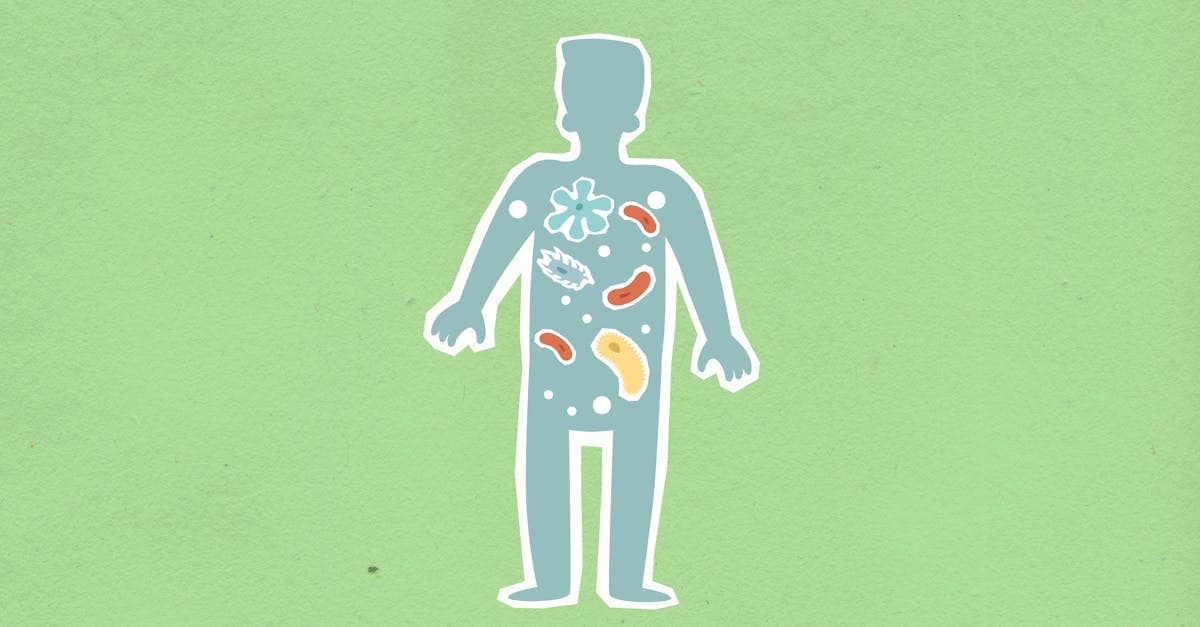
Biomarkers are measurable values in your body that provide information about your health status. The most common are measured from a blood sample, but blood pressure, heart rate, body composition, and even sleep metrics are biomarkers too.
The greatest advantage of biomarkers is that they reveal changes before symptoms appear. Many conditions — from diabetes to thyroid disorders to cardiovascular disease — develop over years without any noticeable signs. Regular blood work can catch these developments early, when interventions are still simple and effective.
Biomarkers are also invaluable for measuring whether your health efforts are working. Changed your diet? A blood panel three months later shows you objectively whether your cholesterol has improved. Started exercising regularly? Inflammation markers and insulin sensitivity provide concrete feedback.
One important caveat: individual values rarely tell the whole story. It's the combination of multiple biomarkers, viewed alongside your personal history and lifestyle, that paints a meaningful picture. This is why blood values should always be interpreted by a healthcare professional.
Blood Lipids: Your Heart Health Dashboard
Your lipid profile reveals your risk for cardiovascular disease — the leading cause of death worldwide.
Total cholesterol: A broad overview of all cholesterol fractions. Ideally under 200 mg/dL, but the total number is less meaningful than the ratio of its components.
LDL cholesterol ("the bad one"): Carries cholesterol into artery walls and promotes plaque buildup. Optimal under 100 mg/dL, even lower for high-risk individuals. LDL is the single most important risk marker for heart attack and stroke.
HDL cholesterol ("the good one"): Carries cholesterol away from arteries back to the liver. Protective effect. Optimal above 60 mg/dL for men, above 70 mg/dL for women. Regular exercise is one of the most effective ways to raise HDL.
Triglycerides: Fatty acids in the blood that serve as energy storage. Elevated by excess sugar, alcohol, and processed carbohydrates. Optimal under 150 mg/dL. High levels increase the risk of heart disease and pancreatitis.
ApoB: A newer marker that more accurately measures the number of atherosclerotic particles in your blood than LDL alone. Many experts consider ApoB the single most informative cardiovascular risk marker. Optimal under 90 mg/dL.
Blood Sugar and Metabolic Markers
These values show how well your body processes sugar — and whether diabetes is developing.
Fasting blood glucose: Measured in the morning before eating. Normal under 100 mg/dL, prediabetes 100–125 mg/dL, diabetes at 126 mg/dL or above. Elevated fasting glucose is one of the earliest warning signs.
HbA1c (long-term blood sugar): Reflects your average blood sugar over the past 2–3 months. Normal under 5.7%, prediabetes 5.7–6.4%, diabetes at 6.5% or above. HbA1c is the most reliable marker for long-term blood sugar control.
Fasting insulin: Measured less often but highly informative. Elevated insulin with normal blood sugar suggests early insulin resistance — a state where your body needs increasing amounts of insulin to keep blood sugar in range.
HOMA-IR: Calculated from fasting glucose and fasting insulin. A value above 2.5 suggests insulin resistance. Diet changes and exercise can effectively lower HOMA-IR.
Inflammation and Thyroid Markers
CRP (C-reactive protein): An inflammation marker that spikes during infections. High-sensitivity CRP (hsCRP) also detects low-grade chronic inflammation and serves as a cardiovascular risk marker. Optimal under 1 mg/L.
TSH (thyroid-stimulating hormone): The most important thyroid marker. Elevated levels suggest underactive thyroid (fatigue, weight gain, cold sensitivity), while low levels suggest overactive thyroid (restlessness, weight loss, rapid heartbeat). Optimal between 0.5 and 2.5 mIU/L.
Ferritin: Stored iron. Low levels are the most common cause of unexplained fatigue, especially in women. Optimal between 40 and 200 ng/mL. Caution: ferritin also rises during inflammation, which can produce misleadingly elevated readings.
Vitamin D (25-OH): A large portion of the population has insufficient vitamin D levels, especially in northern latitudes and during winter months. Optimal above 40 ng/mL. Vitamin D is crucial for bone health, immune function, mood, and muscle strength.
How to Make Biomarkers Work for You
Get tested regularly: A comprehensive blood panel once a year is sensible prevention. If you're actively optimizing your nutrition or training, testing every 3–6 months provides more actionable data.
Watch the trends: A single measurement tells you little. The real insight comes from tracking your values over time. Is your LDL climbing despite a clean diet? Has your HbA1c improved since you changed your eating habits? Trends are far more informative than snapshots.
Question reference ranges: The "normal" ranges on lab reports are based on population averages — not on optimal values for health. A fasting glucose of 99 mg/dL is technically "normal" according to the lab, but it's far from ideal.
Discuss with your doctor: Blood values belong in professional hands. Have your results explained by your physician and collaboratively decide which actions make sense.
Lifestyle as the first intervention: Most biomarkers respond to changes in diet, exercise, sleep, and stress management — often as effectively as medication, but without side effects.
Take charge of your health with getNudge. The app helps you track the daily habits that directly influence your biomarkers: nutrition, movement, sleep, and stress levels. With personalized insights, you'll see which changes have the greatest impact on your health. Download getNudge today and turn your health data into better decisions.
Track your health with getNudge
getNudge helps you understand the connections between nutrition, sleep, and well-being – with personalized nudges based on your real data.