How to Reduce Inflammation Naturally Through Diet and Lifestyle
Auf Deutsch lesen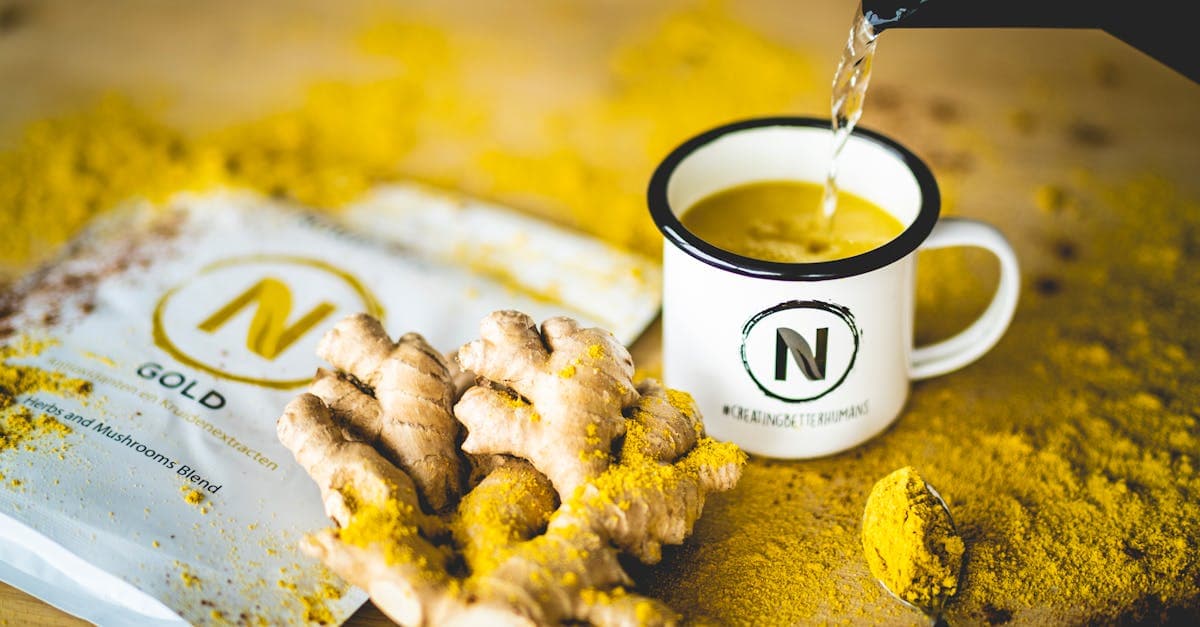
Inflammation is your body's natural defense mechanism — it's how you heal from injuries and fight off infections. But when inflammation becomes chronic, quietly simmering in the background for months or years, it becomes a driver of serious health problems. Heart disease, type 2 diabetes, autoimmune conditions, and even depression have all been linked to chronic low-grade inflammation. The encouraging news is that your daily choices around food, movement, and rest can make a meaningful difference.
Acute vs. Chronic Inflammation: Understanding the Difference
When you cut your finger or catch a cold, your immune system launches an acute inflammatory response. Blood rushes to the area, white blood cells get to work, and within days, the issue resolves. This process is essential and healthy.
Chronic inflammation is a different story entirely. It occurs when your immune system stays activated at a low level even when there's no immediate threat. This "silent inflammation" often produces no obvious symptoms, yet it steadily damages tissues and organs over time.
Subtle signs of chronic inflammation may include persistent fatigue, joint stiffness, frequent infections, skin issues, digestive problems, and difficulty concentrating. Because these symptoms are nonspecific, many people live with chronic inflammation without realizing it.
Common triggers include a diet heavy in processed foods and sugar, sedentary behavior, chronic stress, inadequate sleep, excess body fat (especially visceral fat), and excessive alcohol or tobacco use.
Anti-Inflammatory Foods: What to Eat More Of
Diet is arguably the most powerful tool for managing inflammation. Certain foods contain compounds that actively suppress inflammatory pathways, while others fuel the fire.
Foods that fight inflammation:
- Fatty fish (salmon, mackerel, sardines): Rich in omega-3 fatty acids (EPA and DHA), among the most potent natural anti-inflammatory compounds. Aim for two to three servings per week.
- Berries (blueberries, raspberries, strawberries): Packed with anthocyanins — powerful antioxidants that lower inflammatory markers.
- Leafy greens (spinach, kale, Swiss chard): Loaded with vitamins, minerals, and phytonutrients with anti-inflammatory properties.
- Extra virgin olive oil: Contains oleocanthal, a compound that works similarly to ibuprofen in reducing inflammation.
- Nuts (especially walnuts): Walnuts provide plant-based omega-3s (ALA) along with polyphenols.
- Turmeric: Its active compound curcumin is one of the most studied natural anti-inflammatories. Always pair it with black pepper to dramatically improve absorption.
- Ginger: Contains gingerols with demonstrated anti-inflammatory effects.
- Dark chocolate (70%+ cacao): The flavonoids in cacao have anti-inflammatory properties — enjoyed in moderation.
Foods to reduce or avoid:
- Ultra-processed foods containing trans fats and refined sugars
- White flour products and sugary beverages
- Excessive red and processed meat
- Deep-fried foods and large amounts of industrial seed oils
The Omega-3 to Omega-6 Balance
Both omega-3 and omega-6 fatty acids are essential — your body needs them. The problem lies in the ratio. The typical Western diet delivers a ratio of roughly 15:1 to 20:1 (omega-6 to omega-3), while research suggests a healthier ratio would be closer to 2:1 to 4:1.
Omega-6 fatty acids aren't inherently bad, but in excess they promote pro-inflammatory signaling pathways. They're abundant in sunflower oil, soybean oil, many processed foods, and conventionally raised animal products.
How to improve your ratio:
- Replace sunflower and vegetable oils with olive oil or avocado oil for cooking
- Eat fatty fish two to three times per week
- Add flaxseeds, chia seeds, and walnuts to your daily diet
- Cut back on packaged snacks and fast food
- Consider a quality omega-3 supplement if you rarely eat fish
Lifestyle Factors That Drive (or Reduce) Inflammation
Diet is foundational, but it's not the whole picture. Your broader lifestyle choices play an equally important role.
Exercise: Regular moderate exercise has a well-documented anti-inflammatory effect. Working muscles release myokines — signaling molecules that actively reduce inflammation. Even 30 minutes of brisk walking daily makes a measurable difference. However, excessive training without adequate recovery can temporarily increase inflammation — balance is key.
Sleep: Chronic sleep deprivation significantly increases blood levels of inflammatory markers like C-reactive protein (CRP) and interleukin-6 (IL-6). Seven to eight hours of quality sleep is one of the most effective anti-inflammatory interventions available.
Stress: Chronic stress keeps cortisol levels elevated. While cortisol is anti-inflammatory in the short term, prolonged elevation causes cells to become cortisol-resistant, paradoxically increasing inflammation. Stress management through meditation, breathing exercises, time in nature, or social connection is directly anti-inflammatory.
Body composition: Excess body fat — particularly visceral fat around your organs — is metabolically active and continuously produces pro-inflammatory cytokines. Even modest fat loss can significantly lower inflammatory markers.
Gut health: A disrupted microbiome can weaken the intestinal barrier, allowing pro-inflammatory substances to enter the bloodstream — a condition often called "leaky gut." A fiber-rich diet and regular consumption of fermented foods support a healthy gut environment.
Your Personal Anti-Inflammation Plan
Rather than overhauling everything at once, a gradual approach is more sustainable and effective:
Start this week:
- Replace one sugary drink per day with water or herbal tea
- Add a serving of vegetables or fruit to every meal
- Cook with turmeric, ginger, and garlic regularly
Within two weeks:
- Incorporate two to three fish meals per week
- Switch to extra virgin olive oil as your primary cooking fat
- Add a handful of walnuts or almonds as a daily snack
Over the long term:
- Build a consistent exercise routine
- Prioritize sleep quality and consistency
- Gradually reduce processed foods
Tracking your food alongside how you feel can reveal patterns you'd never notice otherwise. When you can see the connection between what you eat today and how you feel tomorrow, making better choices becomes intuitive rather than forced.
getNudge helps you track your nutrition and lifestyle habits — and shows you how changes affect your well-being over time. With AI-powered tracking, the app makes it easy to build anti-inflammatory habits that stick. Download getNudge today and start your journey toward less inflammation and more energy.
Track your health with getNudge
getNudge helps you understand the connections between nutrition, sleep, and well-being – with personalized nudges based on your real data.