How to Lower Cholesterol Through Diet: What Really Works
Auf Deutsch lesen
Elevated cholesterol is one of the most common risk factors for cardiovascular disease – and many people don't discover it until a routine blood test. The encouraging news: targeted dietary changes can often lower cholesterol significantly, sometimes even without medication. Here's what cholesterol actually is, how diet affects it, and which foods genuinely make a difference.
Understanding Cholesterol: It's Not All Bad
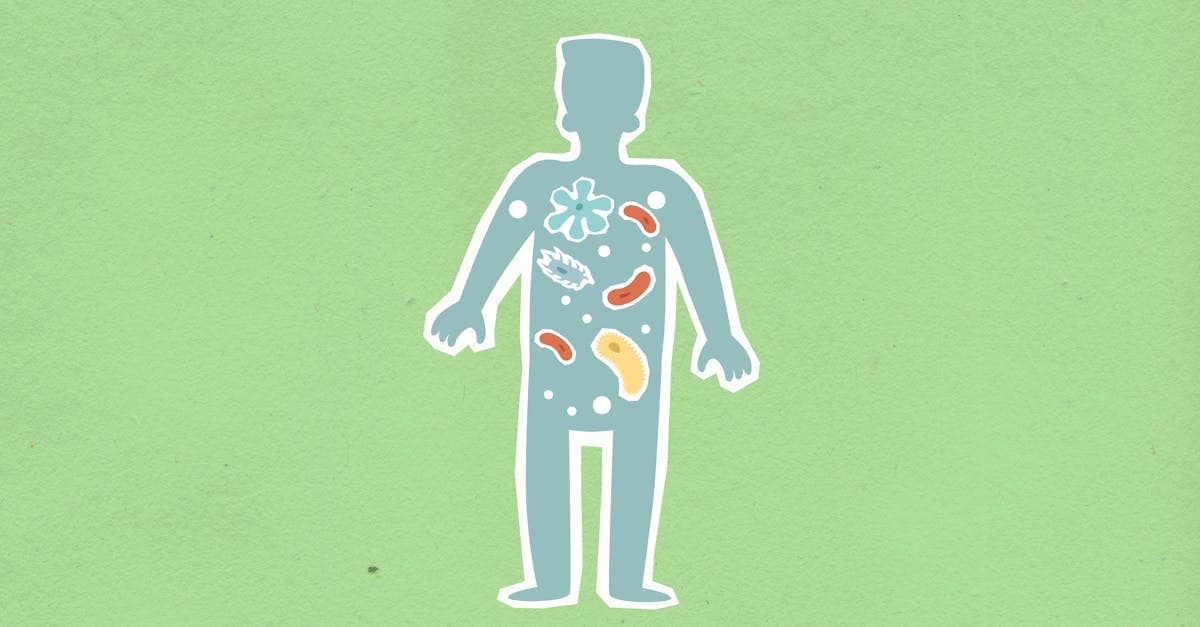
Cholesterol has a bad reputation, but your body needs it – for cell membranes, hormone production, and vitamin D synthesis. The problem isn't cholesterol itself, but an imbalance between its different types.
LDL cholesterol ("bad" cholesterol): Deposits in artery walls, leading over time to atherosclerosis – the narrowing and hardening of blood vessels.
HDL cholesterol ("good" cholesterol): Transports excess cholesterol back to the liver for breakdown. Think of HDL as the cleanup crew.
Triglycerides: Another type of blood fat. High triglyceride levels also increase cardiovascular risk.
When your doctor says your cholesterol is too high, they typically mean: your LDL is elevated, your HDL may be too low, and the ratio is off. This is precisely where diet can help.
Foods That Lower Cholesterol
Oats and soluble fiber
Oats contain beta-glucan, a soluble fiber that binds LDL cholesterol in the gut and helps excrete it. Just 3g of beta-glucan daily – roughly equivalent to a bowl of oatmeal – can reduce LDL cholesterol by 5-10%.
Other excellent sources of soluble fiber:
- Legumes (beans, lentils, chickpeas)
- Apples and pears
- Barley
- Psyllium husk
Fatty fish and omega-3 fatty acids
Salmon, mackerel, herring, and sardines are rich in omega-3 fatty acids, which lower triglycerides and reduce inflammation. Two to three servings of fatty fish per week is ideal.
If you don't eat fish, walnuts, flaxseeds, and chia seeds offer a plant-based alternative, though the effect is somewhat smaller.
Nuts
A daily handful of nuts can lower LDL cholesterol by 5-15%. Especially effective:
- Walnuts: Rich in omega-3 fatty acids
- Almonds: High in monounsaturated fats
- Pistachios: Proven to reduce both LDL and triglycerides
Choose unsalted, unroasted varieties and keep portions to about a handful (1 ounce/30g), since nuts are calorie-dense.
Olive oil
Extra virgin olive oil is an excellent source of monounsaturated fats, which lower LDL without affecting HDL. Two to three tablespoons per day – in salads or for cooking – can make a measurable difference.
Plant sterols and stanols
These natural compounds occur in small amounts in fruits, vegetables, and nuts. In fortified foods (certain margarines, yogurts), 2g per day can lower LDL cholesterol by up to 10%.
Legumes
Beans, lentils, and chickpeas aren't just rich in soluble fiber – they're also packed with protein that can partially replace animal products. Studies show that daily legume consumption lowers LDL cholesterol by an average of 5%.
What to Limit or Avoid
Trans fats: the biggest culprit
Trans fats raise LDL cholesterol while simultaneously lowering HDL – the worst possible combination. They form during industrial hydrogenation of vegetable oils and are found in:
- Commercial baked goods and cookies
- Fried foods
- Some margarines and spreads
- Packaged snacks and chips
Check ingredient lists: "partially hydrogenated oil" means trans fats.
Saturated fats: reduce, don't eliminate
Saturated fats raise LDL cholesterol when consumed in excess. Main sources:
- Fatty meat and processed meats
- Butter and cream
- Full-fat cheese
- Coconut oil (yes, despite its health halo)
You don't need to eliminate butter or cheese entirely. But reducing the amount and reaching for plant-based fats more often pays off.
Sugar and refined carbohydrates
Surprising to many: sugar and white flour products can raise triglycerides and lower HDL cholesterol. Soft drinks, candy, and heavily processed grain products are not friends of your cholesterol numbers.
A Sample Heart-Healthy Day
Here's what a cholesterol-friendly day might look like:
Breakfast: Oatmeal with walnuts, flaxseed, and fresh berries Lunch: Large salad with chickpeas, mixed vegetables, and olive oil dressing Snack: A handful of almonds and an apple Dinner: Grilled salmon with roasted vegetables and brown rice
Not exactly deprivation, is it? A cholesterol-friendly diet doesn't have to be boring or restrictive.
Other Lifestyle Factors That Count
Diet is the most controllable factor, but not the only one:
- Exercise: 30 minutes of moderate activity on most days raises HDL cholesterol
- Weight management: Even 5-10% weight loss in overweight individuals can improve cholesterol levels
- Quit smoking: Smoking lowers HDL and damages blood vessels
- Moderate alcohol: More than moderate amounts raise triglycerides
Track Your Diet, Improve Your Numbers
Dietary changes don't work overnight. It takes weeks to months to see measurable improvements. That makes consistency crucial – and this is exactly where food tracking helps.
With getNudge, you can log what you eat while seeing how your dietary habits connect to your overall wellbeing. When you can see that you ate fish three times this week and had oatmeal every morning, it motivates you to keep going.
Download getNudge and make your nutrition visible. Discover which habits genuinely support your health – with personalized insights instead of guesswork.
Track your health with getNudge
getNudge helps you understand the connections between nutrition, sleep, and well-being – with personalized nudges based on your real data.