How to Lower Blood Pressure Naturally Through Diet and Exercise
Auf Deutsch lesen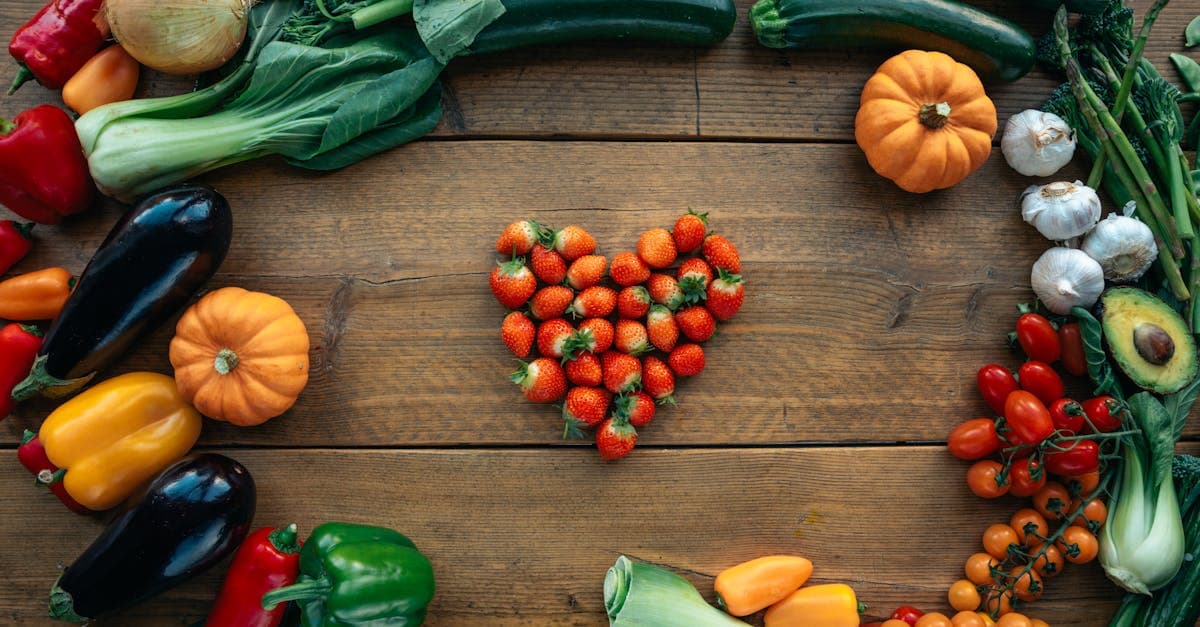
High blood pressure (hypertension) is often called the "silent killer" -- it produces no noticeable symptoms for years while dramatically increasing the risk of heart attack, stroke, and kidney disease. Nearly half of American adults have high blood pressure. The encouraging news is that in many cases, lifestyle changes can meaningfully lower blood pressure -- sometimes even without medication. This article covers the strategies that science supports most strongly.
Note: This article is not a substitute for medical advice. If you have or suspect high blood pressure, consult your doctor about appropriate treatment.
Understanding Blood Pressure Numbers
Blood pressure is expressed as two values:
- Systolic (top number): Pressure when the heart contracts and pushes blood out
- Diastolic (bottom number): Pressure when the heart relaxes between beats
Blood pressure categories:
| Category | Systolic (mmHg) | Diastolic (mmHg) | |---|---|---| | Normal | below 120 | below 80 | | Elevated | 120--129 | below 80 | | Hypertension Stage 1 | 130--139 | 80--89 | | Hypertension Stage 2 | 140+ | 90+ | | Hypertensive Crisis | 180+ | 120+ |
Even in the "elevated" range, it is worth taking action. The earlier you intervene, the easier it is to make a difference.
Nutrition: The Most Powerful Lever
Diet has the strongest influence on blood pressure. Here are the most impactful changes:
1. Reduce sodium intake
Sodium is the most well-known blood pressure driver. The American Heart Association recommends no more than 2,300 mg per day (ideally 1,500 mg) -- the average American consumes over 3,400 mg.
- Cook fresh instead of relying on processed foods (about 70% of sodium comes from packaged and restaurant foods)
- Season with herbs and spices instead of salt
- Read nutrition labels -- many foods that do not taste salty contain surprising amounts of sodium
- Bread, cheese, and deli meats are hidden sodium sources
Reducing sodium intake from high to recommended levels can lower systolic blood pressure by 5--10 mmHg.
2. Increase potassium intake
Potassium counterbalances sodium. It helps your kidneys excrete excess sodium and relaxes blood vessel walls.
Potassium-rich foods:
- Bananas, avocados, sweet potatoes
- Spinach, Swiss chard, tomatoes
- Legumes (beans, lentils)
- Salmon and tuna
- Yogurt and milk
3. Follow the DASH diet
The DASH diet (Dietary Approaches to Stop Hypertension) is the most thoroughly researched eating pattern for blood pressure reduction. It emphasizes:
- Plenty of vegetables, fruits, and whole grains
- Low-fat dairy products
- Lean meats, fish, and poultry
- Nuts and legumes
- Limited saturated fats, added sugars, and sodium
Studies show the DASH diet can lower systolic blood pressure by 8--14 mmHg -- comparable to some medications.
4. Moderate alcohol consumption
Regular alcohol intake raises blood pressure. Limiting yourself to a maximum of 1 drink per day for women and 2 for men can lower blood pressure by 2--4 mmHg.
Exercise: More Effective Than You Think
Regular physical activity is one of the most powerful non-pharmacological interventions for high blood pressure.
How exercise lowers blood pressure:
- Strengthens the heart so it pumps blood with less effort
- Improves blood vessel elasticity
- Reduces peripheral vascular resistance
- Lowers stress hormones
Recommended activities:
- Cardiovascular exercise: 150 minutes of moderate activity per week (reduction of 5--8 mmHg)
- Brisk walking, cycling, swimming, jogging
- Strength training: 2--3 sessions per week as a complement
- Isometric training: Static holding exercises (e.g., wall sits) show particularly strong blood pressure-lowering effects in recent studies
- Yoga and Tai Chi: Combine movement, breathwork, and stress reduction
Important: Start slowly if you have been inactive. If your blood pressure is very high (above 180/110), consult your doctor before beginning an exercise program.
Weight Management
Excess weight is one of the strongest risk factors for high blood pressure. Even moderate weight loss can significantly lower your numbers:
- For every kilogram (2.2 lbs) of weight lost, systolic blood pressure drops by approximately 1 mmHg
- A 5--10% weight loss may be enough to bring blood pressure into normal range
- Abdominal obesity (visceral fat) is particularly problematic
The goal is not crash dieting but sustainable changes: more vegetables, fewer processed foods, regular exercise, adequate sleep.
Stress Management and Relaxation
Chronic stress keeps your blood pressure persistently elevated. Effective countermeasures include:
- Meditation: 10--15 minutes of daily meditation can lower systolic blood pressure by 4--5 mmHg
- Deep diaphragmatic breathing: Slow, deliberate breaths activate the parasympathetic nervous system and acutely lower blood pressure
- Progressive muscle relaxation: When practiced regularly, shows measurable effects
- Nature exposure: 20 minutes in green spaces measurably reduces cortisol and blood pressure
- Social connection: Loneliness is an independent risk factor for hypertension
Additional Lifestyle Factors
Sleep: Chronic sleep deprivation raises blood pressure. Sleep apnea (breathing interruptions during sleep) is a common and underdiagnosed contributor to hypertension. Seven to 9 hours of quality sleep per night supports healthy blood pressure.
Smoking: Each cigarette temporarily raises blood pressure by 5--10 mmHg. Chronic smoking damages blood vessels and accelerates atherosclerosis. Quitting is one of the most important steps for cardiovascular health.
Caffeine: Caffeine can acutely raise blood pressure by 5--10 mmHg. Most regular coffee drinkers develop tolerance. If you are sensitive to caffeine, reduce your intake and monitor the effects.
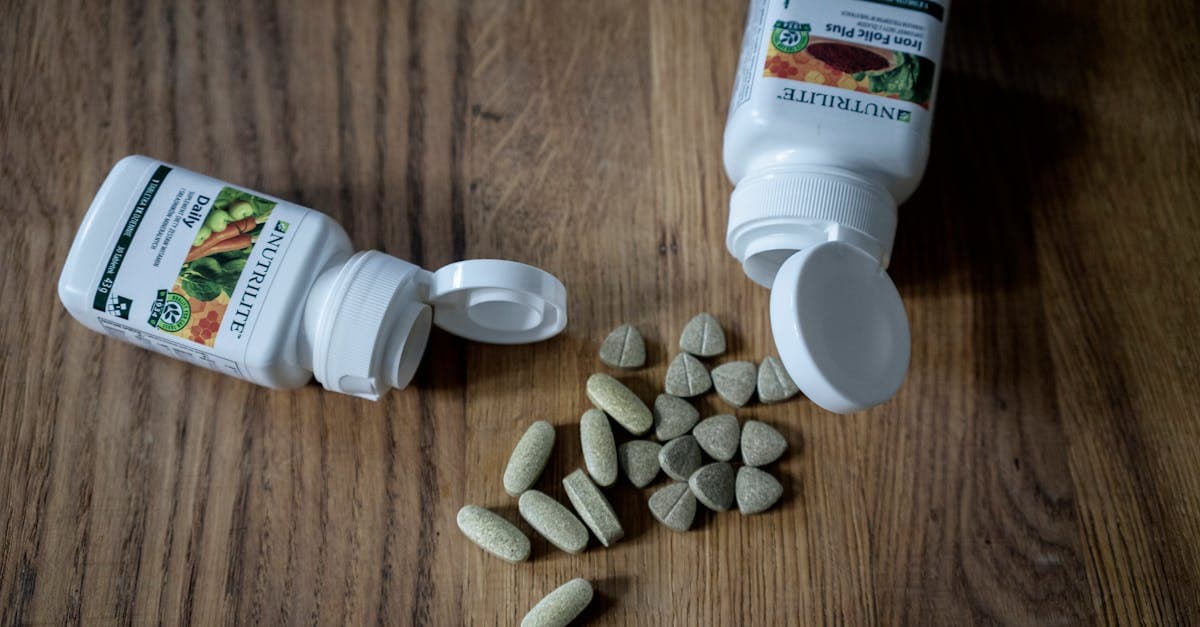
Select supplements: Some supplements have shown modest blood pressure-lowering effects in studies:
- Magnesium (300--500 mg/day)
- Omega-3 fatty acids (fish oil)
- Garlic extract
- CoQ10
Consult your doctor before starting supplements, especially if you already take medication.
A Realistic Action Plan
Here is a phased approach to lowering your blood pressure naturally:
Weeks 1--2: Foundations
- Consciously reduce sodium intake
- Begin a daily walk (30 min)
- Establish consistent sleep times
Weeks 3--4: Deepening
- Adopt DASH diet principles
- 5 min daily breathing exercises
- Reduce alcohol consumption
Weeks 5--8: Expansion
- Regular cardio training (3x/week)
- Add strength training (2x/week)
- Establish a stress management routine
Long-term: Monitoring
- Measure blood pressure regularly at home
- Identify patterns: What lowers your blood pressure? What raises it?
- Document your progress
With getNudge, you can track the nutrition, exercise, sleep, and daily habits that influence your blood pressure. The app helps you spot connections and make data-driven decisions for your cardiovascular health. Download getNudge today and take your health into your own hands.
Track your health with getNudge
getNudge helps you understand the connections between nutrition, sleep, and well-being – with personalized nudges based on your real data.