How to Improve Your Posture: Exercises for Desk Workers
Auf Deutsch lesen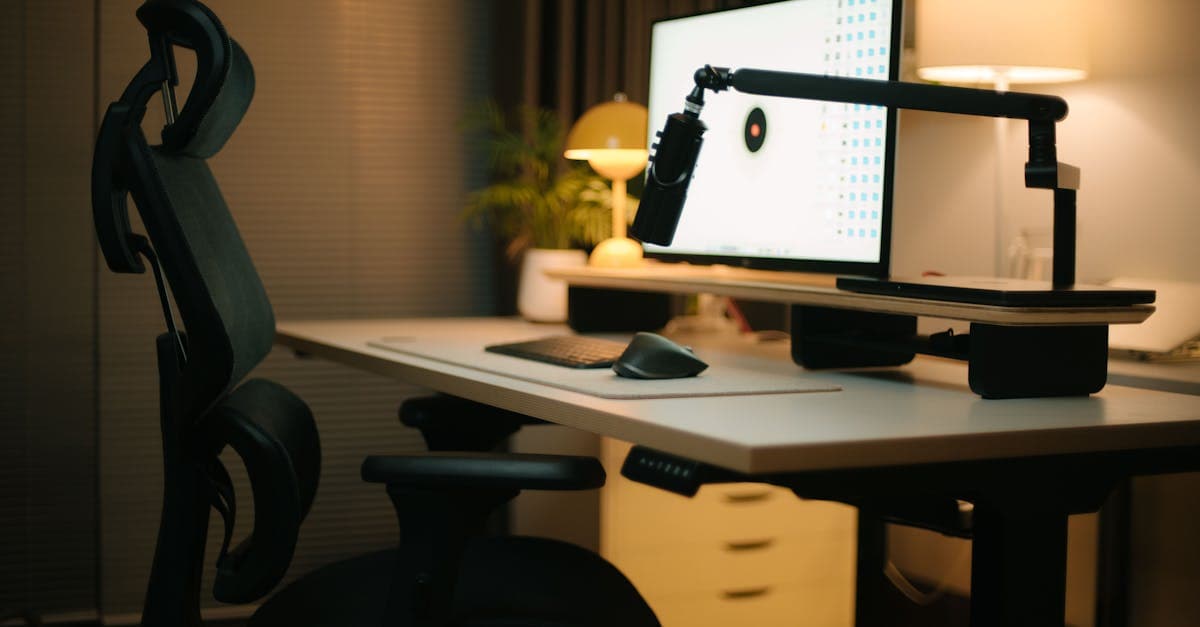
If you work at a desk, your posture is probably suffering. Eight or more hours of sitting each day takes a serious toll — tight shoulders, a stiff neck, nagging back pain, and a gradually rounding spine. Poor posture isn't just about appearances. Left unchecked, it leads to chronic pain, headaches, and reduced quality of life. The good news is that with the right exercises and a few simple changes, you can dramatically improve your posture — even if your job keeps you at a desk.
Why Sitting All Day Wrecks Your Body
The human body was designed for movement, not for sitting in a chair for eight hours straight. Our muscles, joints, and spine evolved to support an active lifestyle — walking, bending, reaching, squatting. When we park ourselves in the same position for hours on end, things go wrong.
Your hip flexors shorten because they're held in a contracted position all day. Your chest muscles tighten and pull your shoulders forward. The muscles in your upper back weaken from disuse. Your head drifts forward of your center of gravity — a condition called "tech neck" — and your spine gradually loses its natural curves.
These changes happen slowly. At first, you might notice mild stiffness after a long day. Over months and years, this can progress to chronic back pain, tension headaches, pinched nerves, and even disc problems.
Research also shows that poor posture affects more than your musculoskeletal system. People who slouch report higher levels of fatigue, worse concentration, and lower mood. How you hold your body shapes how you feel.
Common Posture Problems From Desk Work
To fix your posture effectively, it helps to understand what's going wrong.
Rounded shoulders: Your shoulders roll forward, your chest muscles shorten, and your upper back muscles become overstretched. This is the classic desk worker pattern — arms and hands constantly positioned in front of the body.
Forward head posture: Your head migrates in front of your center of gravity. Every inch your head moves forward adds roughly 10 pounds of effective load on your neck muscles. With an average head weighing about 11 pounds, the strain can easily triple.
Anterior pelvic tilt: Tight hip flexors tilt your pelvis forward, exaggerating the curve in your lower back. This is common in people who sit all day and have weak core muscles.
Flat back: The opposite problem — the natural curve in your lower back is reduced, usually from slumping. This increases pressure on your spinal discs and can lead to disc-related pain.
The Best Exercises for Better Posture
You can do most of these exercises right at your desk or at home with no equipment. Consistency matters more than intensity — short sessions multiple times a day beat one long workout per week.
1. Doorway Chest Stretch
Stand in a doorway with your forearms resting against the frame on both sides. Lean gently forward until you feel a stretch across your chest. Hold for 30 seconds. This directly counteracts rounded shoulders by opening up the tight chest muscles. Do 3 repetitions, several times daily.
2. Chin Tucks
Sit up straight and gently pull your chin straight back, as if making a double chin. Hold for 5 seconds, then release. Do 10 reps. This strengthens the deep neck flexors and corrects forward head posture. It looks silly, but it's one of the most effective neck exercises you can do.
3. Scapular Squeezes
Pull your shoulder blades together as if trying to hold a pencil between them. Hold for 5 seconds, then release. Do 15 reps. This strengthens the mid-back muscles that keep your shoulders pulled back in proper alignment.
4. Seated Cat-Cow
Sit on the edge of your chair. As you inhale, extend your spine and lift your gaze slightly. As you exhale, round your back and lower your head. Do 10 slow repetitions. This mobilizes your entire spine and feels great after prolonged sitting.
5. Hip Flexor Stretch
Step into a lunge position with your back knee on the ground. Push your hips gently forward until you feel a stretch at the front of your back thigh. Hold 30 seconds per side, 3 times. This releases the hip flexors that shorten from prolonged sitting.
6. Wall Angels
Stand with your back against a wall, arms bent at 90 degrees. Slowly slide your arms up and down the wall, keeping your hands and elbows in contact with it. Do 10 reps. This trains shoulder blade stability and opens the chest.
Setting Up an Ergonomic Workspace
Exercises alone aren't enough — your workspace needs to support good posture too. Proper ergonomics significantly reduces the strain on your body throughout the day.
Monitor position: The top of your screen should be at eye level. The ideal viewing distance is about arm's length (20–28 inches). If you use a laptop, consider an external monitor or a laptop stand with a separate keyboard.
Chair setup: Your feet should be flat on the floor with your knees at a 90-degree angle. The backrest should support the natural curve of your lower back. Armrests at desk height take load off your shoulders.
Keyboard and mouse: Position them close to your body with your forearms parallel to the floor. Keep your wrists straight, not bent. An ergonomic mouse can help if you use a mouse frequently.
Sit-stand alternation: A height-adjustable desk is ideal. Alternate between sitting and standing every 30–60 minutes. If you don't have a standing desk, at least get up and move regularly.
Building Posture-Friendly Habits
Lasting improvement comes from changed habits, not isolated exercises.
Take movement breaks: Set a timer for every 45–60 minutes. When it goes off, stand up, stretch briefly, and move for 2–3 minutes. Even this small habit makes an enormous difference over time.
Fix your phone posture: Hold your smartphone at eye level instead of looking down. "Tech neck" from phone use has become one of the most common posture problems worldwide.
Strengthen your core: A strong core — the muscles around your abdomen and lower back — stabilizes your spine and makes good posture significantly easier to maintain. Planks, dead bugs, and bird dogs are excellent choices.
Mind your sleep position: Avoid sleeping on your stomach, which twists the neck. Back or side sleeping with proper pillow support is more posture-friendly.
Manage stress: When stressed, we unconsciously raise our shoulders and tense our muscles. Relaxation techniques like deep breathing or progressive muscle relaxation help release this tension.
Stay active and build better habits with getNudge. The app reminds you to take regular breaks, tracks your daily activity, and helps you build the healthy routines that support better posture over time. With personalized tips and gentle reminders, you'll feel the difference in your back, neck, and overall energy. Download getNudge today and give your body the care it deserves.
Track your health with getNudge
getNudge helps you understand the connections between nutrition, sleep, and well-being – with personalized nudges based on your real data.