How to Boost Your Immune System: 12 Proven Tips
Auf Deutsch lesen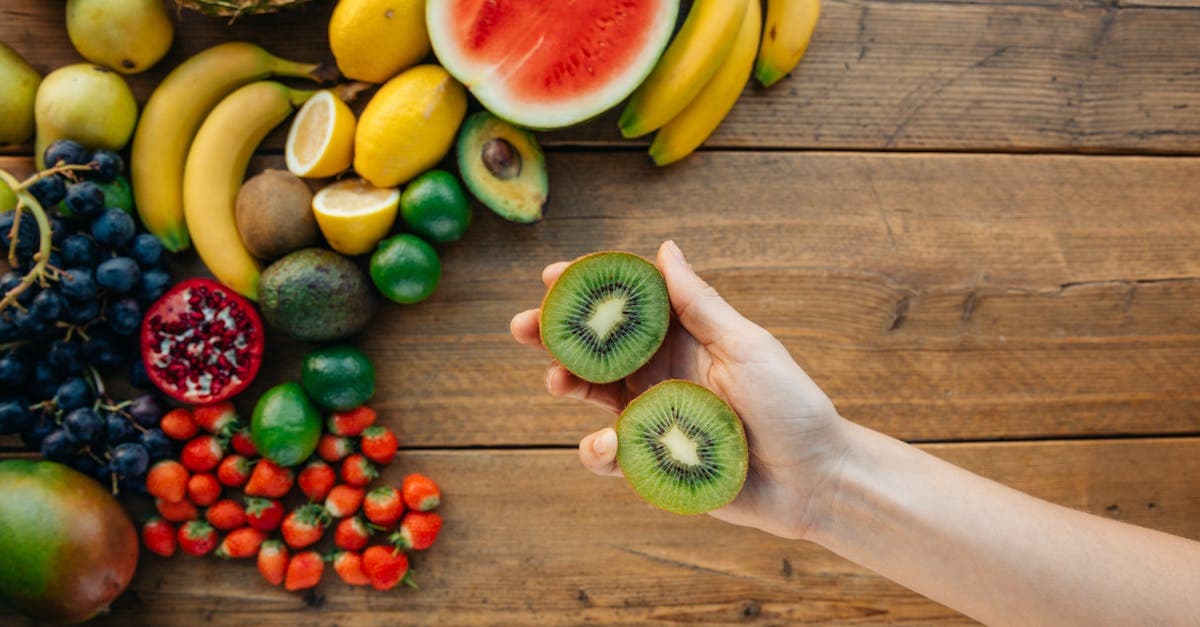
Your immune system works around the clock, fighting off viruses, bacteria, and other pathogens -- often without you even noticing. But like any system, its performance declines when maintenance is neglected. The good news is that you can actively support your immune function. Not with miracle cures, but with evidence-based habits that genuinely make a difference. Here are 12 tips that work.
How Your Immune System Works
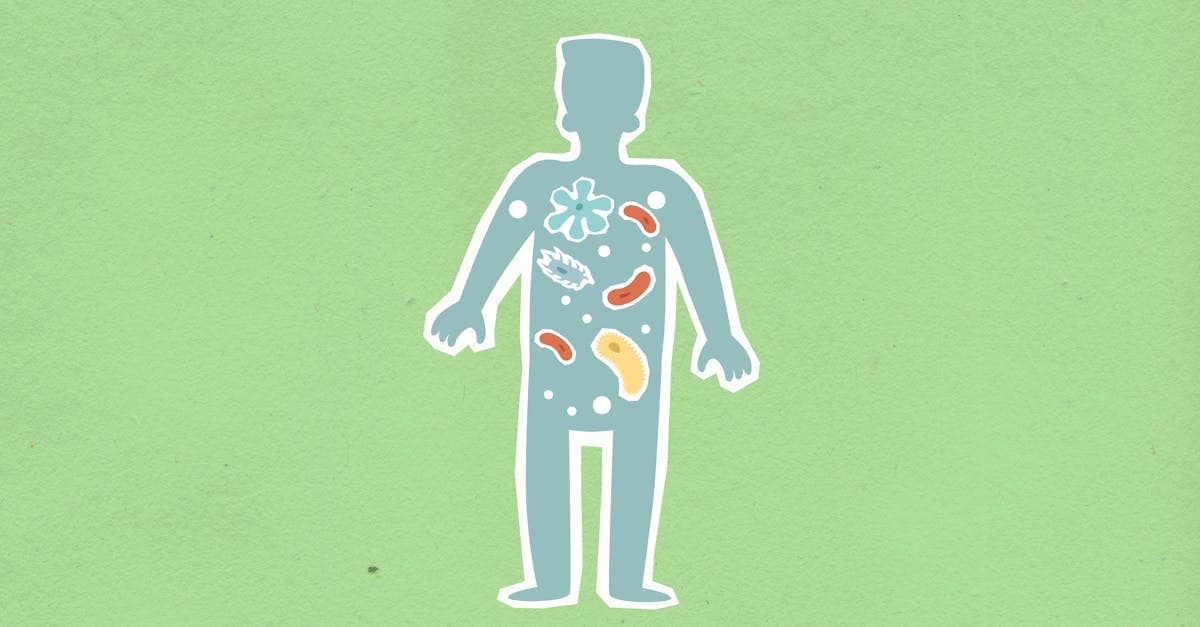
Before diving into the tips, a quick look at what you are strengthening. Your immune system has two main branches:
- Innate immunity: Your first line of defense -- skin, mucous membranes, phagocytes. It responds quickly but nonspecifically.
- Adaptive immunity: T cells and B cells that recognize specific pathogens and mount targeted attacks. Slower to activate but more precise, with memory that makes future responses faster.
Both branches are influenced by your lifestyle -- for better or worse. Chronic stress, poor sleep, and inadequate nutrition measurably weaken immune function. Conversely, healthy habits strengthen your defenses.
1. Prioritize Quality Sleep
Sleep is the single most important factor for a strong immune system. While you sleep, your body produces cytokines -- proteins that fight inflammation and direct the immune response. Sleep deprivation dramatically reduces this production.
- Aim for 7--9 hours per night
- Research shows that people sleeping fewer than 6 hours are up to 4 times more susceptible to colds
- Consistent sleep and wake times strengthen your circadian rhythm and, consequently, immune function
2. Eat a Colorful, Varied Diet
Your immune system requires a wide range of nutrients. The best way to get them is through a diverse, colorful diet:
Immune-boosting nutrients and their sources:
- Vitamin C: Bell peppers, citrus fruits, broccoli, strawberries
- Vitamin D: Fatty fish, egg yolks, sunlight, supplementation when needed
- Zinc: Pumpkin seeds, beef, lentils, cashews
- Vitamin A: Sweet potatoes, carrots, spinach
- Vitamin E: Nuts, seeds, avocado, olive oil
- Selenium: Brazil nuts, fish, eggs, whole grains
Tip: Aim for at least 5 different fruits and vegetables per day. The more colors on your plate, the better -- different colors represent different antioxidants and phytonutrients.
3. Exercise Regularly
Moderate exercise is a genuine immune booster. It improves the circulation of immune cells, reduces chronic inflammation, and lowers the risk of disease.
- 150 minutes of moderate activity per week (brisk walking, cycling)
- Or 75 minutes of vigorous activity (running, HIIT)
- Caution: Overtraining can temporarily suppress immunity (the "open window" effect). Balance is key.
4. Manage Your Stress
Chronic stress is one of the most potent immune suppressors. Persistently elevated cortisol inhibits immune cell production and promotes inflammation.
- Daily relaxation practices: meditation, breathing techniques, yoga
- Maintain social connections
- Build adequate breaks into your day
- Use nature as a stress outlet
5. Ensure Adequate Vitamin D
Vitamin D plays a critical role in immune function. In northern latitudes, vitamin D deficiency is remarkably common during winter months.
- October through March: Consider supplementing with 1,000--2,000 IU daily (consult your doctor)
- April through September: 15--20 minutes of sunlight on forearms and face
- Vitamin D-rich foods: fatty fish, egg yolks, UV-exposed mushrooms
6. Nurture Your Gut Microbiome
Approximately 70% of your immune system resides in your gut. The trillions of bacteria there train and regulate your immune response.
Probiotics (adding beneficial bacteria):
- Yogurt, kefir, sauerkraut, kimchi, miso, kombucha
Prebiotics (feeding beneficial bacteria):
- Fiber: oats, flaxseed, legumes, garlic, onions, bananas
What harms your gut microbiome:
- Excessive sugar and processed foods
- Unnecessary antibiotic use
- Chronic stress
- Excessive alcohol consumption
7. Stay Properly Hydrated
Your immune system needs adequate fluid to function effectively. Your mucous membranes -- the first barrier against pathogens -- must stay moist to trap viruses and bacteria.
- 2--3 liters (68--100 oz) of fluid per day
- Water and unsweetened teas are ideal
- Pay special attention to hydration in heated indoor environments during winter
8. Reduce Alcohol Intake
Alcohol impairs immune function on multiple levels:
- Disrupts the barrier function of intestinal mucosa
- Reduces the number and activity of immune cells
- Impairs sleep quality (which indirectly weakens immunity)
This does not mean you need to abstain completely, but mindful consumption helps. Recommended limits are a maximum of 1 drink per day for women and 2 for men, with several alcohol-free days per week.
9. Stop Smoking
Smoking is one of the immune system's greatest enemies. It damages the respiratory barrier, promotes chronic inflammation, and weakens virtually every aspect of the immune response. Quitting is one of the single most impactful things you can do for your health.
10. Wash Your Hands Regularly
Simple but remarkably effective. Thorough handwashing with soap (at least 20 seconds) reduces pathogen transmission by up to 50%.
- Before eating, after using the restroom, after arriving home
- Also: minimize touching your face
- During cold and flu season, consider elbow bumps instead of handshakes
11. Harness the Power of Cold
Controlled cold exposure can stimulate the immune system:
- Cold showers (30--60 seconds at the end of your shower) increase white blood cell counts
- Regular sauna sessions followed by cold water produce similar effects
- Exercise outdoors -- even in winter
- Start gradually and build up slowly
12. Maintain Social Connections
It may sound surprising, but social isolation measurably weakens the immune system. Loneliness increases inflammatory markers and cortisol levels.
- Regular contact with friends and family
- Shared activities and meaningful conversations
- Phone calls and video chats count too
- Volunteering or group activities
Your Immune-Boosting Plan
Here is a realistic daily framework covering all the key areas:
| Area | Daily Habit | |---|---| | Sleep | 7--9 hours, consistent schedule | | Nutrition | 5+ servings of fruits/vegetables, probiotic foods | | Exercise | 30 min moderate activity | | Hydration | 2--3 liters water/tea | | Stress relief | 10 min meditation or breathwork | | Hygiene | Regular handwashing | | Cold exposure | Cold shower in the morning (30--60 sec) | | Social | At least one genuine conversation |
You do not need to implement everything at once. Choose 2--3 items that feel easiest and build from there.
With getNudge, you can track all the factors that influence your immune health -- nutrition, exercise, sleep, and daily habits. The app shows you how these areas connect and where you can make the biggest impact. Download getNudge today and invest in your strongest defense.
Track your health with getNudge
getNudge helps you understand the connections between nutrition, sleep, and well-being – with personalized nudges based on your real data.