Körperhaltung verbessern: Übungen gegen Schreibtisch-Beschwerden
Read in English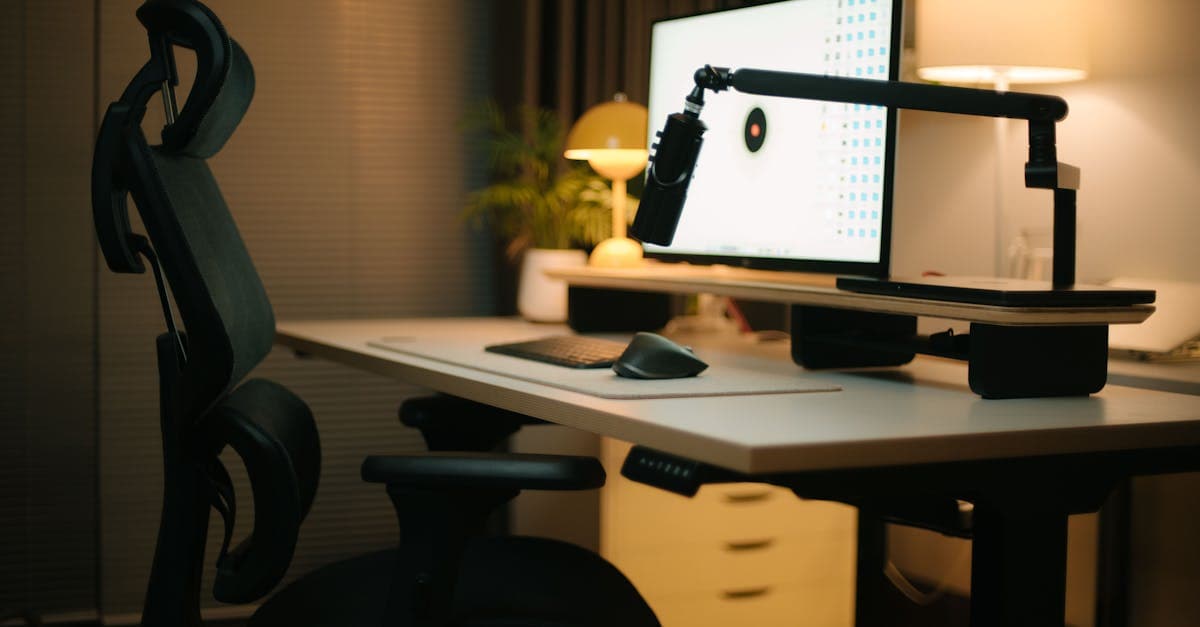
Acht Stunden oder mehr am Schreibtisch sitzen – das ist für Millionen Menschen der Alltag. Die Folgen spüren die meisten früher oder später: verspannte Schultern, ein steifer Nacken, Rückenschmerzen und eine Haltung, die immer runder wird. Schlechte Körperhaltung ist nicht nur ein kosmetisches Problem, sondern kann langfristig zu ernsthaften Beschwerden führen. Die gute Nachricht: Mit den richtigen Übungen und Gewohnheiten kannst du deine Haltung spürbar verbessern – auch wenn du weiterhin am Schreibtisch arbeitest.
Warum langes Sitzen deinem Körper schadet
Der menschliche Körper ist nicht fürs Dauersitzen gebaut. Unsere Vorfahren waren ständig in Bewegung, und unsere Muskulatur, Gelenke und Wirbelsäule sind darauf ausgelegt. Wenn wir stundenlang in der gleichen Position verharren, passieren mehrere Dinge gleichzeitig.
Die Hüftbeuger verkürzen sich, weil sie permanent in einer verkürzten Position gehalten werden. Die Brustmuskulatur zieht die Schultern nach vorn, während die obere Rückenmuskulatur schwächer wird. Der Nacken schiebt sich nach vorne – der typische „Tech Neck" – und die Wirbelsäule verliert ihre natürliche S-Kurve.
Diese Veränderungen geschehen schleichend. Anfangs merkst du vielleicht nur leichte Verspannungen nach einem langen Arbeitstag. Über Monate und Jahre können daraus chronische Rückenschmerzen, Spannungskopfschmerzen, eingeklemmte Nerven und sogar Bandscheibenprobleme entstehen.
Studien zeigen, dass Menschen mit schlechter Haltung häufiger unter Müdigkeit, Konzentrationsproblemen und sogar Stimmungseinbrüchen leiden. Deine Körperhaltung beeinflusst also nicht nur deinen Bewegungsapparat, sondern auch dein allgemeines Wohlbefinden.
Die häufigsten Haltungsprobleme am Schreibtisch
Um deine Haltung gezielt zu verbessern, hilft es, die typischen Problemzonen zu kennen.
Rundschultern (Protrahierte Schultern): Die Schultern rollen nach vorn, die Brustmuskulatur ist verkürzt, der obere Rücken ist überdehnt. Das passiert, wenn Arme und Hände ständig vor dem Körper arbeiten – typisch bei Tastatur- und Mausarbeit.
Vorgeschobener Kopf (Forward Head Posture): Der Kopf wandert vor den Körperschwerpunkt. Jeder Zentimeter, den der Kopf nach vorn rückt, erhöht die Belastung der Nackenmuskulatur um etwa 4–5 kg. Bei einem durchschnittlichen Kopfgewicht von 5 kg kann die effektive Belastung so auf 15–20 kg steigen.
Hohlkreuz (Hyperlordose): Verkürzte Hüftbeuger kippen das Becken nach vorn und verstärken die Krümmung der Lendenwirbelsäule. Häufig bei Menschen, die den ganzen Tag sitzen und wenig Rumpfmuskulatur haben.
Flacher Rücken: Das Gegenteil des Hohlkreuzes – die natürliche Lordose der Lendenwirbelsäule ist abgeflacht. Entsteht häufig durch zusammengesunkenes Sitzen und erhöht die Belastung der Bandscheiben.
Die besten Übungen für eine bessere Haltung
Diese Übungen kannst du größtenteils direkt am Arbeitsplatz oder zu Hause ohne Geräte durchführen. Regelmäßigkeit ist wichtiger als Intensität – kurze Einheiten mehrmals am Tag schlagen ein langes Training einmal die Woche.
1. Brustöffner (Doorway Stretch)
Stell dich in einen Türrahmen, lege die Unterarme an beiden Seiten des Rahmens an und lehne dich sanft nach vorn. Halte die Dehnung 30 Sekunden. Diese Übung öffnet die Brustmuskulatur und wirkt Rundschultern entgegen. Drei Wiederholungen, mehrmals täglich.
2. Kinn-Zurückziehen (Chin Tucks)
Sitze aufrecht und ziehe das Kinn sanft nach hinten, als würdest du ein Doppelkinn machen. Halte 5 Sekunden, dann entspannen. 10 Wiederholungen. Diese Übung kräftigt die tiefen Nackenflexoren und korrigiert die Forward Head Posture.
3. Schulterblatt-Squeeze
Ziehe die Schulterblätter zusammen, als wolltest du einen Stift zwischen ihnen halten. Halte 5 Sekunden, dann lösen. 15 Wiederholungen. Stärkt die mittlere Rückenmuskulatur und zieht die Schultern zurück.
4. Cat-Cow im Sitzen
Sitze auf der Stuhlkante. Beim Einatmen streckst du die Brustwirbelsäule und hebst den Blick. Beim Ausatmen rundest du den Rücken und senkst den Kopf. 10 langsame Wiederholungen. Mobilisiert die gesamte Wirbelsäule.
5. Hüftbeuger-Dehnung
Geh in einen Ausfallschritt, das hintere Knie am Boden. Schiebe die Hüfte sanft nach vorn, bis du eine Dehnung an der Vorderseite des hinteren Oberschenkels spürst. 30 Sekunden pro Seite, dreimal. Löst verkürzte Hüftbeuger.
6. Wandengel (Wall Angels)
Stell dich mit dem Rücken an eine Wand, Arme im 90-Grad-Winkel angewinkelt. Bewege die Arme langsam nach oben und unten, während Hände und Ellbogen die Wand berühren. 10 Wiederholungen. Trainiert die Schulterblatt-Stabilität und öffnet die Brust.
Ergonomie am Arbeitsplatz: Die richtige Einrichtung
Übungen allein reichen nicht – auch dein Arbeitsplatz muss stimmen. Eine gute Ergonomie reduziert die Belastung auf deinen Körper erheblich.
Monitor: Die Oberkante des Bildschirms sollte auf Augenhöhe sein. Der Abstand beträgt idealerweise eine Armlänge (50–70 cm). Bei Laptops empfiehlt sich ein externer Monitor oder ein Laptop-Ständer mit separater Tastatur.
Stuhl: Deine Füße sollten flach auf dem Boden stehen, die Knie im 90-Grad-Winkel. Die Rückenlehne unterstützt die natürliche Krümmung der Lendenwirbelsäule. Armlehnen auf Höhe der Schreibtischplatte entlasten die Schultern.
Tastatur und Maus: Nah am Körper positioniert, Unterarme parallel zum Boden. Handgelenke gerade, nicht abgeknickt. Eine ergonomische Maus kann bei häufigen Mausbewegungen helfen.
Steh-Sitz-Wechsel: Ein höhenverstellbarer Schreibtisch ist ideal. Wechsle alle 30–60 Minuten zwischen Sitzen und Stehen. Wenn kein Stehpult vorhanden ist, steh zumindest regelmäßig auf und bewege dich.
Gewohnheiten für den Alltag
Langfristige Verbesserung kommt nicht von einzelnen Übungen, sondern von veränderten Gewohnheiten.
Bewegungspausen einlegen: Stell dir einen Timer auf 45–60 Minuten. Bei jedem Signal stehst du auf, dehnst dich kurz und bewegst dich für 2–3 Minuten. Selbst dieses kleine Ritual macht einen enormen Unterschied.
Handy-Haltung ändern: Halte dein Smartphone auf Augenhöhe statt nach unten zu schauen. Der „Tech Neck" durch Handy-Nutzung ist mittlerweile eines der häufigsten Haltungsprobleme.
Rumpfmuskulatur stärken: Ein starker Core – die Muskulatur rund um Bauch und unteren Rücken – stabilisiert die Wirbelsäule und macht eine gute Haltung viel leichter. Planks, Dead Bugs und Bird Dogs sind hervorragende Übungen dafür.
Auf die Schlafposition achten: Vermeide das Schlafen auf dem Bauch, da es den Nacken verdreht. Rücken- oder Seitenlage mit angemessener Kissenunterstützung ist haltungsfreundlicher.
Stress reduzieren: Bei Stress ziehen wir unbewusst die Schultern hoch und verkrampfen die Muskulatur. Entspannungstechniken wie Atemübungen oder Progressive Muskelentspannung helfen, diese Spannung zu lösen.
Bewege dich mehr – mit Unterstützung von getNudge. Die App erinnert dich daran, regelmäßig Pausen einzulegen, trackt deine tägliche Aktivität und hilft dir, gesunde Gewohnheiten aufzubauen. Mit personalisierten Tipps und sanften Erinnerungen machst du deine Körperhaltung Schritt für Schritt besser. Lade getNudge jetzt herunter und tu deinem Rücken etwas Gutes.
Tracke deine Gesundheit mit getNudge
getNudge hilft dir, die Zusammenhänge zwischen Ernährung, Schlaf und Wohlbefinden zu verstehen – mit personalisierten Nudges basierend auf deinen echten Daten.