Sleep Hygiene Basics: Foundations for Restful Sleep
Auf Deutsch lesen
You are in bed, tired, but your mind will not shut off. Or you sleep through the night yet wake up feeling like you barely rested at all. If this sounds familiar, the solution might be simpler than you think: sleep hygiene. The term sounds clinical, but it simply refers to the collection of habits and environmental factors that influence how well you sleep. Often, small changes produce surprisingly big results.
What Is Sleep Hygiene and Why Does It Matter?
Sleep hygiene encompasses all the behaviors, routines, and environmental conditions that either promote or prevent good sleep. It is not a single trick -- it is a holistic framework that touches multiple areas of your life: your bedroom, your evening routine, your diet, your screen habits, and even your daytime activities.
Why this matters so much:
Sleep does not simply happen when you are tired enough. Your body needs the right signals to initiate the sleep process. Light, temperature, noise, stress hormones, caffeine -- all of these factors determine whether and how well you sleep.
Sleep science identifies two main systems that regulate your sleep:
- Sleep pressure (Process S): The longer you are awake, the sleepier you get. Adenosine builds up in your brain, creating the urge to sleep.
- Circadian rhythm (Process C): Your internal clock determines when your body releases melatonin and when it wants to be active.
Good sleep hygiene supports both systems. Poor sleep hygiene disrupts them.
Your Bedroom: Creating the Ideal Sleep Environment
Your bedroom should be a space that your brain exclusively associates with sleep. This sounds simple but is often overlooked.
Darkness:
Any form of light can interfere with melatonin production -- even the tiny standby light on your TV.
- Use blackout curtains or shades
- Cover LED lights on devices with tape
- Consider a comfortable sleep mask if full darkness is not possible
Temperature:
Your body needs to lower its core temperature to fall asleep. A warm bedroom prevents this.
- Ideal temperature: 60--65°F (16--18°C)
- Better to use an extra blanket in a cool room than to heat the space
- In summer: open windows at night, use a fan, block direct sunlight during the day
Noise:
Sudden noises wake you up or prevent sleep onset. Constant, low-level background sounds, however, can actually help:
- Earplugs for total silence
- White noise or nature sounds (rain, ocean waves)
- An open window can be great -- unless you live on a busy street
Mattress and Pillow:
You spend roughly a third of your life in bed. A quality mattress is not a luxury -- it is a health investment.
- Replace your mattress every 7--10 years
- Your pillow should support your sleep position (side sleepers: higher pillow; back sleepers: flatter pillow)
Evening Routine: Preparing Your Body for Sleep
Your body cannot switch from full speed to sleep instantly. It needs a transition phase -- a "wind-down" period, like shutting down a computer.
The golden rule: Start your wind-down phase 60--90 minutes before bedtime.
What you can do:
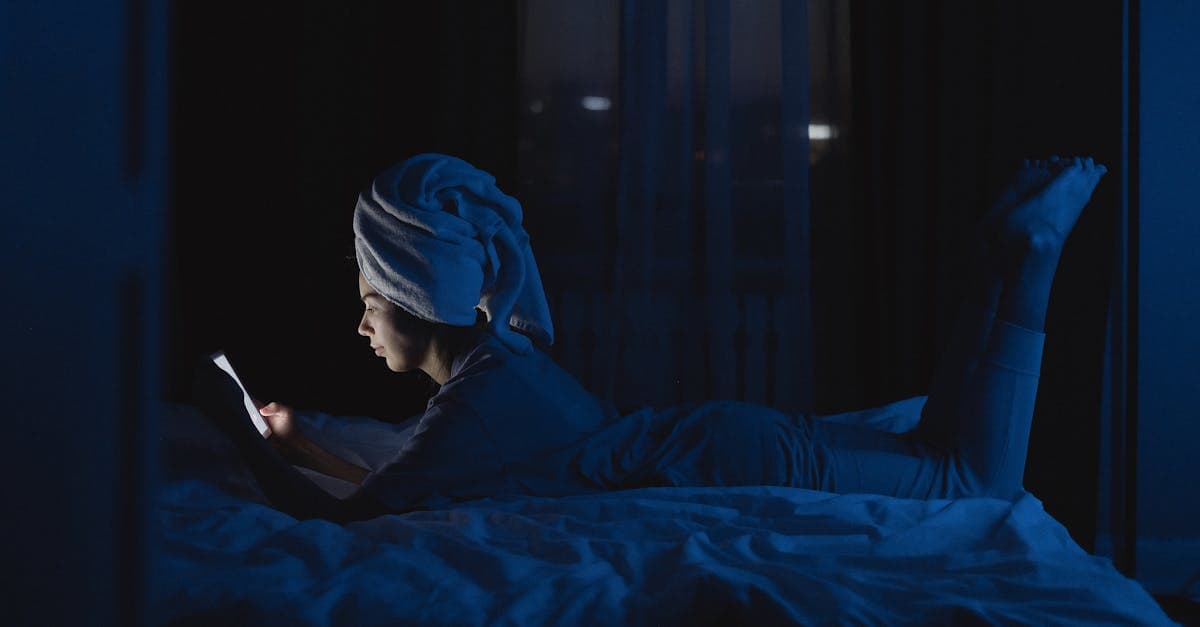
- Put screens away: Smartphones, tablets, and laptops emit blue light that suppresses melatonin. Night mode helps slightly, but putting devices down is far more effective.
- Dim the lights: Switch to warm, low lighting 1--2 hours before bed. This signals your brain that evening has arrived.
- Take a warm shower or bath: The temperature drop after a warm shower mimics the natural temperature decline that accompanies sleep onset, helping you fall asleep faster.
- Read a physical book: Reading is one of the best sleep aids -- as long as it is not an adrenaline-pumping thriller.
- Gentle stretching or breathwork: 5--10 minutes of light stretching or the 4-7-8 breathing technique can work wonders.
- Journaling: Write down what is on your mind or what needs to happen tomorrow. This transfers worries from your head to paper.
Food, Drink, and Sleep: What to Consume and When
What you eat and drink -- especially in the hours before bed -- directly affects your sleep quality.
Caffeine -- the underestimated sleep disruptor:
Caffeine has a half-life of 5--6 hours. This means if you drink coffee at 3 PM, half of that caffeine is still in your system at 9 PM. Even if you manage to fall asleep, caffeine measurably reduces your deep sleep.
Rule of thumb: No caffeine after 2 PM. This includes:
- Black and green tea
- Cola and energy drinks
- Dark chocolate (which contains a surprising amount of caffeine)
Alcohol -- the deceptive sleep aid:
Alcohol does make you drowsy. But it severely disrupts sleep architecture:
- Less REM sleep (critical for memory and emotional processing)
- More awakenings in the second half of the night
- Suppressed deep sleep stages
- Increased sweating and dehydration
Evening eating:
- Finish your last large meal 2--3 hours before bedtime
- Light snacks containing tryptophan can help: a banana, a handful of nuts, warm milk
- Avoid very fatty or spicy foods late at night
Daytime Habits That Shape Your Nighttime Sleep
Sleep hygiene does not start at bedtime. What you do during the day significantly influences how you sleep at night.
Morning sunlight:
Natural light exposure in the morning (10--30 minutes) is the most powerful signal for your circadian clock. It calibrates your internal rhythm and ensures you feel sleepy at the right time in the evening.
Regular exercise:
Thirty minutes of moderate physical activity per day measurably improves sleep quality. However, intense exercise should be finished at least 2--3 hours before bedtime. Gentle activities like walking or yoga are better suited for the evening.
Strategic napping:
Power naps of 15--20 minutes before 3 PM can be refreshing without disrupting nighttime sleep. Longer naps or napping late in the afternoon reduces your sleep pressure and can make it harder to fall asleep at night.
Stress management:
Chronic stress keeps your sympathetic nervous system activated -- the opposite of what you need for sleep. Find ways to manage stress during the day rather than carrying it all to bed: meditation, walks, social connection, hobbies.
Sleep Hygiene Checklist
Here is a compact summary of all the key principles:
Sleep environment:
- [ ] Bedroom is dark (blackout curtains, no LEDs)
- [ ] Temperature 60--65°F (16--18°C)
- [ ] Quiet (earplugs or white noise if needed)
- [ ] Quality mattress and appropriate pillow
Evening routine (60--90 min before bed):
- [ ] Screens put away
- [ ] Lights dimmed
- [ ] Warm shower or bath
- [ ] Relaxing activity (reading, stretching, breathing)
Nutrition:
- [ ] No caffeine after 2 PM
- [ ] No alcohol as a sleep aid
- [ ] Last large meal 2--3 hours before bed
Daytime habits:
- [ ] Morning sunlight exposure
- [ ] 30 minutes of exercise
- [ ] Naps only short and before 3 PM
- [ ] Stress management throughout the day
Consistency:
- [ ] Fixed bed and wake times (including weekends)
- [ ] Maximum 30-minute deviation
Discover how your daily habits affect your sleep with getNudge. The app connects your nutrition, exercise, and sleep data and reveals personalized patterns -- so you know what actually improves your rest. Download getNudge today and start building the foundation for better sleep.
Track your health with getNudge
getNudge helps you understand the connections between nutrition, sleep, and well-being – with personalized nudges based on your real data.