Screen Time and Sleep: How to Protect Your Night's Rest
Auf Deutsch lesen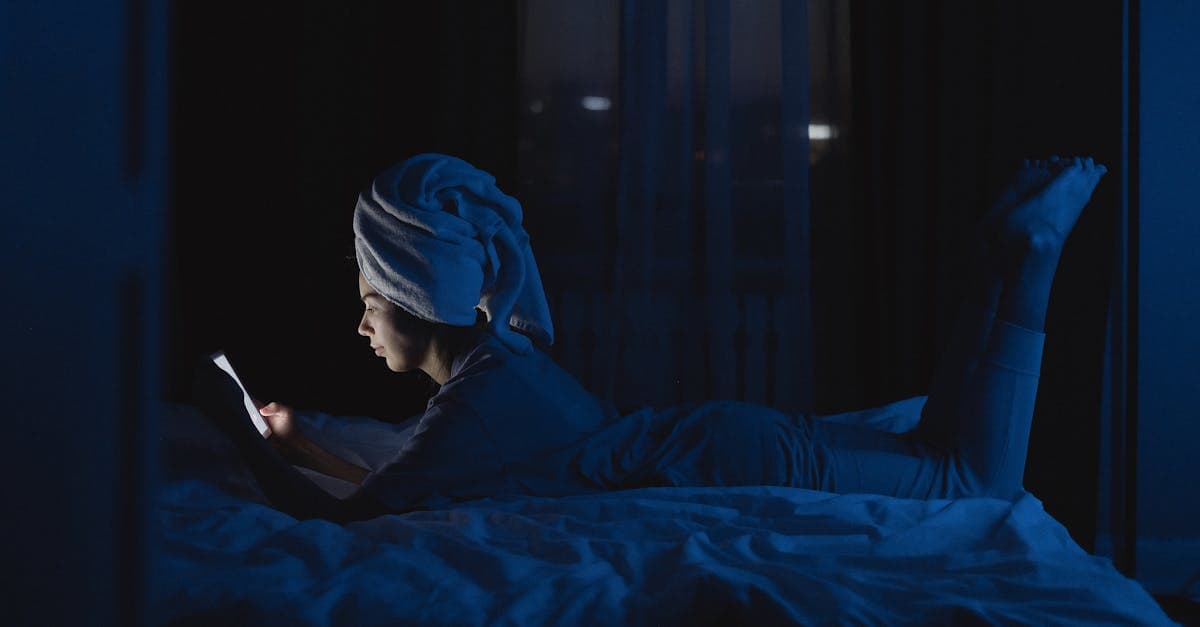
It is 11 PM, you intend to sleep, but you are still scrolling through social media, watching one more episode, or checking your email one last time. Sound familiar? You are far from alone. Studies show that most adults use screens in the hour before bed. The problem is that this habit can significantly disrupt your sleep — on multiple levels simultaneously.
Blue Light and Melatonin: The Biological Mechanism
The most widely discussed effect of screen time on sleep is the disruption of melatonin production. Screens on smartphones, tablets, laptops, and televisions emit blue light — a wavelength that signals to your brain that it is daytime.
Normally, your body begins releasing melatonin about two hours before your natural sleep time. This hormone makes you drowsy and prepares your body for rest. Blue light suppresses this process. Research from Harvard Medical School showed that blue light suppresses melatonin production twice as much as other light wavelengths and can shift the circadian rhythm by up to three hours.
In practical terms: if you look at screens right up until bedtime, it takes longer to fall asleep, and your sleep may be less restorative — even if you spend the same number of hours in bed.
Beyond Light: The Psychological Stimulation
Blue light is only part of the equation. What you do on the screen matters just as much:
Cognitive stimulation: Reading emails, checking messages, and reviewing work documents keep your brain in an active, problem-solving mode — the exact opposite of what you need to fall asleep.
Emotional activation: Social media, news sites, and gripping TV shows trigger emotional responses — excitement, anger, envy, anxiety. These emotions elevate cortisol and heart rate, making it harder to wind down.
The scroll trap: Social media platforms and video services are designed to keep you scrolling and watching. "Just one more video" easily becomes thirty minutes. This mechanism directly steals sleep time.
FOMO and availability: Many people feel compelled to stay reachable and stay informed. Having your phone next to your bed creates a subconscious vigilance that works against deep sleep.
What the Research Shows
The evidence is consistent:
A meta-analysis of 20 studies found that screen use before bedtime was consistently associated with poorer sleep quality, shorter sleep duration, and longer time to fall asleep. The effect was particularly strong for interactive media — smartphones and tablets — compared to passive television watching.
A Norwegian study of over 9,000 participants showed that using electronic devices in the hour before bed increased the risk of sleep-onset problems by 1.5 to 3 times, depending on the type of device.
Interestingly, research also shows that excessive screen time during the day — especially when it displaces physical activity and outdoor time — can independently impair sleep quality.
Strategies for Better Sleep in a Digital World
You do not need to abandon screens entirely. But you can manage your use in ways that protect your sleep:
The 60-minute rule: Try to stop using screens in the final hour before bed. This sounds ambitious, but it is the single most effective step you can take. Use that hour instead for reading, light stretching, or conversation.
Enable night mode: If you cannot avoid screens in the evening, activate night mode on all your devices. It reduces blue light output and shifts the color spectrum toward warmer tones. It is not a complete substitute for screen-free time, but it is better than nothing.
Remove your phone from the bedroom: This is the most radical and most effective measure. Use a traditional alarm clock instead of your phone. When your phone is out of reach, midnight scrolling becomes impossible.
Choose an e-reader over a tablet: If you want to read in the evening, use an e-reader without backlighting or with warm light. E-ink technology does not emit blue light and stimulates the brain far less than a backlit screen.
Set app time limits: Use your smartphone's built-in screen time features to set limits on specific apps. If Instagram or TikTok keeps you up at night, an automatic shutoff at 9 PM can help.
Building a Healthy Digital Evening Routine
Rather than simply removing screen time, replace it with something better. A conscious evening routine gives your brain the wind-down period it needs:
- Reading: A physical book or an e-reader with warm light
- Journaling: Writing down thoughts, gratitude, or a summary of the day
- Gentle movement: Soft yoga or light stretching
- Conversation: Quality time with a partner, family, or roommates
- Relaxation techniques: Breathing exercises, progressive muscle relaxation, or guided meditation
getNudge helps you see the connections between your evening habits and your sleep quality. The app shows you how different routines affect your rest, helping you find the strategies that work best for your individual needs.
Download getNudge and improve your sleep through more intentional evening habits — with data-driven insights that help you protect your night's rest in a digital world.
Track your health with getNudge
getNudge helps you understand the connections between nutrition, sleep, and well-being – with personalized nudges based on your real data.