Optimize Your Bedroom: Creating the Perfect Sleep Environment
Auf Deutsch lesen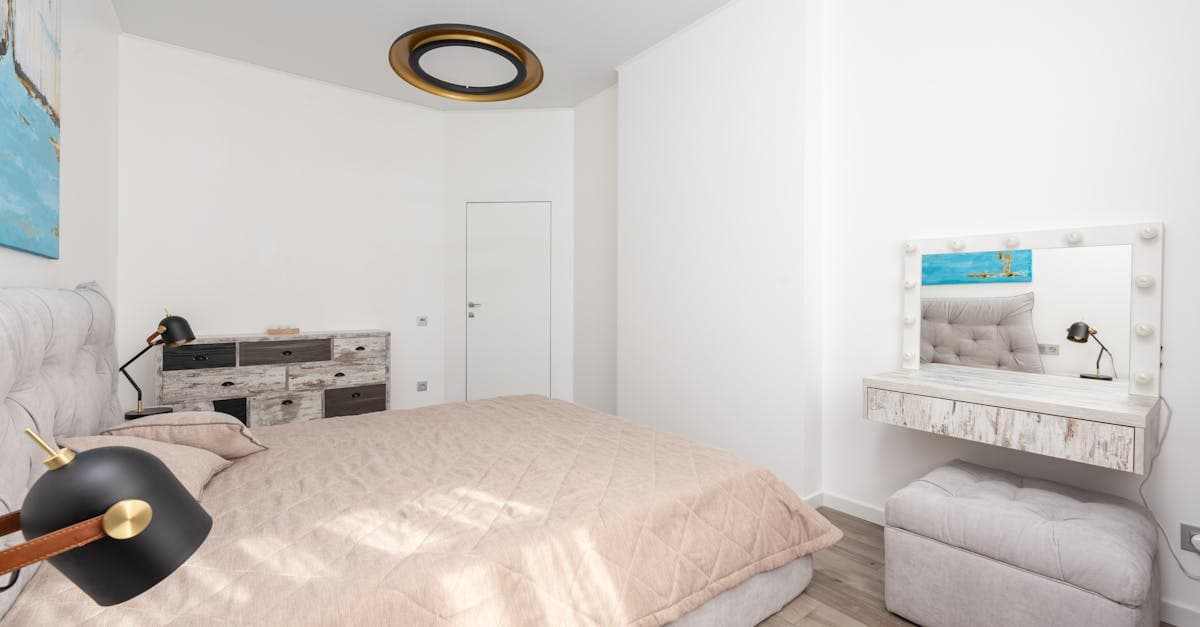
You spend roughly a third of your life in your bedroom, yet most people give their sleep environment surprisingly little thought. The way your bedroom is set up has an outsized impact on how well you sleep. Temperature, light, noise, your mattress, and even the colors on your walls all play a role. Here's how to transform your bedroom into a space that actively supports deep, restorative sleep.
Why Your Sleep Environment Matters So Much
Your brain is extraordinarily sensitive to environmental cues, especially during the process of falling asleep and during lighter sleep stages. A room that's too bright suppresses melatonin production. A room that's too warm prevents the natural drop in core body temperature your body needs to initiate sleep. Irregular noises pull you out of deep sleep, even if you don't remember waking up.
Research shows that people who sleep in optimized environments fall asleep 20–30 minutes faster on average, wake up less frequently, and spend more time in the restorative deep sleep and REM stages. This means that even without adding a single minute to your sleep schedule, you can wake up feeling significantly more refreshed.
The best part: many of these changes are simple, inexpensive, and deliver immediate results.
Temperature: The Most Underrated Sleep Factor
Room temperature is one of the most important — and most overlooked — factors in sleep quality. Your body needs to lower its core temperature by about 2–3 degrees Fahrenheit to fall asleep. A warm bedroom makes this process harder.
The ideal bedroom temperature is between 60 and 67°F (16–19°C). This might feel cool at first, but under your covers, you'll be at the perfect temperature.
Tips for temperature optimization:
- Air out your bedroom before bed — 10 to 15 minutes with windows open makes a difference
- Avoid running the heater in your bedroom overnight. If needed, heat the room before bed, then turn it off
- Choose bedding made from breathable materials like cotton or linen
- In summer, a fan can help circulate air, but don't point it directly at your face
- Take a warm shower before bed. It sounds counterintuitive, but it dilates blood vessels near the skin's surface, accelerating heat loss and helping your core temperature drop faster
Light and Darkness: Supporting Your Melatonin Production
Light is the most powerful signal for your sleep-wake cycle. Even small amounts of light in your bedroom can suppress melatonin and fragment your sleep.
Achieving true darkness:
- Invest in blackout curtains or blinds — this is one of the single best investments for your sleep
- Cover or remove all standby lights from electronic devices. Even a tiny LED can be disruptive
- Use a sleep mask if complete darkness isn't achievable
- Turn your alarm clock away from you or choose one without a glowing display
Evening lighting strategy:
The lighting in your home during the hours before bed matters just as much. Bright, cool-toned light tells your brain it's daytime and suppresses melatonin.
- Switch to warm, dim lighting 1–2 hours before bed (below 3000 Kelvin)
- Use salt lamps, candles, or smart bulbs with adjustable color temperature
- Reduce screen time in the final hour before bed, or enable blue light filters
Sound: Creating Quiet or Using Noise Strategically
Irregular noises — a slamming door, traffic, a partner snoring — can disrupt your sleep even when you don't consciously wake up. Studies using brain wave monitoring show that noise disturbances reduce time in deep sleep, even when the sleeper doesn't remember them.
Strategies for managing noise:
- Earplugs: High-quality sleep earplugs made from silicone or memory foam are more comfortable than you'd expect. Try a few different styles to find your best fit.
- White noise: A steady background sound masks disruptive individual noises. You can use a white noise app, a fan, or a dedicated sound machine. Brown noise and pink noise are popular alternatives worth exploring.
- Structural solutions: Heavy curtains, rugs, and bookshelves against exterior walls absorb sound. Double-glazed windows make a dramatic difference if you live on a busy street.
Note: Complete silence isn't always ideal. Some people sleep better with a constant, quiet background hum. Experiment to find what works for you.
Mattress, Pillows, and Bedding: Getting the Hardware Right
The quality of what you sleep on directly impacts how well you sleep — yet many people go years without evaluating their setup.
Mattress:
- Plan to replace your mattress every 7–10 years, even if it seems fine
- There's no universally "best" mattress — firmness depends on your sleep position and body type
- Side sleepers often benefit from softer mattresses, back sleepers from medium-firm
- Take advantage of trial periods — many companies offer 100-night sleep trials
Pillows:
- Your pillow should support your head so that your spine remains in a neutral alignment
- Side sleepers need a higher pillow than back sleepers
- Replace your pillow every 1–2 years
Bedding:
- Breathable fabrics like cotton, linen, or bamboo regulate temperature far better than synthetics
- Wash your sheets weekly — dust mites and sweat accumulation affect sleep hygiene
Designing Your Bedroom as a Sanctuary
Beyond the physical factors, the psychological association your brain makes with your bedroom matters enormously. Your brain should automatically link your bedroom with sleep and relaxation — not work, stress, or entertainment.
Practical guidelines:
- No workspace in the bedroom: If possible, never work in your bedroom. If you have no other option, visually separate the work area with a screen, curtain, or room divider.
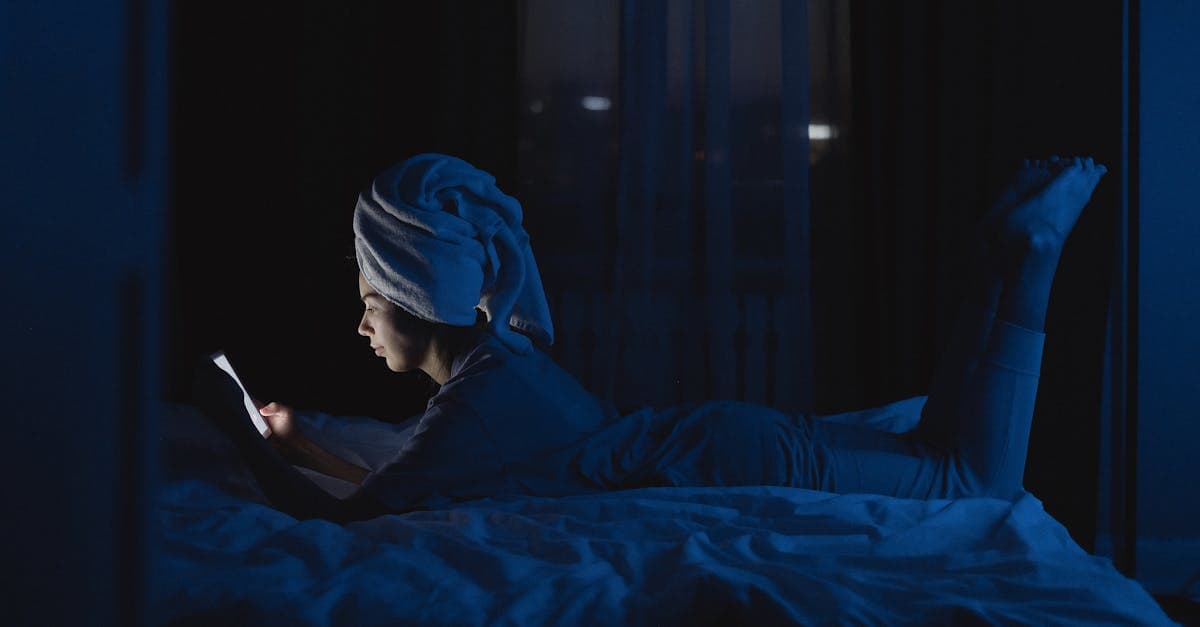
- Minimize electronics: TVs, laptops, and tablets don't belong in the bedroom. Your phone should ideally be out of arm's reach — or better yet, in another room.
- Keep it tidy: A clutter-free bedroom signals calm and control to your brain. Mess creates subtle background stress.
- Choose calming colors: Blues, greens, and neutral tones promote relaxation. Avoid bright, stimulating colors.
- Pleasant scent: Lavender has been shown in studies to promote sleep. A few drops of essential oil on your pillow or a gentle diffuser can be helpful.
Pay attention to how changes in your bedroom affect your sleep. Sometimes the smallest adjustments make the biggest difference — and you'll spot these connections most clearly when you track your sleep consistently.
getNudge connects your sleep tracking with your daily habits and shows you which changes truly make a difference. The app helps you understand how your sleep environment, nutrition, and exercise interact — for sustainably better sleep. Download getNudge today and optimize your sleep step by step.
Track your health with getNudge
getNudge helps you understand the connections between nutrition, sleep, and well-being – with personalized nudges based on your real data.