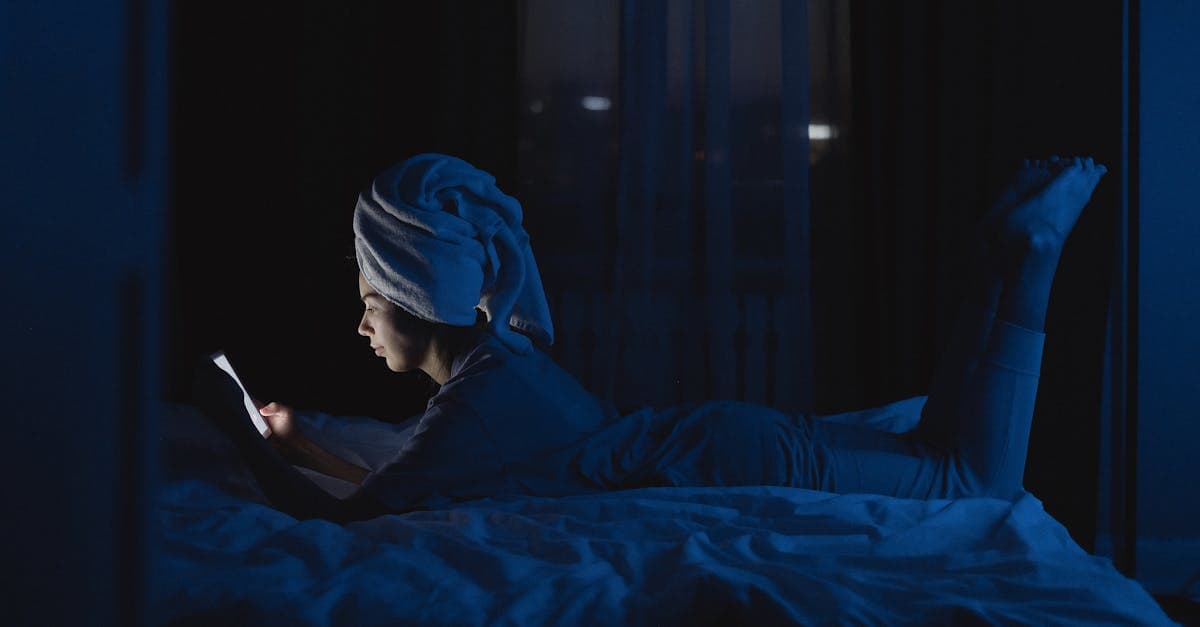
The Perfect Evening Routine: How to Prepare for Great Sleep
Auf Deutsch lesen
Great sleep doesn't start when your head hits the pillow — it starts hours earlier. What you do in the last 1–2 hours before bed profoundly influences how quickly you fall asleep, how deeply you rest, and how refreshed you feel in the morning. A deliberate evening routine is one of the most effective interventions for better sleep, yet remarkably few people have one. Here's how to build yours.
Why an Evening Routine Works
Your body isn't a switch that flips from "awake" to "asleep" on command. It needs a transition — a set of signals that communicate: "It's time to wind down."
The nervous system shift: During the day, your sympathetic nervous system dominates (activation, alertness, performance). For sleep, the parasympathetic system must take over (relaxation, recovery). This switch doesn't happen automatically when you collapse into bed — it requires a transition period.
Circadian rhythm: Your internal clock follows predictable patterns. Melatonin, the sleep hormone, is released approximately 1–2 hours before your habitual bedtime. Light, activity, and stress can all delay or suppress this release.
Conditioning: Like Pavlov's dog, your body learns to associate specific sequences with sleep. When you perform the same rituals each evening, your body automatically begins producing sleepiness cues as soon as the routine starts. This signal strengthens over time.
Stress processing: One of the most common sleep disruptions is racing thoughts at bedtime. A structured evening routine gives you a defined moment to close out the day and process lingering thoughts — before you're lying in the dark with nothing but your worries.
The Four Pillars of a Great Evening Routine
An effective wind-down routine rests on four principles: light management, temperature, relaxation, and consistency.
1. Light management (starting 2 hours before bed)
Light is the most powerful signal for your circadian clock. Blue light from screens tells your brain "it's daytime" and suppresses melatonin production.
- Dim room lighting 1–2 hours before bed
- Use warm, reddish light (candles, salt lamps, smart bulbs set to warm tones)
- Enable night mode on all devices — or better yet, put them away entirely
- Blue-light-blocking glasses can help if you can't avoid screens
2. Body temperature (1–2 hours before bed)
Your body needs to drop its core temperature by about 2–3°F (1–1.5°C) to initiate deep sleep. Paradoxically, a warm shower or bath helps: it dilates blood vessels at the skin surface and accelerates heat loss.
- Warm shower or bath 60–90 minutes before bed
- Keep bedroom temperature at 60–67°F (16–19°C)
- Choose light, breathable sleepwear
- Keep feet warm (socks can help) — warm extremities facilitate heat dissipation
3. Relaxation rituals
Choose activities that activate the parasympathetic nervous system and quiet the mind.
4. Consistency
The same rituals, at the same time, in the same order. Your body learns the sequence and responds with sleepiness more quickly over time.
A Sample 90-Minute Evening Routine
9:00 PM — Day close-out (15 minutes): Write down three things that went well today. Jot tomorrow's tasks onto a list so they leave your head. Lay out tomorrow's clothes and prepare anything you'll need in the morning.
9:15 PM — Screens off (5 minutes): Put away your phone, laptop, and tablet. Switch them to airplane mode or place them in another room. Dim the lights.
9:20 PM — Personal care (15 minutes): Warm shower, brush teeth, skincare. The warm shower lowers core temperature and signals your body that sleep is approaching.
9:35 PM — Relaxation (30 minutes): Read a physical book (not on a screen), listen to an audiobook or calming music, do gentle stretching, or practice a breathing exercise. The 4-7-8 breathing technique is particularly effective before sleep.
10:05 PM — Into bed (10 minutes): Lie down, do a brief body scan meditation or listen to a guided relaxation. If you're still awake after 20 minutes, get up and do something quiet until drowsiness arrives — don't lie in bed frustrated.
What to Avoid in the Evening
Knowing what not to do is just as important as knowing what to do.
Caffeine after 2 PM: Caffeine has a half-life of 5–7 hours. A coffee at 3 PM means half the caffeine is still in your system at 10 PM. Some people metabolize caffeine more slowly — for them, an even earlier cutoff is wise.
Alcohol: Alcohol may help you fall asleep faster, but it fragments sleep in the second half of the night and suppresses REM sleep. Even 1–2 glasses of wine measurably reduce sleep quality.
Intense exercise: Exercise is excellent for sleep — but not right before bed. Hard training raises heart rate, body temperature, and cortisol. Schedule intense workouts at least 2–3 hours before bedtime. Gentle yoga or stretching is fine in the evening.
Heavy meals: Large, fatty meals close to bedtime burden digestion and can cause acid reflux. Eat dinner ideally 2–3 hours before sleep. A light snack — like a small serving of cottage cheese — is acceptable.
News and social media: Negative news, provocative posts, and social media comparison activate the sympathetic nervous system and fuel rumination. Get informed during the day, not before sleep.
Difficult conversations: Avoid arguments or heavy discussions late in the evening. Emotional agitation is one of the most powerful sleep disruptors.
Personalizing Your Evening Routine
There's no universal evening routine — you need to find what works for you.
Experiment: Try different elements and observe how they affect your sleep. A sleep tracker provides valuable objective data to guide your adjustments.
Adjust the duration: Not everyone has 90 minutes. Even a 30-minute routine consisting of a screen break, brief reading, and a breathing exercise can make a noticeable difference.
Be patient: A new routine takes 2–4 weeks to feel natural. The first few days may feel awkward — stick with it.
Stay flexible: Perfectionism is the enemy of good habits. If you can't complete the full routine one evening, do at least part of it. Consistency beats perfection.
Build your perfect evening routine with getNudge. The app tracks your sleep, reminds you of your wind-down ritual, and shows you how changes affect your sleep quality over time. With personalized insights, you'll optimize your sleep step by step. Download getNudge today and start sleeping better than ever.
Track your health with getNudge
getNudge helps you understand the connections between nutrition, sleep, and well-being – with personalized nudges based on your real data.