Breathing Exercises for Relaxation: 5 Techniques That Work Instantly
Auf Deutsch lesen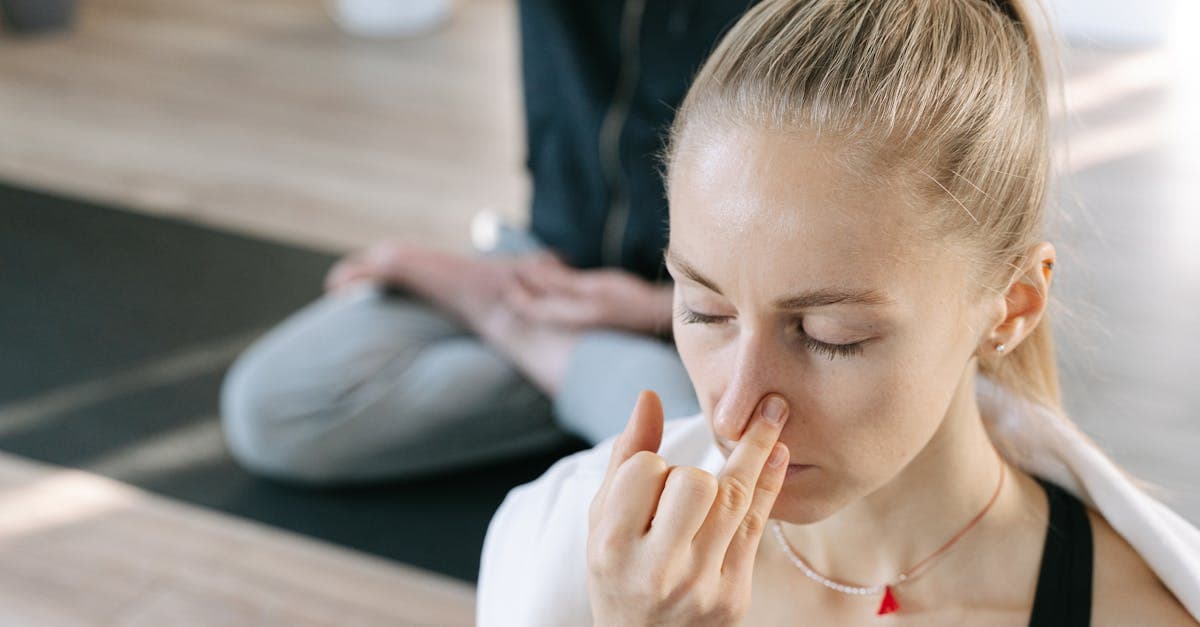
Your breath is the most powerful stress-relief tool you always have with you. While most relaxation methods require time, equipment, or specific conditions, breathing exercises work anywhere — at your desk, on the train, or right before a high-stakes meeting. In this guide, you'll learn five evidence-based breathing techniques that calm your nervous system almost instantly.
Why Breathing Is So Powerful Against Stress
Breathing is unique among body functions: it operates automatically but can also be consciously controlled. This makes it a direct bridge between your conscious mind and your autonomic nervous system.
When you're stressed, your body activates the sympathetic nervous system — the fight-or-flight branch. Your heart rate increases, muscles tighten, and breathing becomes shallow and rapid. This response evolved to help you survive physical threats, but it's counterproductive during a stressful email or a tense conversation.
Slow, deliberate breathing activates the parasympathetic nervous system — the rest-and-digest branch. Within just a few breaths, your heart rate drops, blood pressure decreases, muscle tension releases, and the stress hormone cortisol begins to decline.
Research from Stanford University shows that just five minutes of intentional breathing improves heart rate variability (HRV) — a key marker of stress resilience and overall health. The higher your HRV, the better your body adapts to stress.
What makes breathing exercises stand out from other relaxation techniques is their immediacy. You don't need weeks of practice to feel the effects. The very first session creates measurable physiological changes.
Technique 1: The 4-7-8 Breath
Popularized by Dr. Andrew Weil and rooted in an ancient yogic breathing practice called Pranayama, this technique is particularly effective for falling asleep and managing acute anxiety.
How to do it:
- Exhale completely through your mouth
- Close your mouth and inhale through your nose — count to 4
- Hold your breath — count to 7
- Exhale slowly through your mouth — count to 8
- Repeat the cycle 4 times
Why it works: The extended hold and especially the prolonged exhale stimulate the vagus nerve — the main nerve of the parasympathetic system. The vagus nerve sends calming signals to your heart, lungs, and digestive tract.
When to use it: Before bed, during anxiety or nervousness, as a reset after a stressful moment. Many practitioners report falling asleep within minutes using this technique.
Technique 2: Box Breathing
Box breathing is used by Navy SEALs, firefighters, and emergency physicians to stay calm and focused under extreme pressure.
How to do it:
- Inhale through your nose — count to 4
- Hold your breath — count to 4
- Exhale through your nose — count to 4
- Hold your breath — count to 4
- Repeat for 4–8 cycles
Why it works: The symmetrical structure gives your mind a focal point and interrupts racing thoughts. Simultaneously, the controlled rhythm regulates your nervous system. The brief pauses between inhale and exhale build CO2 tolerance, which contributes to calmer breathing patterns over time.
When to use it: Before presentations, during stressful work situations, when you feel like you're losing control. Also excellent as a transition between work mode and personal time.
Technique 3: The Physiological Sigh
Popularized by neuroscientist Andrew Huberman, this may be the fastest way to reduce stress — potentially in a single breath.
How to do it:
- Inhale through your nose until your lungs are about 80% full
- Immediately take a second, shorter inhale through your nose to completely fill your lungs
- Exhale slowly and fully through your mouth
- Repeat 1–3 times
Why it works: The double inhale reopens the tiny air sacs (alveoli) in your lungs that collapse during shallow stress breathing. The increased lung surface area allows more efficient CO2 exchange during the long exhale, which immediately activates the parasympathetic response.
When to use it: As first aid during acute stress, panic, or anger. It's also discreet enough to use in social situations — nobody notices you're doing a breathing technique.
Technique 4: Alternate Nostril Breathing (Nadi Shodhana)
A time-honored yoga technique that has gained recognition in Western stress research.
How to do it:
- Sit comfortably and close your right nostril with your right thumb
- Inhale through your left nostril — count to 4
- Close your left nostril with your ring finger (both closed) — hold briefly
- Open your right nostril and exhale — count to 4
- Inhale through your right nostril — count to 4
- Close the right nostril, open the left, and exhale
- This completes one cycle — repeat 5–10 times
Why it works: Studies show that alternate nostril breathing balances activity across both brain hemispheres and measurably lowers blood pressure. The technique promotes both relaxation and mental clarity — a rare combination.
When to use it: As a morning meditation, before creative work, during emotional imbalance, or when you need to be simultaneously calm and alert.
Technique 5: Extended Exhale Breathing
The simplest of all techniques — yet remarkably effective. Perfect for beginners and situations where you can't perform a more complex method.
How to do it:
- Inhale through your nose — count to 3
- Exhale through your nose or mouth — count to 6
- The exhale is always twice as long as the inhale
- Continue for 5–10 minutes
Why it works: Parasympathetic activation is directly linked to exhalation. The longer your exhale, the stronger the calming signal. There's nothing complicated to remember — just breathe out longer than you breathe in.
When to use it: Anywhere, anytime. While waiting at a traffic light, during lunch break, while walking, or as a sleep aid.
Making Breathing Exercises a Daily Habit
A breathing technique only works if you actually use it. Here are strategies to build a lasting practice.
Anchor to existing habits: Link breathing exercises to things you already do. Three cycles of box breathing after waking up, extended exhales during your commute, 4-7-8 breathing before sleep.
Start small: You don't need a 30-minute session. A single physiological sigh can make a noticeable difference. Two minutes of box breathing is enough for a tangible effect.
Use reminders: Set phone alerts for breathing breaks, or link them to everyday triggers — every time you unlock your phone, take three conscious breaths.
Combine with other activities: Breathing exercises pair beautifully with walks, stretching, or meditation. They also help you start workouts feeling focused and grounded.
Track your progress: Notice how your stress levels, sleep quality, and overall wellbeing shift over the weeks. The effects are often subtle but cumulative.
Find your calm with getNudge by your side. The app reminds you to take regular breaks, helps you monitor your stress levels, and tracks how relaxation habits affect your sleep and wellbeing. Download getNudge today and breathe your way to a more relaxed life.
Track your health with getNudge
getNudge helps you understand the connections between nutrition, sleep, and well-being – with personalized nudges based on your real data.