Nature and Well-Being: Why Time Outdoors Heals
Auf Deutsch lesen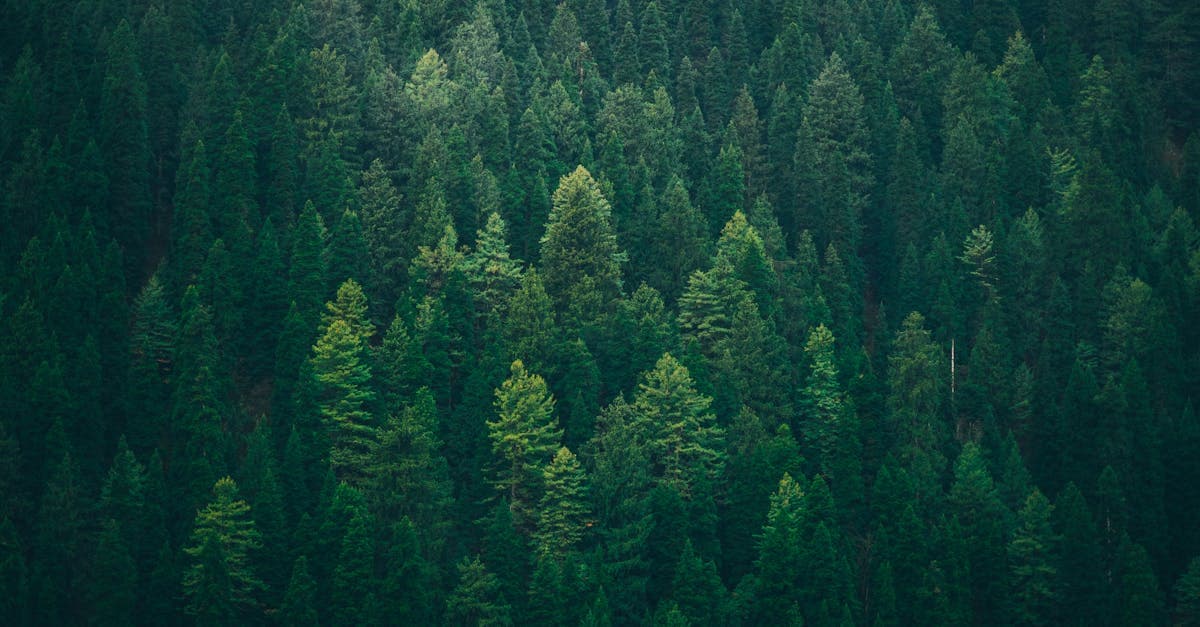
We spend an average of 90 percent of our time indoors — in front of screens, under artificial light, in temperature-controlled air. Yet our species evolved to live in nature. The research is becoming increasingly clear: time outdoors is not a luxury. It is a necessity for both physical and mental health. Nature heals — in ways we are only beginning to fully understand.
The Science Behind the Nature Effect
The positive influence of nature on health is not a vague feeling — it is measurable and scientifically documented:
Cortisol reduction: Just 20 minutes in nature significantly lowers cortisol levels. A University of Michigan study coined the concept of the "nature pill" — a minimum dose of nature for measurable stress reduction. It did not matter whether participants walked or simply sat. Being present in a natural setting was enough.
Blood pressure regulation: Japanese research on shinrin-yoku (forest bathing) showed that time in forests lowers blood pressure, heart rate, and adrenaline levels. These effects persisted for several days after the forest visit.
Immune system boost: Trees release phytoncides — volatile organic compounds that defend against pests. When we breathe in these substances, the activity of our natural killer cells increases — immune cells that fight viruses and tumor cells.
Improved mood: Time in nature reduces rumination, anxiety, and depressive symptoms. A Stanford study found that 90 minutes of walking in nature decreased activity in the subgenual prefrontal cortex — a brain region linked to excessive negative thinking.
Why Nature Is So Good for Your Mind
The psychological benefits of nature have several explanatory layers:
Attention Restoration Theory proposes that nature engages our attention in a gentle, effortless way — through rustling leaves, flowing water, shifting clouds. This "soft fascination" allows our brains to replenish the focused attention resources we deplete through work, screen time, and information overload.
The Biophilia Hypothesis suggests that we have an innate affinity for nature, shaped by millions of years of evolution. In natural environments, we feel safe and at home, activating a deep-rooted sense of belonging.
Perspective shift: The vastness and beauty of nature — a starry sky, an open ocean, an ancient forest — triggers what psychologists call "awe." This emotion puts personal worries into perspective and fosters a sense of connection to something larger than ourselves.
How Much Nature Do You Need?
Research provides concrete guidelines:
The 120-minute threshold: A large UK study with over 20,000 participants found that at least 120 minutes per week in nature is needed for significant improvements in health and well-being. Whether you spend this time all at once or distribute it across the week does not matter.
The 20-minute dose: For acute stress relief, 20 to 30 minutes in a green environment is sufficient. This could be a walk in the park during your lunch break.
Consistency beats intensity: Fifteen minutes in the park every day is better than one full day in the forest once a month. Regular exposure matters more than occasional immersive experiences.
Bringing Nature Into Your Daily Life — Even in the City
You do not need to live in the countryside or escape to the mountains every weekend. Urban life offers plenty of opportunities to connect with nature:
Use your commute: Walk or bike through a park instead of taking the fastest route. Even a ten-minute detour through greenery can make a difference.
Move activities outdoors: Take phone calls while walking in a park, read on a bench instead of the couch, meet friends for a picnic instead of at a cafe. The more daily activities you shift outside, the more nature you encounter automatically.
Create green spaces: Houseplants, a small balcony garden, or herbs on your windowsill bring at least a touch of nature indoors. Research shows that even viewing greenery through a window has stress-reducing effects.
Schedule nature time: Block dedicated slots in your calendar for outdoor time — a lunchtime walk, a weekend hike, an evening stroll. What gets scheduled gets done.
Embrace the seasons: Every season offers unique outdoor experiences. Cherry blossoms in spring, lakes in summer, colorful foliage in autumn, snowy landscapes in winter. Learn to enjoy nature year-round rather than waiting for perfect weather.
Nature Plus Movement: A Powerful Combination
The health benefits of nature and exercise amplify each other. Studies show that exercising outdoors produces greater improvements in mood and self-esteem than the same activity performed indoors. At the same time, outdoor exercise feels less strenuous — you run farther, persist longer, and enjoy it more.
This phenomenon is known as "green exercise," and it explains why a run through the woods feels more satisfying than 30 minutes on a treadmill, even when the physical effort is identical. The sensory richness of nature — smells, sounds, changing scenery — enriches the experience and distracts from exertion.
getNudge helps you see the connections between your activity, time outdoors, and well-being. The app tracks your movement and links it with sleep and mood data, revealing how an active day outside affects your overall health.
Download getNudge and discover how nature and movement shape your well-being — with data-driven insights that help you integrate the healing power of the outdoors into your daily routine.
Track your health with getNudge
getNudge helps you understand the connections between nutrition, sleep, and well-being – with personalized nudges based on your real data.