Sleep Disorders: Common Causes and What You Can Do
Auf Deutsch lesen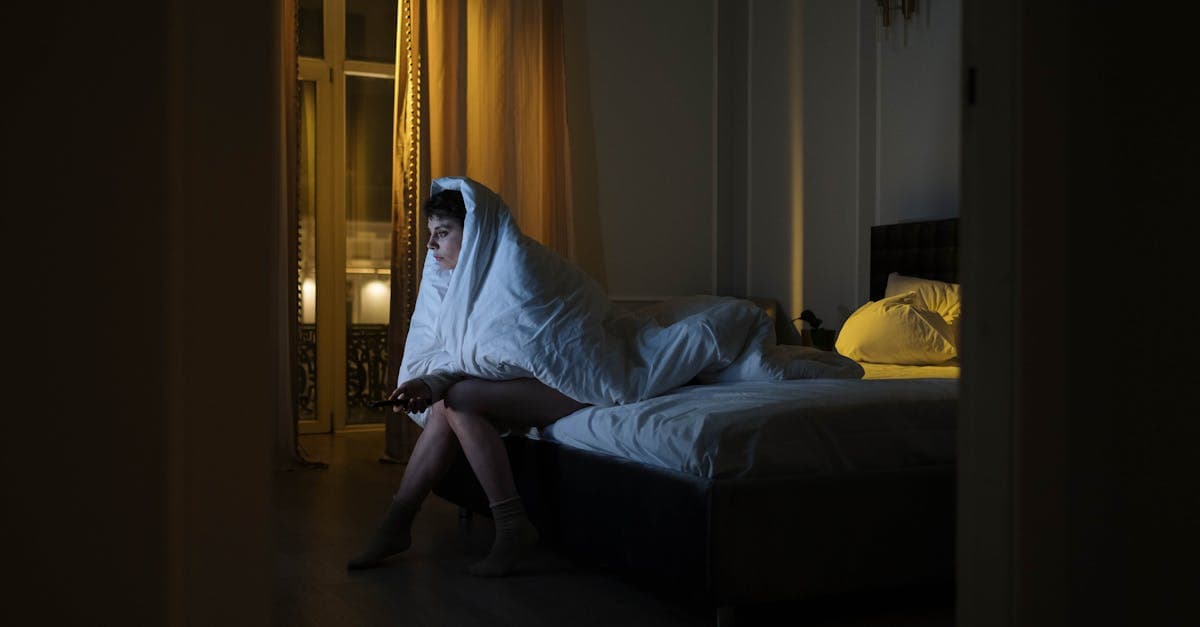
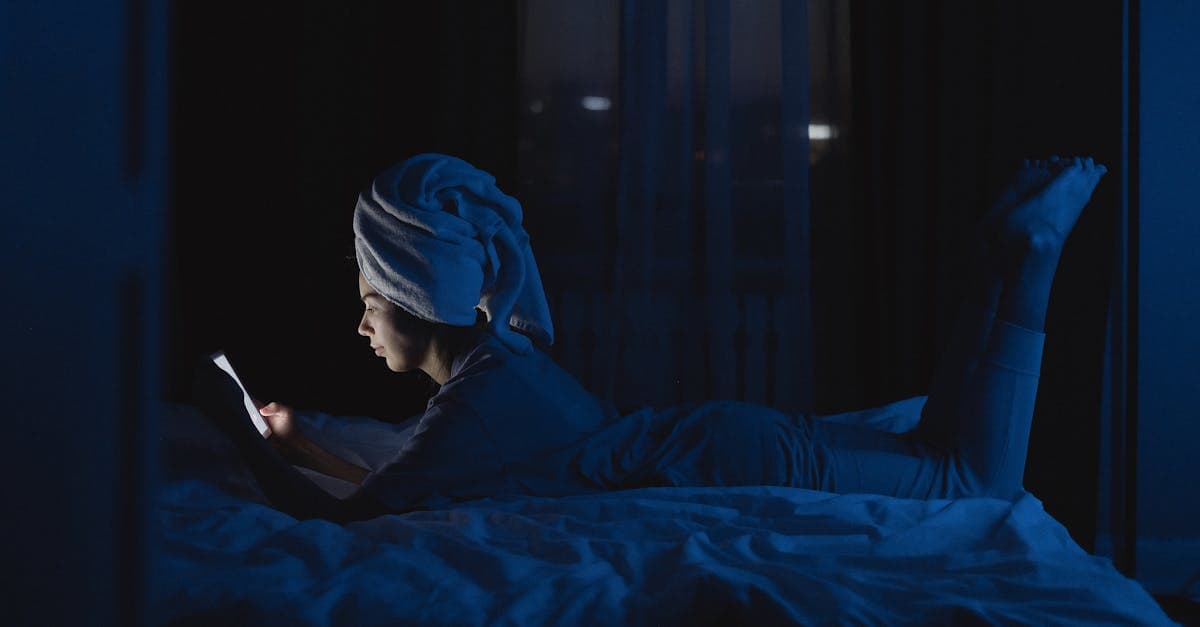
You're in bed, tired, but sleep won't come. Or you wake at 3 AM and stare at the ceiling for hours. Or you sleep through the night but wake up just as exhausted as when you went to bed. Sleep disorders are remarkably common – roughly one in three adults is affected. But "sleeping badly" isn't a single condition. It's a symptom with many possible causes. And identifying yours is the first step toward a solution.
The Most Common Types of Sleep Problems
Difficulty falling asleep
You regularly need more than 30 minutes to fall asleep. Your mind won't quiet down, thoughts loop, and the harder you try to sleep, the more awake you feel.
Common causes:
- Stress and worry
- Screen use before bed
- Caffeine too late in the day
- Irregular sleep schedule
- Anxiety about not being able to sleep (one of the trickiest causes)
Difficulty staying asleep
You fall asleep fine but wake multiple times during the night and struggle to get back to sleep. Some people wake at the same time every night.
Common causes:
- Alcohol (disrupts sleep architecture in the second half of the night)
- Sleep apnea (breathing pauses during sleep)
- Nocturia (frequent need to urinate)
- Hormonal changes (especially during menopause)
- Environmental factors (noise, light, temperature)
Unrefreshing sleep
You sleep enough hours but don't feel rested in the morning. The quality of sleep is the problem.
Common causes:
- Sleep apnea (you often don't notice the breathing pauses)
- Teeth grinding (bruxism)
- Restless legs syndrome
- Insufficient deep sleep
- Medications that alter sleep architecture
Early morning awakening
You wake well before your alarm and can't fall back asleep, despite still feeling tired.
Common causes:
- Depression (one of the hallmark symptoms)
- Shifted circadian rhythm
- Stress and inner restlessness
- Bright morning light in the bedroom
Major Causes Explained
Stress and psychological burden
By far the most common cause of sleep problems. When your stress system is activated, your body releases cortisol and adrenaline – hormones designed to keep you alert and vigilant. Useful during the day, but disastrous at bedtime.
The problem often reinforces itself: poor sleep increases stress, and more stress worsens sleep. Breaking this cycle is possible but requires deliberate strategies – breathing exercises, journaling, meditation, or professional support.
Sleep hygiene
Sleep hygiene refers to the collection of habits surrounding your sleep. Common issues:
- Irregular sleep times: Your body can't establish a stable rhythm
- Screens in bed: Blue light suppresses melatonin production
- The bed as a multipurpose zone: If you work, eat, or watch TV in bed, your brain stops associating it with sleep
- Bedroom too warm: The optimal temperature is around 60-65°F (16-18°C)
- Caffeine, alcohol, and heavy meals in the evening
Physical causes
Sometimes poor sleep has an underlying physical cause that needs treatment:
Sleep apnea: Repeated breathing interruptions during sleep, often accompanied by snoring. Affects an estimated 5-10% of adults, many undiagnosed. Symptoms: daytime sleepiness, difficulty concentrating, morning headaches.
Restless legs syndrome (RLS): An uncomfortable urge to move the legs that occurs in the evening and at night. Affects roughly 5-10% of the population.
Thyroid disorders: Both overactive and underactive thyroid can disrupt sleep.
Chronic pain: Back pain, arthritis, or other pain conditions are frequent sleep disruptors.
Lifestyle factors
- Shift work: Forces your body to work against its natural rhythm
- Jet lag: Temporary but taxing
- Sedentary lifestyle: Too little physical activity can lead to poor sleep
- Overtraining: Paradoxically, too much exercise can also impair sleep
When to See a Doctor
Not every bad night constitutes a sleep disorder. But if the following apply, seek professional help:
- Sleep problems have persisted for more than four weeks
- You feel regularly exhausted and limited during the day
- You snore loudly and/or your partner notices breathing pauses
- You experience unusual movements or sensations in your legs
- Sleep problems are significantly affecting your personal or professional life
A doctor can conduct a sleep study (polysomnography), rule out physical causes, and recommend appropriate treatment. Cognitive behavioral therapy for insomnia (CBT-I) is the most effective treatment for chronic sleep disorders – more effective than medication and without side effects.
What You Can Do Yourself
Immediate steps
- Establish fixed sleep and wake times – deviate by no more than 30 minutes, even on weekends
- Put screens away 60 minutes before bed
- Optimize your bedroom: Dark, cool (60-65°F/16-18°C), quiet
- Avoid caffeine after 2 PM
- Reduce alcohol, especially in the evening
Medium-term strategies
- Develop a bedtime routine: 30-60 minutes of deliberate winding down before sleep
- Learn breathing techniques: 4-7-8 breathing or progressive muscle relaxation
- Exercise regularly: 30 minutes of moderate activity per day, but not close to bedtime
- Schedule worry time: 15 minutes in the evening to consciously write down worries – then stop
The 15-minute rule
If you haven't fallen asleep after 15 minutes, get up. Go to another room, do something quiet (reading, calm music), and only return to bed when you're truly sleepy. This retrains your brain to associate the bed with sleep.
Track Your Sleep, Spot the Patterns
One of the most powerful tools for addressing sleep problems is a sleep diary – or better yet, automated tracking. When you can see over weeks how your sleep relates to your habits, patterns emerge that would otherwise stay hidden.
With getNudge, you can track your sleep alongside nutrition, exercise, and mood. Discover whether your poor Tuesday sleep is connected to that late afternoon coffee, or whether you consistently sleep better on days you exercise. These concrete insights are more valuable than any generic tip.
Download getNudge and understand your sleep patterns. With personalized data instead of guesswork, find out what truly affects your sleep – and what you can do about it.
Track your health with getNudge
getNudge helps you understand the connections between nutrition, sleep, and well-being – with personalized nudges based on your real data.