Natural Sleep Aids: Alternatives to Sleeping Pills
Auf Deutsch lesen
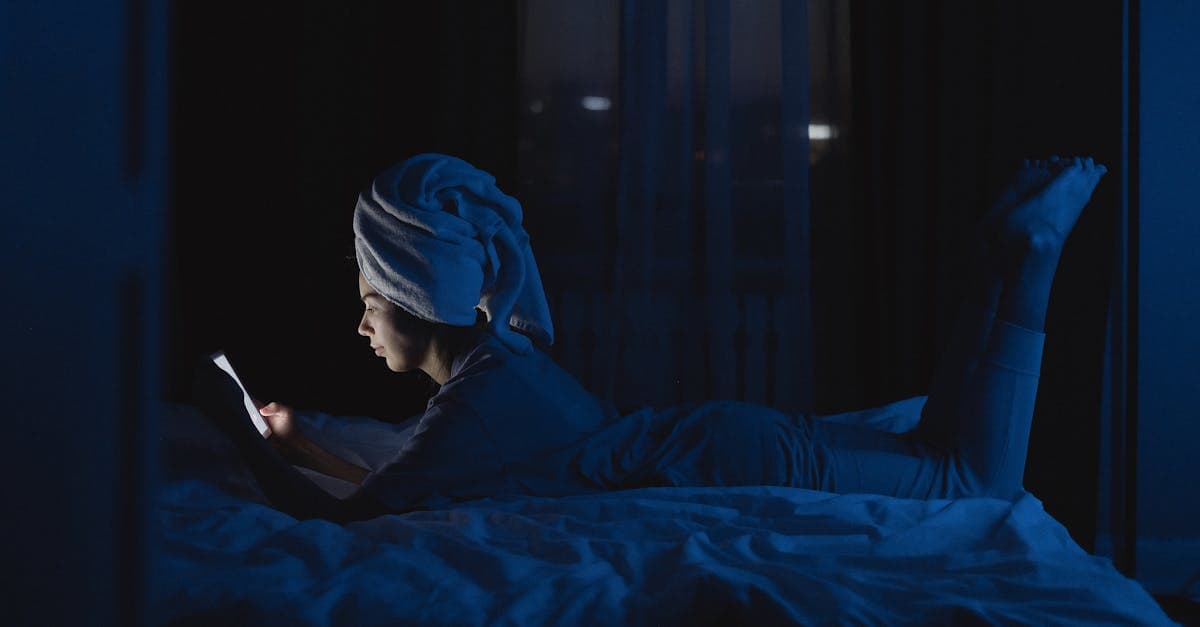
About one in three adults struggles with sleep on a regular basis. When you're lying awake at 2 AM, the temptation to reach for sleeping pills is real. For occasional, short-term use under medical guidance, that might be fine. But as a long-term solution, conventional sleep medications come with serious downsides: dependency, tolerance buildup, and a type of sleep that feels long but isn't truly restorative. The good news? There are plenty of natural alternatives that can improve your sleep without the side effects.
Why Sleeping Pills Aren't a Long-Term Solution
Before diving into alternatives, it's worth understanding why conventional sleep medications can be problematic. Most prescription sleep aids belong to the benzodiazepine or Z-drug family. They work by suppressing brain activity – which induces sleep but fundamentally alters your natural sleep architecture.
Here's what that means in practice:
- Less deep sleep: The most restorative sleep stage gets shortened
- Less REM sleep: Critical for memory consolidation and emotional processing
- Rebound insomnia: When you stop taking them, sleep often gets worse than before
- Tolerance: After a few weeks, you need a higher dose for the same effect
- Next-day drowsiness: Many sleep medications leave you groggy the morning after
This doesn't mean sleep medications are never appropriate. For acute sleep disorders, they can be useful under medical supervision. But for most people with occasional sleep difficulties, there are better paths forward.
Herbal Sleep Helpers
Valerian (Valeriana officinalis)
Valerian is perhaps the most well-known herbal sleep aid. It contains compounds that influence GABA metabolism in the brain – the same neurotransmitter targeted by prescription sleep medications, just more gently.
- Dosage: 300-600mg of valerian extract, 30-60 minutes before bedtime
- Onset: Effects often take 2-4 weeks of consistent use to appear
- Advantage: No known dependency, few side effects
Passionflower (Passiflora incarnata)
Passionflower has calming and anxiety-reducing properties. It's particularly well-suited for people whose sleep problems are stress-related.
- Use: As tea (1-2 teaspoons of dried flowers, steeped for 10 minutes) or as an extract
- Effect: May shorten the time it takes to fall asleep and improve sleep quality
Lavender
The scent of lavender has scientifically demonstrated calming properties. Studies show that lavender essential oil can measurably improve sleep quality.
- Use: A few drops of essential oil on your pillow or in a diffuser
- Alternative: Lavender tea or a lavender bath before bed
Chamomile
Chamomile tea is the classic bedtime drink – and for good reason. Chamomile contains apigenin, a flavonoid that binds to benzodiazepine receptors in the brain and produces a mild sedative effect.
- Use: 1-2 cups of chamomile tea, 30-60 minutes before bedtime
Supplements for Better Sleep
Melatonin
Melatonin isn't a sleep medication in the traditional sense – it's a hormone your body naturally produces to regulate your sleep-wake cycle. As a supplement, it's particularly helpful in specific situations:
- Jet lag: Melatonin helps adjust your rhythm to a new time zone
- Shift work: Supports falling asleep at unusual hours
- Delayed sleep phase: When you naturally don't feel tired until very late
Dosage: Start with 0.5-1mg, 30-60 minutes before your desired sleep time. Many products contain 3-5mg, which is more than most people need.
Magnesium
Magnesium deficiency is surprisingly common and can worsen sleep problems. Magnesium plays a role in muscle relaxation and nervous system regulation.
- Dosage: 200-400mg of magnesium glycinate or citrate in the evening
- Especially helpful for: Muscle cramps, restlessness, and difficulty falling asleep
L-Theanine
This amino acid occurs naturally in green tea and promotes relaxation without causing drowsiness. It increases alpha brain waves, associated with a calm but alert state.
- Dosage: 100-200mg, 30-60 minutes before bedtime
- Advantage: No next-day grogginess
Behavioral Methods That Actually Work
The most effective natural sleep aids often aren't substances at all – they're behavioral changes:
Progressive Muscle Relaxation
With this technique, you systematically tense different muscle groups for 5-10 seconds, then release. The contrast between tension and relaxation helps your body achieve deeper relaxation.
- Start at your feet and work up to your head
- Focus on the difference between the tensed and relaxed state
- After 15-20 minutes, you'll feel noticeably more relaxed
The 4-7-8 Breathing Technique
Popularized by Dr. Andrew Weil, this method activates the parasympathetic nervous system:
- Breathe in through your nose for 4 seconds
- Hold for 7 seconds
- Exhale through your mouth for 8 seconds
- Repeat 3-4 times
Sleep Hygiene Fundamentals
Sometimes the simplest changes make the biggest difference:
- No caffeine after 2 PM
- Screens off by 9 PM (or at least use blue light filters)
- Use your bedroom only for sleep – no working or watching TV in bed
- Consistent sleep schedule – even on weekends
- Room temperature around 60-65°F (16-18°C)
Finding What Works for You
Not every natural sleep aid works the same for everyone. The key is to experiment systematically and observe what makes a real difference for your sleep. This is where tracking becomes invaluable: when you document what you've tried and how your sleep responded, you quickly identify what genuinely helps.
With getNudge, you can track your sleep quality alongside your daily habits. See in black and white whether that chamomile tea actually makes a difference, or whether it's the breathing exercises that are truly improving your sleep.
Download getNudge and find out which natural methods actually improve your sleep. Replace guesswork with data-driven insights for more restful nights.
Track your health with getNudge
getNudge helps you understand the connections between nutrition, sleep, and well-being – with personalized nudges based on your real data.