Schlaf und Immunsystem: Wie Schlafmangel deine Abwehr schwächt
Read in English
Warum wirst du nach einer Woche mit wenig Schlaf eher krank? Die Antwort liegt in einem faszinierenden Zusammenspiel zwischen Schlaf und Immunsystem, das die Forschung erst in den letzten Jahren richtig entschlüsselt hat. Schlaf ist keine passive Ruhephase – es ist die Zeit, in der dein Immunsystem seine wichtigste Arbeit verrichtet. Schlafmangel schwächt deine Abwehr nachweislich und macht dich anfälliger für Infektionen, chronische Krankheiten und sogar eine schwächere Impfreaktion. In diesem Artikel erfährst du, was genau passiert, wenn du zu wenig schläfst, und wie du deinen Schlaf für ein starkes Immunsystem optimierst.
Was dein Immunsystem im Schlaf tut
Während du schläfst, arbeitet dein Immunsystem auf Hochtouren. Verschiedene Prozesse laufen ab, die tagsüber nicht in gleicher Intensität stattfinden können.
Zytokine-Produktion: Im Schlaf produziert dein Körper vermehrt Zytokine – Signalproteine, die Entzündungsreaktionen steuern und die Kommunikation zwischen Immunzellen koordinieren. Bestimmte Zytokine werden benötigt, um Infektionen zu bekämpfen und Entzündungen zu kontrollieren. Bei Schlafmangel sinkt die Produktion dieser schützenden Zytokine.
T-Zellen-Aktivierung: T-Zellen sind eine Schlüsselwaffe deines Immunsystems gegen Viren und Bakterien. Eine Studie der Universität Tübingen zeigte, dass bereits eine Nacht ohne Schlaf die Fähigkeit der T-Zellen reduziert, sich an infizierte Zellen zu heften und sie zu zerstören. Stresshormone wie Adrenalin, die bei Schlafmangel erhöht sind, blockieren die Haftmoleküle der T-Zellen.
Immunologisches Gedächtnis: Im Tiefschlaf werden Informationen über neue Krankheitserreger im immunologischen Gedächtnis gespeichert – ähnlich wie das Gehirn Erinnerungen konsolidiert. Das ist auch der Grund, warum ausreichend Schlaf nach einer Impfung die Antikörperbildung verbessert.
Entzündungsregulation: Schlaf hilft, Entzündungen im Gleichgewicht zu halten. Im Tiefschlaf werden entzündungsfördernde Prozesse heruntergefahren und reparative Prozesse aktiviert. Chronischer Schlafmangel stört dieses Gleichgewicht und fördert niedriggradige chronische Entzündungen.
Was passiert, wenn du zu wenig schläfst
Die Forschung hat die Auswirkungen von Schlafmangel auf das Immunsystem präzise gemessen – und die Ergebnisse sind alarmierend.
Höheres Infektionsrisiko: Eine berühmte Studie setzte gesunde Freiwillige dem Erkältungsvirus aus. Diejenigen, die weniger als 6 Stunden pro Nacht schliefen, hatten ein 4,2-fach höheres Risiko, sich zu infizieren, verglichen mit denen, die 7 oder mehr Stunden schliefen.
Schwächere Impfreaktion: Studien zur Grippeimpfung zeigen, dass Menschen, die in der Woche nach der Impfung zu wenig schlafen, bis zu 50 Prozent weniger Antikörper bilden. Dein Immunsystem braucht Schlaf, um eine effektive Immunantwort aufzubauen.
Chronische Krankheiten: Langfristiger Schlafmangel erhöht das Risiko für Autoimmunerkrankungen, Herz-Kreislauf-Erkrankungen, Typ-2-Diabetes und bestimmte Krebsarten. Die chronische Entzündung durch Schlafmangel ist ein zentraler Treiber.
Langsamere Wundheilung: Bei Schlafmangel heilen Wunden langsamer, da die Regenerationsprozesse beeinträchtigt sind. Das betrifft auch die Erholung nach dem Sport.
Verlängerte Krankheitsdauer: Wenn du mit Schlafmangel krank wirst, bist du in der Regel länger krank. Dein Immunsystem hat weniger Ressourcen, um den Erreger effizient zu bekämpfen.
Wie viel Schlaf dein Immunsystem braucht
Die optimale Schlafdauer für ein starkes Immunsystem liegt für die meisten Erwachsenen bei 7–9 Stunden pro Nacht. Unter 6 Stunden wird es kritisch – das Immunsystem beginnt messbar zu leiden.
Aber Dauer ist nicht alles. Schlafqualität ist ebenso wichtig. Wer 8 Stunden im Bett liegt, aber ständig aufwacht, hat weniger Tiefschlaf und REM-Schlaf – genau die Phasen, in denen die wichtigsten immunologischen Prozesse stattfinden.
Schlafkonsistenz zählt ebenfalls. Unregelmäßige Schlafzeiten – unter der Woche wenig, am Wochenende viel – irritieren die innere Uhr und beeinträchtigen die Immunfunktion. Der sogenannte „soziale Jetlag" ist für das Immunsystem fast so schädlich wie chronischer Schlafmangel.
Individueller Bedarf: Manche Menschen kommen mit 7 Stunden aus, andere brauchen 9. Höre auf deinen Körper. Wenn du dich morgens ohne Wecker erfrischt fühlst und tagsüber nicht müde bist, triffst du wahrscheinlich deinen individuellen Bedarf.
Strategien für immunstärkenden Schlaf
Neben den klassischen Schlafhygiene-Tipps gibt es spezifische Maßnahmen, die besonders das Immunsystem unterstützen.
Schlafumgebung optimieren: 16–18 °C Raumtemperatur, komplette Dunkelheit und eine ruhige Umgebung schaffen die optimalen Bedingungen. Dein Körper braucht eine Absenkung der Kerntemperatur, um in den Tiefschlaf zu fallen.
Regelmäßige Schlafzeiten: Gehe jeden Tag zur gleichen Zeit schlafen und stehe zur gleichen Zeit auf – auch am Wochenende. Das stabilisiert deinen zirkadianen Rhythmus und optimiert die Timing der immunologischen Prozesse.
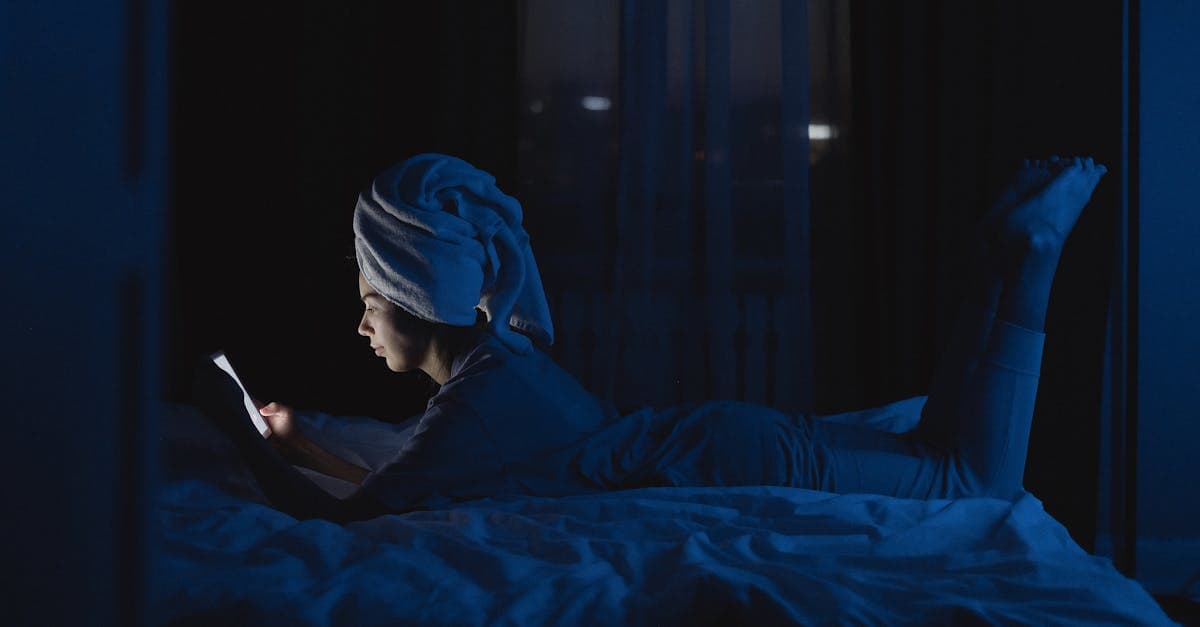
Abendliche Bildschirmzeit reduzieren: Blaues Licht von Bildschirmen unterdrückt Melatonin und verzögert das Einschlafen. Stelle 1–2 Stunden vor dem Schlafen auf Nachtmodus um oder lege die Geräte ganz weg.
Stressmanagement: Chronischer Stress erhöht Cortisol, das sowohl den Schlaf als auch das Immunsystem direkt beeinträchtigt. Atemübungen, Meditation oder ein Abendspaziergang helfen, den Stresspegel vor dem Schlafen zu senken.
Ernährung beachten: Vermeide große, schwere Mahlzeiten und Alkohol 2–3 Stunden vor dem Schlafen. Alkohol mag das Einschlafen erleichtern, aber er fragmentiert den Schlaf und reduziert den REM-Schlaf erheblich.
Bewegung am Tag: Regelmäßige körperliche Aktivität – besonders morgens oder am Nachmittag – verbessert sowohl die Schlafqualität als auch die Immunfunktion. Vermeide jedoch intensives Training direkt vor dem Schlafen.
Was tun, wenn du krank wirst: Schlaf als Medizin
Wenn eine Erkältung oder Grippe zuschlägt, ist Schlaf tatsächlich eine der wirksamsten Maßnahmen.
Mehr Schlaf ist normal und gewollt: Das Gefühl extremer Müdigkeit bei Krankheit ist kein Zeichen von Schwäche – es ist eine aktive Strategie deines Immunsystems. Zytokine, die bei der Infektionsbekämpfung freigesetzt werden, erzeugen Schläfrigkeit, damit dein Körper seine Energie auf die Immunabwehr konzentrieren kann.
Nicht dagegen ankämpfen: Wenn du krank bist, schlafe so viel dein Körper verlangt. Durcharbeiten oder Sport treiben verlängert die Krankheit und kann zu Komplikationen führen.
Unterstützende Maßnahmen: Ausreichend Flüssigkeit, leichte Ernährung und ein gut gelüftetes Schlafzimmer unterstützen die Erholung. Nasenspülung und erhöhter Kopf können bei verstopfter Nase die Schlafqualität verbessern.
Wann zum Arzt: Wenn Fieber über 39 °C länger als 3 Tage anhält, Atemnot auftritt oder sich die Symptome nach einer Woche nicht bessern, solltest du ärztlichen Rat suchen.
Schütze dein Immunsystem mit besserem Schlaf – und getNudge hilft dir dabei. Die App trackt deine Schlafqualität, zeigt dir deine Schlafphasen und gibt dir personalisierte Tipps für erholsamere Nächte. Wenn du verstehst, wie du schläfst, kannst du gezielt optimieren. Lade getNudge jetzt herunter und gib deinem Immunsystem den Schlaf, den es verdient.
Tracke deine Gesundheit mit getNudge
getNudge hilft dir, die Zusammenhänge zwischen Ernährung, Schlaf und Wohlbefinden zu verstehen – mit personalisierten Nudges basierend auf deinen echten Daten.