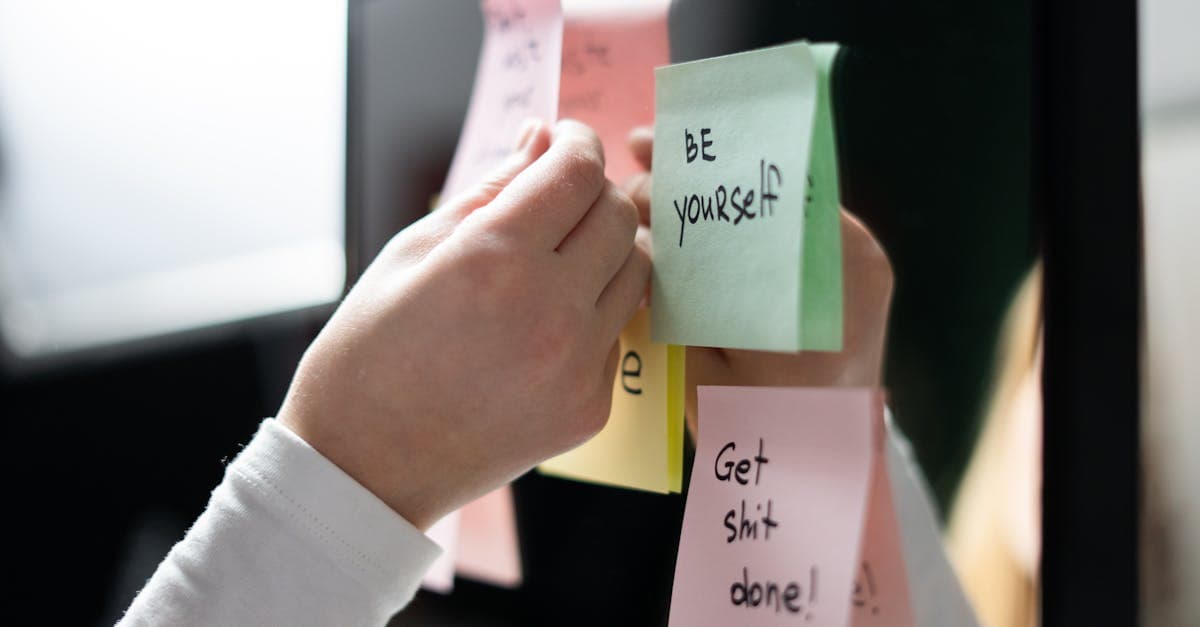
Journaling für die mentale Gesundheit: So startest du ein Tagebuch
Read in English
Manchmal fühlt sich der Kopf an wie ein Browser mit 47 offenen Tabs. Gedanken kreisen, Sorgen mischen sich mit To-dos, und abends liegst du wach, weil du nicht abschalten kannst. Journaling – also das regelmäßige Schreiben in ein Tagebuch – ist eine der einfachsten und wirksamsten Methoden, um mentale Klarheit zu gewinnen. Und das Beste: Du brauchst dafür nichts außer einem Stift und einem Blatt Papier.
Was Journaling mit deinem Gehirn macht
Journaling ist weit mehr als „Tagebuch schreiben wie als Teenager". Die Wissenschaft hat in den letzten Jahrzehnten immer wieder gezeigt, dass regelmäßiges Schreiben messbare Auswirkungen auf die psychische Gesundheit hat.
Der Psychologe James Pennebaker hat in seiner Forschung nachgewiesen, dass expressives Schreiben – also das Aufschreiben von Gedanken und Gefühlen – Stress reduziert, das Immunsystem stärkt und sogar depressive Symptome lindern kann. Der Mechanismus dahinter: Wenn du Gedanken aufschreibst, verarbeitest du sie anders als wenn sie nur in deinem Kopf kreisen. Du bringst Struktur in das Chaos, erkennst Muster und gewinnst Distanz.
Konkret kann Journaling dir helfen bei:
- Stressabbau: Das Aufschreiben belastender Gedanken reduziert ihre emotionale Intensität
- Selbsterkenntnis: Du erkennst wiederkehrende Muster in deinem Denken und Fühlen
- Problemlösung: Auf dem Papier findest du oft Lösungen, die im Kopf blockiert waren
- Emotionsregulation: Du lernst, Gefühle zu benennen und einzuordnen
- Besserer Schlaf: Abendliches Journaling hilft, den Kopf freizubekommen
Verschiedene Journaling-Methoden im Überblick
Es gibt nicht die eine richtige Art zu journalen. Hier sind die beliebtesten Methoden – probiere aus, was sich für dich am natürlichsten anfühlt.
Freies Schreiben (Morning Pages): Du schreibst morgens drei Seiten lang alles auf, was dir in den Kopf kommt. Ohne Filter, ohne Struktur, ohne Zensur. Diese Methode, bekannt geworden durch Julia Cameron, ist besonders gut, um mentalen Ballast loszuwerden.
Dankbarkeitstagebuch: Jeden Tag schreibst du drei bis fünf Dinge auf, für die du dankbar bist. Klingt simpel, verändert aber nachweislich deine Perspektive und steigert das Wohlbefinden.
Reflexionstagebuch: Am Abend reflektierst du den Tag. Was lief gut? Was war herausfordernd? Was habe ich gelernt? Diese Methode eignet sich besonders für Menschen, die an persönlichem Wachstum arbeiten wollen.
Bullet Journal: Eine strukturierte Methode, die Journaling mit Planung verbindet. Du nutzt Listen, Symbole und kurze Notizen, um deinen Tag zu organisieren und gleichzeitig zu reflektieren.
Prompt-basiertes Journaling: Du beantwortest jeden Tag eine vorgegebene Frage. Das macht den Einstieg leichter, wenn du nicht weißt, worüber du schreiben sollst. Beispiele: „Was hat mich heute überrascht?" oder „Was würde ich heute anders machen?"
So startest du dein Journaling in 5 Schritten
Schritt 1: Wähle dein Medium
Papier oder digital? Beides funktioniert. Studien deuten darauf hin, dass Handschreiben stärker mit emotionaler Verarbeitung verbunden ist. Aber wenn ein digitales Notizbuch bedeutet, dass du tatsächlich schreibst, ist das die bessere Wahl.
Schritt 2: Lege eine feste Zeit fest
Journaling funktioniert am besten als Gewohnheit. Morgens nach dem Aufstehen oder abends vor dem Schlafengehen sind die beliebtesten Zeitpunkte. Wähle einen Moment, der in deinen Alltag passt, und verknüpfe ihn mit einer bestehenden Gewohnheit – zum Beispiel nach dem Kaffee oder nach dem Zähneputzen.
Schritt 3: Starte klein
Du musst keine Romane schreiben. Fünf Minuten reichen völlig aus. Drei Sätze sind besser als null Sätze. Der häufigste Grund, warum Menschen mit dem Journaling aufhören, ist, dass sie sich zu viel vornehmen.
Schritt 4: Schreibe ohne Urteil
Dein Journal ist nur für dich. Es muss nicht schön klingen, grammatikalisch korrekt sein oder Sinn ergeben. Schreibe einfach, was kommt. Die Magie liegt im Prozess, nicht im Ergebnis.
Schritt 5: Bleib dran – auch wenn es sich sinnlos anfühlt
Die ersten Tage fühlen sich manchmal seltsam an. Das ist normal. Die meisten Menschen berichten, dass die positiven Effekte nach etwa zwei Wochen spürbar werden. Gib dir diese Zeit.
Journaling-Prompts für den Einstieg
Falls du vor dem leeren Blatt sitzt und nicht weißt, was du schreiben sollst, hier einige Fragen, die dich ins Schreiben bringen:
- Was beschäftigt mich gerade am meisten?
- Wofür bin ich heute dankbar?
- Was hat mich heute zum Lächeln gebracht?
- Was hat mich heute gestresst, und warum?
- Wenn ich mir selbst einen Rat geben könnte, welcher wäre es?
- Was möchte ich in den nächsten 30 Tagen erreichen?
- Welche Gewohnheit möchte ich ändern, und was hält mich davon ab?
- Was war der beste Moment meiner Woche?
- Welche Gedanken tauchen immer wieder auf?
- Was brauche ich gerade, um mich besser zu fühlen?
Du kannst jeden Tag denselben Prompt verwenden oder durchrotieren – ganz wie es sich für dich richtig anfühlt.
Journaling und Tracking: Warum die Kombination so stark ist
Journaling hilft dir, dein inneres Erleben festzuhalten. Aber wenn du zusätzlich trackst, wie du dich körperlich fühlst – wie du geschlafen hast, wie viel du dich bewegt hast, was du gegessen hast – entsteht ein viel vollständigeres Bild.
Vielleicht merkst du durch dein Journal, dass du an bestimmten Tagen besonders gestresst bist. Und wenn du gleichzeitig in getNudge siehst, dass du an diesen Tagen schlecht geschlafen oder dich kaum bewegt hast, erkennst du Zusammenhänge, die dir sonst entgangen wären.
Die Kombination aus Selbstreflexion und Daten-Tracking ist mächtig: Das Journal zeigt dir, wie du dich fühlst. Das Tracking zeigt dir, warum. Zusammen geben sie dir die Werkzeuge, um wirklich etwas zu verändern.
Häufige Hindernisse und wie du sie überwindest
„Ich habe keine Zeit." – Fünf Minuten. Das ist alles, was du brauchst. Wenn du fünf Minuten am Tag Social Media nutzt, hast du fünf Minuten zum Journalen.
„Ich weiß nicht, was ich schreiben soll." – Nutze die Prompts oben. Oder schreibe einfach: „Ich weiß nicht, was ich schreiben soll." Oft kommt danach etwas.
„Es bringt nichts." – Die Effekte sind oft subtil und brauchen Zeit. Lies nach zwei Wochen deine ersten Einträge – du wirst überrascht sein, wie viel sich verändert hat.
„Ich habe Angst, dass jemand es liest." – Bewahre dein Journal an einem sicheren Ort auf. Oder nutze eine passwortgeschützte App. Dein Journal ist dein privater Raum.
Journaling ist kein Allheilmittel, aber es ist eines der zugänglichsten Werkzeuge für deine mentale Gesundheit. Es kostet nichts, braucht wenig Zeit und kann tiefgreifende Veränderungen anstoßen.
Lade getNudge herunter und kombiniere Selbstreflexion mit datenbasierten Insights. Verstehe, wie Schlaf, Bewegung und Ernährung deine Stimmung beeinflussen – und nimm dein Wohlbefinden selbst in die Hand.
Tracke deine Gesundheit mit getNudge
getNudge hilft dir, die Zusammenhänge zwischen Ernährung, Schlaf und Wohlbefinden zu verstehen – mit personalisierten Nudges basierend auf deinen echten Daten.