Yoga for Beginners: The Best Poses to Get Started
Auf Deutsch lesen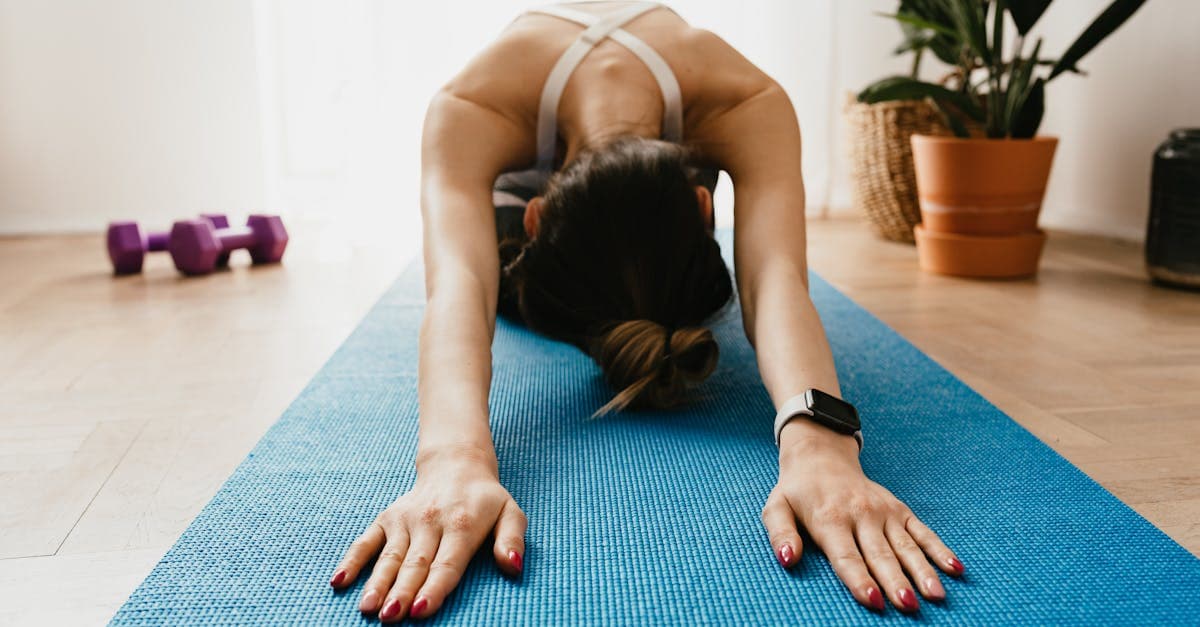
Yoga is far more than the acrobatic poses you see on social media. It is an ancient practice that connects body, mind, and breath -- and it is proven to improve flexibility, strength, sleep, and mental health. You do not need to be flexible or athletic to start. In fact, "I'm not flexible enough" is the most common reason people give for not trying yoga -- and it is simultaneously the best reason to begin.
Why Yoga? The Science-Backed Benefits
Yoga is not a trend. It is one of the most extensively researched forms of movement. The benefits are substantial:
- Flexibility and mobility: Just 8 weeks of regular yoga measurably improves range of motion
- Strength: Many yoga poses require significant muscular effort -- plank, warrior, boat pose
- Stress reduction: Yoga lowers cortisol and activates the parasympathetic nervous system
- Sleep quality: Studies show that yoga practitioners fall asleep faster and sleep more soundly
- Pain relief: Particularly for back pain, yoga shows excellent results
- Balance and coordination: Important for long-term health and aging well
- Mental clarity: The connection of breath and movement trains focus and mindfulness
What You Need to Get Started
The good news: almost nothing.
Essential:
- Comfortable clothing that allows freedom of movement
- A non-slip yoga mat (starting around $15)
- Enough space for your outstretched body (approximately 6 x 3 feet)
Optional but helpful:
- Yoga blocks: Help in poses where you cannot yet reach the floor
- Yoga strap: Assists with stretches when your flexibility is still limited
- Blanket or cushion: For meditation and relaxation poses at the end
Yoga styles for beginners:
- Hatha Yoga: Slow, foundational, ideal for newcomers
- Vinyasa Yoga: More flowing and dynamic -- good if you enjoy movement
- Yin Yoga: Very slow, long-held poses, focused on fascia and deep relaxation
- Avoid at first: Bikram/Hot Yoga, Ashtanga (intense and fast-paced)
The 10 Essential Yoga Poses for Beginners
Here are the fundamental poses every beginner should learn. Hold each pose for 5--8 breaths.
1. Child's Pose (Balasana) Kneel on the mat, sit back on your heels, fold forward, and extend your arms. Forehead to the floor. A resting position you can return to at any time.
2. Downward-Facing Dog (Adho Mukha Svanasana) Hands and feet on the floor, hips pressed upward, body forming an inverted V. Knees can be slightly bent. Stretches the entire back body.
3. Mountain Pose (Tadasana) Stand tall, feet together, arms at your sides. Sounds simple, but it is the foundation for all standing poses. Focus on body awareness and intentional standing.
4. Warrior I (Virabhadrasana I) Lunge position, back foot slightly turned out, arms reaching overhead. Strengthens legs and core, opens the hips.
5. Warrior II (Virabhadrasana II) Wide stance, front knee bent, arms extended to the sides, gaze over the front hand. Builds thigh strength and endurance.
6. Triangle (Trikonasana) Wide stance, one hand reaches toward the front foot (or shin), other hand extends upward. Stretches the sides of the torso and hamstrings.
7. Cat-Cow (Marjaryasana-Bitilasana) On hands and knees: round the back upward (cat), then arch it downward (cow). Mobilizes the spine and warms up the back.
8. Cobra (Bhujangasana) Lying face down, hands beside shoulders, gently lift the upper body. Strengthens the lower back and opens the chest. Let your back muscles do the work rather than pushing with your arms.
9. Bridge (Setu Bandhasana) Lying on your back, feet planted, lift the hips. Strengthens glutes and lower back, opens the thoracic spine.
10. Corpse Pose (Savasana) Lie flat on your back, arms and legs relaxed. The most important pose -- this is where your body integrates the effects of the practice. Five to 10 minutes at the end of every session.
A 20-Minute Beginner Yoga Routine
Here is a complete routine you can follow at home:
Warm-up (3 min):
- Seated position, close eyes, 5 deep breaths
- Neck circles (3 in each direction)
- Shoulder rolls (5 forward, 5 backward)
Main sequence (14 min):
- Cat-Cow: 8 repetitions
- Child's Pose: 5 breaths
- Downward-Facing Dog: 5 breaths
- Standing Forward Fold: 5 breaths
- Mountain Pose: 3 breaths
- Warrior I (right side): 5 breaths
- Warrior II (right side): 5 breaths
- Triangle (right side): 5 breaths
- Mountain Pose: 3 breaths
- Warrior I (left side): 5 breaths
- Warrior II (left side): 5 breaths
- Triangle (left side): 5 breaths
- Downward-Facing Dog: 5 breaths
- Cobra: 5 breaths
- Child's Pose: 5 breaths
- Bridge: 5 breaths (2 rounds)
Closing (3 min):
- Savasana: 2--3 minutes of quiet stillness
- Slowly rise, open your eyes
Common Beginner Mistakes
1. Comparing yourself to others. Yoga is not a competition. Every body is different. Your pose does not need to look like the picture or the person on the next mat.
2. Interpreting pain as progress. Stretch, yes. Pain, no. If something hurts, back off or modify the pose. Yoga should never hurt.
3. Forgetting to breathe. Breath is the heart of yoga. If you notice you are holding your breath, simplify the pose.
4. Wanting too much too soon. Advanced poses like headstands or splits come with time. Focus on the fundamentals first.
5. Skipping Savasana. The final relaxation is not an optional add-on -- it is one of the most important parts of the practice.
6. Practicing inconsistently. Three 20-minute sessions per week delivers more benefits than one 90-minute session. Consistency beats intensity.
Yoga influences your entire lifestyle -- from flexibility and sleep to stress management. To make these improvements visible, it helps to track your practice and well-being regularly.
Track your yoga practice and all your health data with getNudge. The app shows you how yoga affects your sleep quality, stress levels, and overall fitness -- with personalized insights that help you stay consistent. Download getNudge today and discover the transformative power of yoga.
Track your health with getNudge
getNudge helps you understand the connections between nutrition, sleep, and well-being – with personalized nudges based on your real data.