Weekly Meal Prep Guide: Save Time and Eat Healthy
Auf Deutsch lesen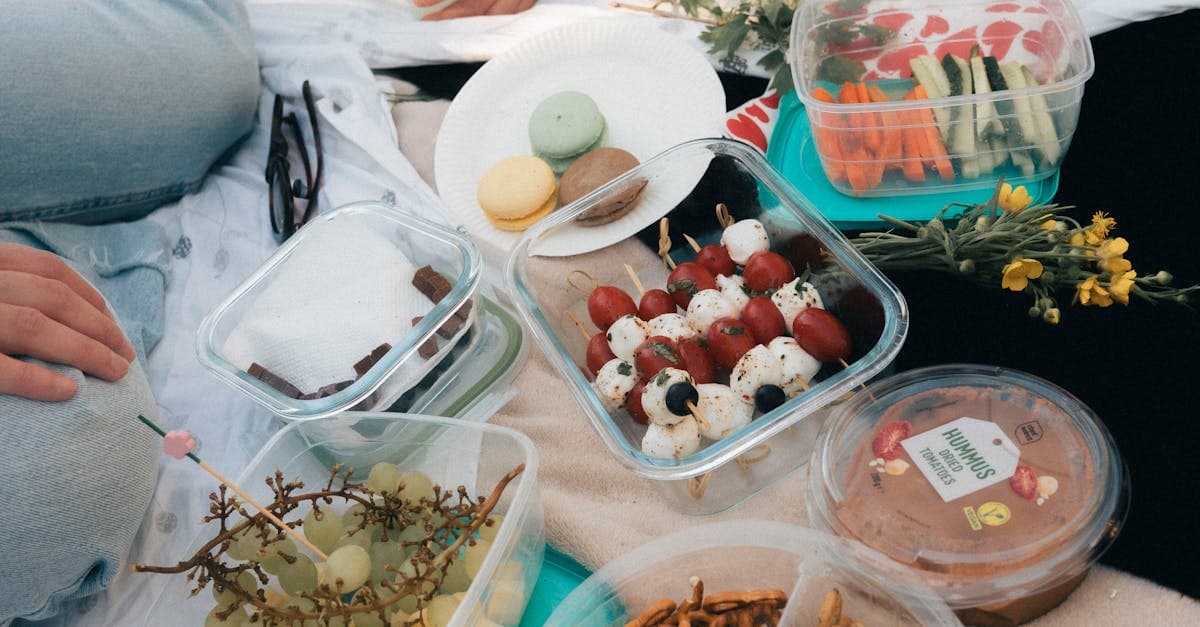
You want to eat healthy, but after a long day the last thing you want to do is cook. So you order takeout again, or reach for whatever is fastest. Sound familiar? Meal prep solves this problem at the root. By dedicating a few hours to preparing meals in advance, you eliminate daily cooking stress and always have a balanced meal ready to go. Here is how to make meal prep a sustainable part of your life.
Why Meal Prep Is More Than Just Batch Cooking
Meal prep is not about filling five identical containers with chicken and rice every Sunday. It is a system that lets you make thoughtful nutrition decisions in advance -- when you have time, energy, and perspective -- instead of making impulsive choices under pressure and hunger.
The benefits of meal prep:
- Time savings: 2--3 hours on the weekend replaces daily cooking and cleanup
- Money savings: You shop with a list, avoid impulse purchases, and waste less food
- Healthier choices: When a ready meal is waiting in the fridge, the temptation to eat junk drops significantly
- Better nutrient control: You know exactly what is in your food
- Less daily stress: No more "what should I cook tonight?"
- Portion control: You eat the right amount -- not too much, not too little
Research shows that people who plan and prepare their meals tend to have better overall diet quality, spend less on food, and rely less on fast food.
Step 1: Planning Makes Everything Easier
The most important part of meal prep happens before you turn on the stove.
How to plan your week:
-
Decide which meals to prep. You do not have to prepare every meal. Many people prep lunches and snacks -- meals where healthy eating is hardest -- and cook dinner fresh.
-
Choose 3--4 recipes per week. More variety sounds appealing but makes prep more complex. Three to four recipes give you enough variation without overwhelm.
-
Aim for balanced meals. Each meal should include:
- A protein source (chicken, tofu, eggs, legumes)
- Complex carbohydrates (rice, quinoa, sweet potatoes, whole grain pasta)
- Vegetables (at least half the plate)
- Healthy fats (olive oil, avocado, nuts)
-
Write a shopping list. Based on your recipes -- and stick to it. No improvising at the store.
Step 2: Shop Strategically
Efficient shopping saves both time and money:
- Buy staples in bulk: Rice, oats, pasta, frozen vegetables, canned beans
- Seasonal produce is cheaper and tastier: Adjust your recipes to what is in season
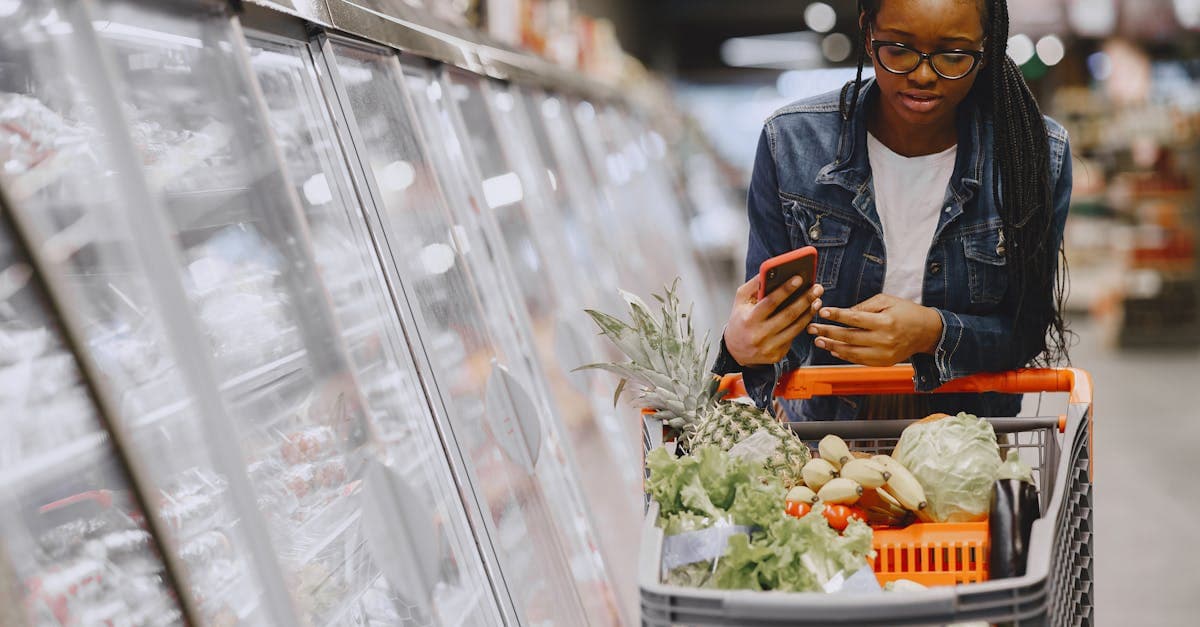
- Frozen vegetables are an excellent option: They are flash-frozen at peak ripeness and often contain more nutrients than "fresh" produce that has been sitting on shelves for days
- Stock up on protein when it is on sale: Chicken breast or salmon on discount? Buy extra and freeze the surplus
Budget tip: A typical meal prep for 5 lunches costs between $15 and $30 -- significantly less than five days of buying lunch at work or ordering delivery.
Step 3: Prep Day Execution
Sunday works best for most people. Plan for 2--3 hours.
An efficient prep workflow:
- Start with what takes longest: Put rice on the stove, preheat the oven, get sweet potatoes roasting
- Chop all vegetables at once: Use the waiting time to prep ingredients
- Cook in parallel: While rice cooks and vegetables roast, sear protein on the stovetop
- Batch cook: Make larger quantities of the same ingredients -- 2 pounds of chicken instead of half a pound
- Vary the seasoning: The same base (chicken and rice, for example) tastes completely different with different sauces and spices
Sample prep-day timeline:
| Time | Task | |---|---| | 0:00 | Preheat oven, start rice | | 0:05 | Chop vegetables, arrange on sheet pan | | 0:10 | Vegetables in oven, protein on stovetop | | 0:20 | Prepare second vegetable (stovetop/pot) | | 0:35 | Check everything, mix sauces/dressings | | 0:50 | Let food cool, portion out | | 1:10 | Fill containers, label them | | 1:30 | Clean kitchen |
Step 4: Storage and Shelf Life
Proper storage determines how long your food stays fresh and tasty:
Containers:
- Glass containers are ideal: odor-neutral, microwave-safe, sustainable
- BPA-free plastic containers work too, but replace them periodically
- Invest in quality containers -- they pay for themselves quickly
Refrigerator shelf life:
- Cooked chicken/fish: 3--4 days
- Cooked rice/pasta: 3--5 days
- Cooked vegetables: 3--5 days
- Salads (without dressing): 2--3 days
- Store dressings separately and add them right before eating
Freezing for longer storage:
- Freeze Thursday and Friday portions on Sunday, then thaw overnight in the fridge the day before
- Soups, stews, and curries freeze particularly well
- Label containers with the date and contents
Five Simple Meal Prep Recipes for Beginners
Here are five proven recipes that are easy to prepare and store well:
1. Chicken and Roasted Vegetable Bowl Sheet-pan roasted vegetables (bell peppers, zucchini, sweet potato) + grilled chicken + rice + tahini dressing
2. Coconut Lentil Curry Red lentils in coconut milk with tomatoes, spinach, and curry spices. Serve with rice or naan.
3. Greek Quinoa Salad Quinoa + cucumber + tomatoes + olives + feta + lemon-olive oil dressing
4. Turkey Chili Ground turkey with kidney beans, tomatoes, bell peppers, and corn. Freezes beautifully in individual portions.
5. Overnight Oats (for breakfast) Oats + milk or plant milk + yogurt + chia seeds + fruit. Prepare the night before, eat in the morning.
Adapting Meal Prep to Your Goals
Your meal prep strategy should reflect what you are working toward:
Building muscle:
- Higher protein per meal (40--50 g)
- Larger carbohydrate portions for training energy
- Snack prep: hard-boiled eggs, protein balls, Greek yogurt
Losing weight:
- More vegetables, fewer starchy carbohydrates
- Controlled portion sizes -- containers make this easy
- Prepare healthy snacks to prevent cravings
More sustained energy:
- Balanced macronutrient distribution
- Complex carbohydrates instead of simple sugars
- Plenty of fiber for stable blood sugar levels
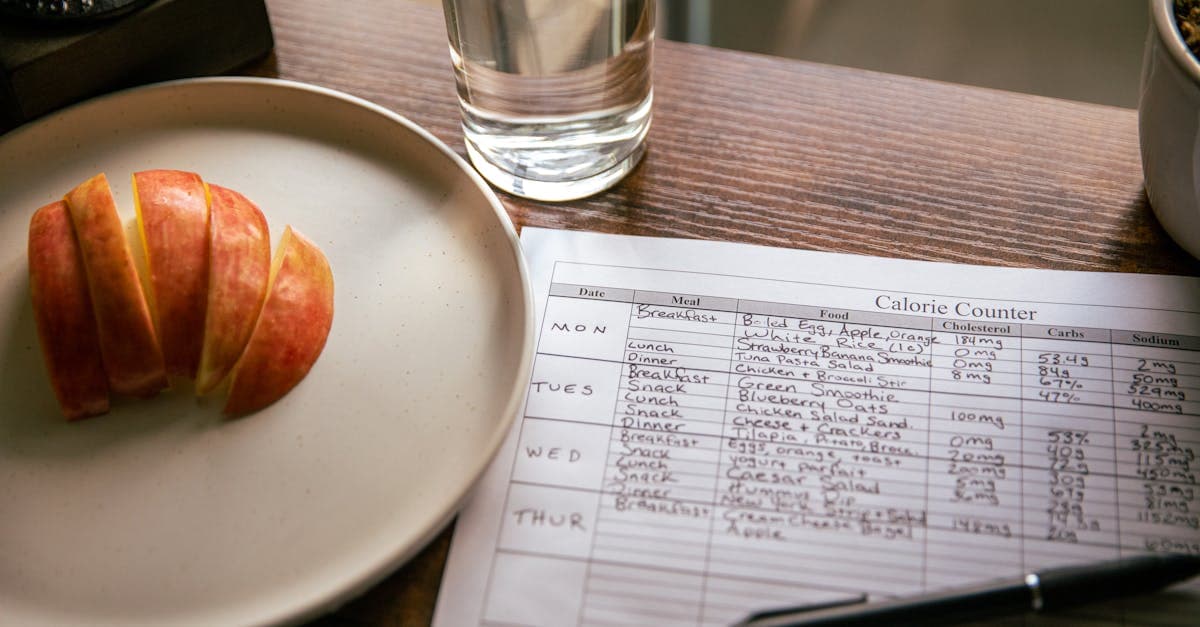
No matter what your goal is, the first step is knowing what you eat. And that becomes much easier when you track your meals consistently.
Use getNudge to track your meal-prepped meals and make sure you are hitting your nutrition targets. With AI-powered food tracking, you can instantly see whether your meals have the right balance of protein, carbs, and fats. Download getNudge today and make meal prep your secret weapon for healthier eating.
Track your health with getNudge
getNudge helps you understand the connections between nutrition, sleep, and well-being – with personalized nudges based on your real data.