How to Reduce Sugar Intake: Practical Tips for Everyday Life
Auf Deutsch lesen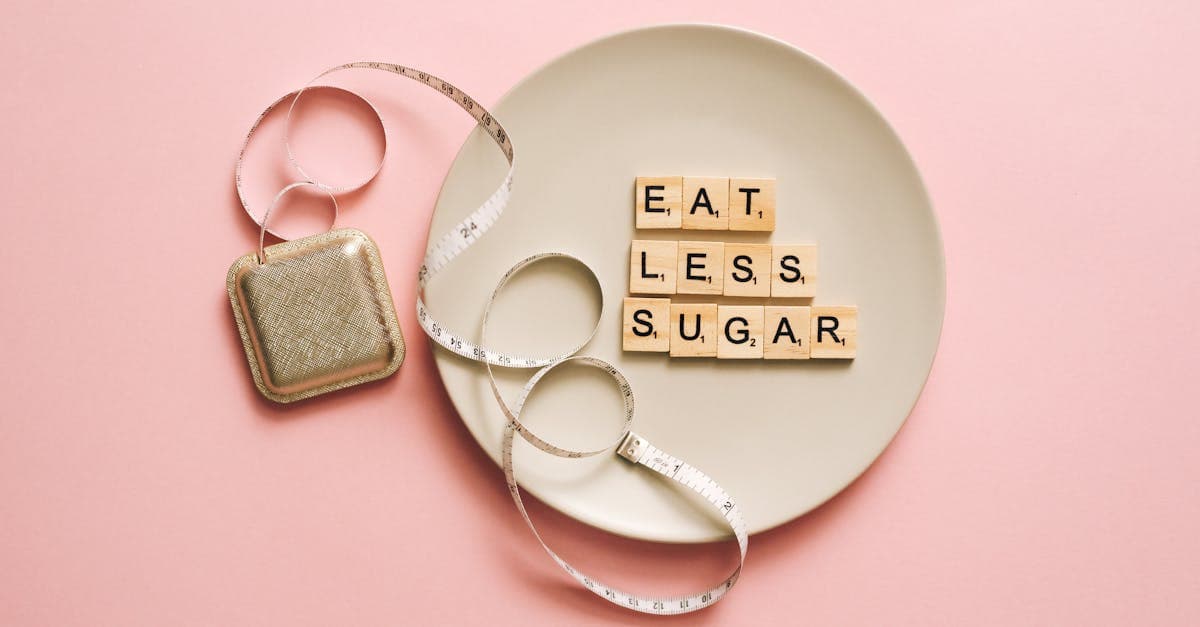
The average American consumes around 77 grams of added sugar per day — more than triple what the American Heart Association recommends. The problem isn't just the obvious sweets. A staggering amount of our sugar intake comes from foods we don't even think of as sweet: sauces, bread, yogurt, granola, and "healthy" smoothies. Excess sugar drives weight gain, inflammation, energy crashes, and increases the risk of heart disease, type 2 diabetes, and depression. But you don't need to go cold turkey. With the right strategies, you can gradually reduce your sugar intake while still enjoying your food.
What Sugar Actually Does to Your Body
Understanding the biology helps explain why cutting back matters so much.
When you eat sugar, your blood sugar spikes rapidly. Your pancreas responds by releasing insulin to shuttle that sugar into your cells. When this happens repeatedly throughout the day, your pancreas works overtime. Over years, this can lead to insulin resistance — the precursor to type 2 diabetes.
The blood sugar roller coaster: The rapid spike is followed by an equally rapid crash. The result: cravings, fatigue, brain fog, and mood swings. Most people respond by eating more sugar, and the cycle repeats.
Chronic inflammation: Excessive sugar consumption promotes low-grade inflammation throughout the body. This silent inflammation is linked to heart disease, cancer, Alzheimer's, and premature aging.
Liver stress: Fructose — one half of table sugar — is processed almost exclusively by the liver. When you consume too much, the liver converts the excess into fat. This can lead to non-alcoholic fatty liver disease, a condition that has become alarmingly common.
Addictive patterns: Sugar activates the same reward centers in the brain as alcohol and other addictive substances. The dopamine release feels good, and your brain wants to repeat the experience — a classic addiction loop.
Spotting Hidden Sugar
The sugar in candy, cake, and soda is obvious. But much of our sugar intake comes from unexpected sources.
Common sugar traps:
- Flavored yogurt: Up to 15 g of sugar per cup — nearly as much as a candy bar
- Granola and cereal: Often 20–30% sugar by weight, especially crunchy varieties
- Ketchup and sauces: One tablespoon of ketchup contains about 4 g of sugar
- Bread: Many commercial breads contain added sugar for flavor and browning
- Ready-made meals: Sugar is used as a flavor enhancer in almost everything packaged
- Smoothies and juice: A glass of orange juice contains as much sugar as a can of cola
- Granola bars: Marketed as healthy snacks, but often packing 10–15 g of sugar each
Sugar's many names: Sugar hides behind over 60 different terms on ingredient labels: sucrose, high-fructose corn syrup, dextrose, maltose, maltodextrin, cane juice, agave nectar, maple syrup, honey, rice syrup, barley malt. When multiple sugar names appear on one label, the total sugar content is usually higher than any single ingredient suggests.
Reading nutrition labels: Check the "added sugars" line. Anything over 10 g per 100 g is high sugar. Under 5 g per 100 g is considered low.
A Step-by-Step Plan for Cutting Sugar
Going cold turkey rarely works long term. A gradual approach is more sustainable and lets your taste buds adjust.
Weeks 1–2: Eliminate sugary drinks
This is the single most impactful change you can make. Replace soda, sweetened tea, juice, and flavored coffee drinks with water, unsweetened tea, or water infused with lemon and cucumber. This step alone can cut 30–50 g of sugar from your daily intake.
Weeks 3–4: Overhaul breakfast
Swap sweetened cereal for oatmeal with fresh fruit. Replace flavored yogurt with plain Greek yogurt and berries. Use cinnamon instead of sugar for natural sweetness.
Weeks 5–6: Upgrade your snacks
Replace candy bars and cookies with nuts, fresh fruit, plain yogurt, or dark chocolate (70% cacao or higher). Dark chocolate has less sugar and effectively curbs sweet cravings.
Weeks 7–8: Adjust cooking and baking
Reduce sugar in recipes by one-third to one-half — most dishes taste just as good. Use naturally sweet ingredients like ripe bananas or unsweetened applesauce in baking.
Ongoing: Shop with intention
Read ingredient lists, compare products, and choose the lower-sugar option. After a few weeks, this becomes automatic.
Natural Alternatives: An Honest Assessment
Many people replace sugar with supposedly healthier alternatives. Here's what actually holds up.
Recommended:
- Fresh fruit: Contains fructose, but packaged with fiber, vitamins, and water. The fiber slows sugar absorption and prevents blood sugar spikes.
- Cinnamon, vanilla, cardamom: These spices create a perception of sweetness without adding any sugar at all.
- Dark chocolate (70%+): Less sugar, more cacao, and genuinely healthy in small amounts.
Use with caution:
- Honey and maple syrup: They contain trace minerals, but metabolically they behave almost identically to sugar. Fine in small amounts, but not a health food.
- Agave nectar: Extremely high in fructose, which burdens the liver. Not better than sugar despite its healthy marketing.
- Coconut sugar: Marketed as a superior alternative, but has nearly the same calorie content and glycemic impact as regular sugar.
Artificial sweeteners: Stevia, erythritol, and monk fruit extract have few to no calories and minimal impact on blood sugar. Long-term effects on gut bacteria are still being studied. In moderation, they're a reasonable transitional tool.
Managing Sugar Cravings
When you cut back on sugar, expect cravings — especially in the first two weeks. This is normal and temporary. Your taste buds recalibrate within 2–4 weeks, and foods that once seemed bland will start tasting naturally sweet.
Include protein at every meal: Protein stabilizes blood sugar and keeps you full longer. Fewer blood sugar fluctuations mean fewer sugar cravings.
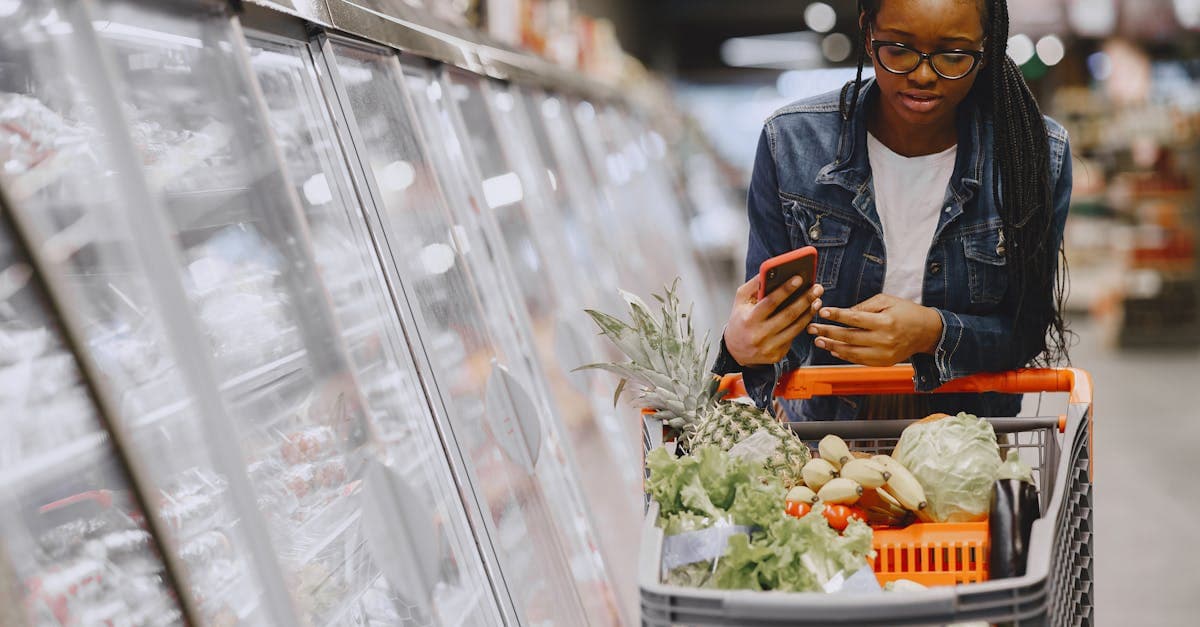
Never grocery shop hungry: Standing in a supermarket with an empty stomach is a recipe for filling your cart with sweet snacks. Plan your shopping after meals.
Don't ban sweets entirely: Prohibition creates desire. Allow yourself small, conscious portions — a square of dark chocolate after dinner is perfectly fine.
Prioritize sleep: Sleep deprivation increases ghrelin (the hunger hormone) and decreases leptin (the satiety hormone). The result: more cravings, especially for sugar and refined carbs.
Move your body: A short walk or a few stretches can effectively reduce acute sugar cravings. Exercise regulates blood sugar and provides a healthy distraction.
Take the first step toward less sugar with getNudge. The app helps you monitor your sugar intake, make better food choices, and build healthier habits over time. With AI-powered food tracking, you'll instantly see where hidden sugar lurks in your diet. Download getNudge today and start living a more sugar-conscious life.
Track your health with getNudge
getNudge helps you understand the connections between nutrition, sleep, and well-being – with personalized nudges based on your real data.