Nutrition for Athletes: What to Eat Before and After Workouts
Auf Deutsch lesen
What you eat around your workouts can make or break your performance. The right foods at the right time fuel your training, speed up recovery, and help your body adapt to the demands you place on it. Yet many active people either skip meals before exercising, grab whatever is convenient afterward, or overthink the entire process. This guide cuts through the noise and gives you practical, evidence-based strategies for eating before and after exercise — no matter what sport you do.
Why Workout Nutrition Matters
Your body runs on fuel, and that fuel comes from food. During exercise, your muscles burn through glycogen — stored carbohydrates — at a rapid rate. The harder you train, the more glycogen you use. At the same time, intense exercise creates microscopic tears in muscle fibers that need to be repaired.
Pre-workout nutrition ensures your tank is full before you start. Post-workout nutrition provides the raw materials your body needs to rebuild stronger. Skip either one, and you're leaving performance gains on the table.
Research consistently shows that strategic nutrient timing can improve exercise performance by 10–20 percent, reduce muscle soreness, and accelerate recovery between sessions. This doesn't mean you need complicated meal plans or expensive supplements. It means paying attention to a few key principles and making them work within your real life.
The good news is that workout nutrition is simpler than the fitness industry wants you to believe. A basic understanding of macronutrients and timing will get you 90 percent of the way there.
What to Eat Before a Workout
The goal of a pre-workout meal is straightforward: provide energy without weighing you down. What you eat and when you eat it both matter.
2–3 hours before training — a full meal:
This is your opportunity for a balanced plate with carbohydrates, moderate protein, and low fat. Think:
- Oatmeal with banana and a scoop of yogurt
- Whole grain toast with turkey and a side of fruit
- Rice with chicken and lightly seasoned vegetables
- Sweet potato with cottage cheese
30–60 minutes before training — a light snack:
If your last meal was several hours ago, a quick snack can top off your energy stores. Stick with easily digestible carbohydrates:
- A ripe banana
- A rice cake with honey
- A small fruit smoothie
- A handful of dried fruit
What to avoid: High-fat and high-fiber foods right before exercise. They slow digestion and can cause nausea, cramping, or that heavy feeling in your stomach. Large portions of protein also take longer to digest than carbohydrates, so save the steak for after.
A note on fasted training: Some athletes prefer training on an empty stomach, especially for low-intensity cardio. While this can increase fat oxidation, it often reduces the intensity you can sustain. For strength training or high-intensity sessions, eating beforehand is almost always the better choice.
Optimal Post-Workout Nutrition
After your workout, your body shifts into recovery mode. This is when the real adaptation happens — your muscles repair, your glycogen stores refill, and your body gets stronger. What you eat in this window directly influences how well that process goes.
The timing question: The famous "anabolic window" of 30 minutes post-exercise has been somewhat overhyped. Current research suggests that eating a proper meal within two hours after training is sufficient for most people. However, if you trained fasted or haven't eaten in several hours, getting nutrients in sooner is beneficial.
Your post-workout meal should include:
- Carbohydrates to replenish glycogen (0.5–1 g per kg of body weight)
- Protein for muscle repair (20–40 g)
- Fluids and electrolytes to replace what you lost through sweat
Great post-workout meal ideas:
- Greek yogurt with berries and granola
- Grilled chicken with rice and roasted vegetables
- Whole wheat wrap with tuna and mixed greens
- Scrambled eggs on whole grain toast with avocado
- A protein smoothie with banana, oats, and milk
The key is combining quality carbohydrates with a solid protein source. Skip the processed options when you can — whole foods deliver the micronutrients your body needs for complete recovery.
Tailoring Nutrition to Your Sport
Different activities place different demands on your body, and your nutrition should reflect that.
Endurance sports (running, cycling, swimming):
Carbohydrates are king. For sessions lasting over 60 minutes, you may need to consume carbs during exercise — energy gels, bananas, or sports drinks can help maintain blood sugar levels. Before major events, carb-loading in the 24–48 hours prior (8–10 g of carbs per kg of body weight) can boost glycogen stores.
Strength training:
Protein takes center stage. Aim for 1.6–2.2 g of protein per kilogram of body weight daily for optimal muscle growth. But don't neglect carbohydrates — they fuel your heavy sets and support recovery. Creatine monohydrate is one of the few supplements with strong scientific support for strength athletes.
Team and racket sports:
These combine endurance with bursts of explosive power. A balanced approach with adequate carbohydrates and protein works best. Hydration is especially critical since frequent direction changes and high-intensity phases generate significant sweat losses.
HIIT and CrossFit-style training:
High-intensity interval training burns through glycogen fast. A carb-rich meal 2–3 hours before is particularly important. Post-workout, prioritize a mix of fast-digesting carbs and protein to kickstart recovery.
Hydration: The Performance Factor Most People Overlook
Water is arguably the most important nutrient for athletic performance, yet it's the one most often neglected. Losing just 2 percent of your body weight in fluid can measurably impair strength, endurance, and cognitive function.
Before exercise: Drink 400–600 ml of water in the two hours leading up to your workout. Check your urine color — pale yellow indicates good hydration.
During exercise: For sessions under 60 minutes, water is usually sufficient. For longer or very intense workouts, consider a sports drink that provides sodium and other electrolytes.
After exercise: Aim to drink about 1.5 liters for every kilogram of body weight lost during training. Weighing yourself before and after exercise gives you a reliable estimate of fluid loss.
Electrolytes matter: Sodium, potassium, magnesium, and calcium are all lost through sweat. A balanced diet typically covers your needs, but during long sessions in hot conditions, supplemental electrolytes can help prevent cramping and maintain performance.
Practical Tips for Busy Athletes
Knowing what to eat is one thing. Actually doing it consistently is another. Here are strategies that make athlete nutrition work in real life.
Meal prep on weekends: Cook large batches of rice, chicken, roasted vegetables, and legumes. Portion them into containers for the week. Having ready-made meals eliminates the excuse of "I didn't have time to eat properly."
Keep emergency snacks handy: Stash a banana, some nuts, a protein bar, or rice cakes in your gym bag. This prevents you from training on empty or hitting the drive-through on the way home.
Listen to your body: Everyone tolerates different foods differently before exercise. What works for your training partner might cause you stomach issues. Experiment during training — never try new foods on race day.
Keep it simple: You don't need exotic superfoods, specialty supplements, or elaborate recipes. Whole grains, lean protein, fruits, vegetables, and healthy fats cover almost everything an athlete needs.
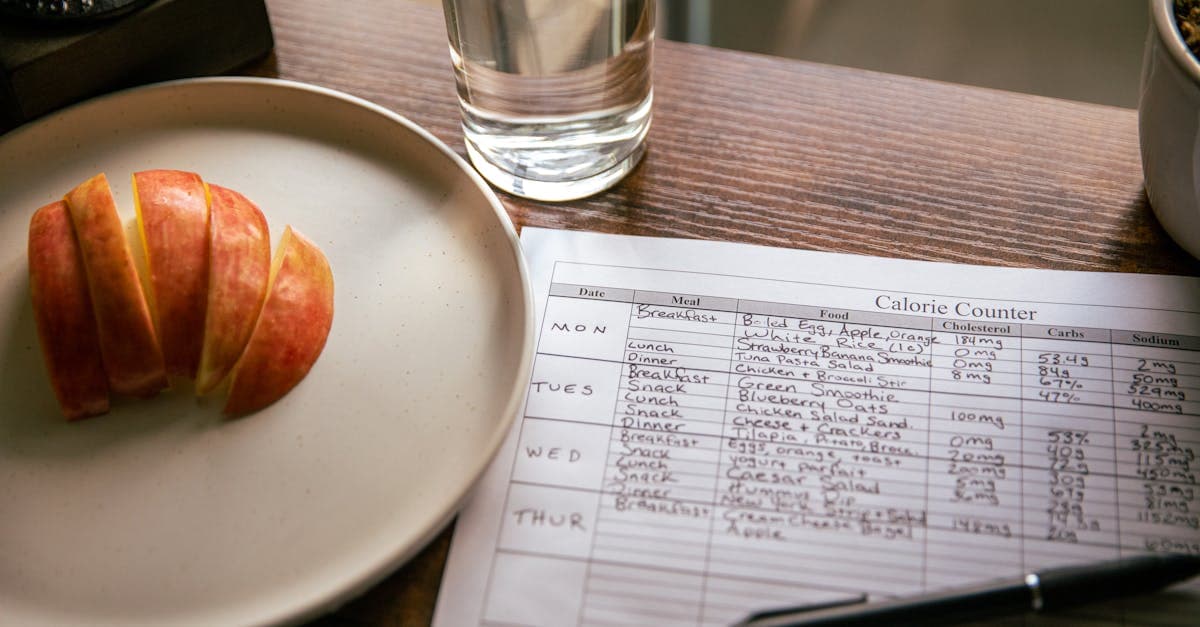
Track what you eat: Especially when you're starting out, logging your meals helps you understand whether you're actually hitting your targets. After a few weeks, you'll develop an intuitive sense for proper portions and timing.
Start optimizing your workout nutrition with getNudge. The app's AI-powered food tracking shows you exactly how your meals align with your training — and provides personalized recommendations for better performance and faster recovery. Download getNudge today and take your athletic nutrition to the next level.
Track your health with getNudge
getNudge helps you understand the connections between nutrition, sleep, and well-being – with personalized nudges based on your real data.