How Much Water Should You Drink Daily? The Complete Guide
Auf Deutsch lesen
"Drink more water" -- you have heard it a thousand times. But how much is actually enough? Is the 8-glasses-a-day rule real? What happens when you are chronically under-hydrated? This guide separates hydration myths from facts and gives you actionable strategies to stay properly hydrated every day.
Why Water Is Fundamental to Your Health
Your body is approximately 60% water. Water participates in virtually every physiological process:
- Nutrient transport: Water carries nutrients to your cells and waste products away
- Temperature regulation: Sweating and evaporation keep your body temperature stable
- Joint lubrication: Synovial fluid in your joints is water-based
- Digestion: From saliva production to intestinal motility, everything requires water
- Brain function: Your brain is roughly 75% water. Even mild dehydration impairs concentration and mood
- Detoxification: Your kidneys filter approximately 45 gallons (180 liters) of blood daily -- they need adequate fluid to function
A fluid loss of just 1--2% of your body weight can produce noticeable effects: headaches, fatigue, reduced concentration, and decreased physical performance.
How Much Water Do You Actually Need?
The commonly cited "8 glasses a day" rule is an oversimplification. Your actual needs depend on numerous factors:
Baseline recommendations for adults:
- Women: approximately 2.0--2.7 liters (68--91 oz) of total fluid per day (including water from food)
- Men: approximately 2.5--3.7 liters (85--125 oz) of total fluid per day (including water from food)
Roughly 20--30% of your daily fluid intake comes from food (fruits, vegetables, soups). The rest should come from beverages.
Factors that increase your needs:
- Exercise: Add 500--1000 ml (17--34 oz) per hour of intense training
- Heat and sweating: Hot weather can significantly increase requirements
- Altitude: At higher elevations, you lose more moisture through respiration
- Illness: Fever, diarrhea, or vomiting substantially increase fluid needs
- Breastfeeding: Nursing mothers need approximately 500--700 ml (17--24 oz) additional fluid
- Body weight: Heavier individuals generally need more fluid
A practical formula: 0.5 oz per pound of body weight (or 30--35 ml per kg). For a 154-pound (70 kg) person, that is roughly 2.1--2.45 liters of pure drinking water per day.
Signs You Are Not Drinking Enough
Your body has a built-in warning system -- you just need to learn how to read it:
Early signs (mild dehydration):
- Dark-colored urine (goal: pale straw yellow)
- Feeling thirsty (if you are thirsty, you are already mildly dehydrated)
- Dry mouth and lips
- Mild headaches
- Difficulty concentrating
- Afternoon fatigue
Advanced signs:
- Very dark urine or infrequent urination
- Dizziness when standing up
- Dry, less elastic skin (skin pinch test)
- Rapid heart rate
- Muscle cramps
The urine check: The simplest indicator of your hydration status is urine color. Pale straw yellow is ideal. Clear as water may mean you are overhydrating. Dark yellow to amber suggests dehydration.
Practical Strategies for Better Hydration
Knowing how much to drink is step one. Actually doing it is step two. Here are proven strategies:
1. Start your day with water. Drink 10--16 oz (300--500 ml) immediately after waking. After 7--8 hours of sleep, you are dehydrated. A large glass of water jumpstarts your metabolism and provides an instant energy boost.
2. Keep a water bottle with you always. When water is within arm's reach, you drink more automatically. Invest in a bottle you enjoy using and take it everywhere.
3. Set reminders. Use hourly phone reminders or time-marked water bottles (e.g., "finish by 10 AM," "finish by 12 PM").
4. Drink before and after every meal. A glass of water before eating is an easy habit to build. It also supports digestion and can help naturally regulate portion sizes.
5. Add flavor if plain water bores you.
- Add lemon, cucumber, or mint to your water
- Unsweetened herbal teas count too
- Prepare infused water overnight
6. Eat water-rich foods. Certain foods have exceptionally high water content:
- Cucumber: 96% water
- Watermelon: 92% water
- Tomatoes: 94% water
- Zucchini: 95% water
- Strawberries: 91% water
Caffeine, Alcohol, and Other Beverages
Not all drinks hydrate equally. Here are the key differences:
Coffee and tea: Contrary to popular belief, coffee does not dehydrate you. The diuretic effect of caffeine is mild, and the water content in coffee far outweighs it. Up to 3--4 cups of coffee per day can count toward your fluid intake. However, caffeine should not be your primary fluid source.
Alcohol: Alcohol is genuinely dehydrating. It suppresses antidiuretic hormone (ADH), leading to increased urination. When you drink alcohol, always drink water alongside it -- ideally one glass of water per alcoholic beverage.
Juices and soft drinks: They technically provide fluid, but their high sugar content makes them a poor choice. An occasional glass of orange juice is fine, but these should not be your main hydration source.
Milk: Interestingly, research shows that milk hydrates particularly well due to its combination of water, proteins, and electrolytes -- even more effectively than plain water in some studies.
Common Hydration Myths Debunked
Myth 1: "You must drink exactly 8 glasses of water per day." False. Your needs are individual and depend on body weight, activity level, climate, and diet. There is no magic number.
Myth 2: "If you are not thirsty, you are hydrated enough." Not quite. The thirst mechanism works well but is not perfect -- especially in older adults or during gradual dehydration. Regular sipping is better than waiting for thirst.
Myth 3: "More water is always better." False -- and potentially dangerous. Excessive water intake (hyponatremia) can dangerously lower blood sodium levels. This is rare but occurs in endurance athletes who drink large volumes of water without electrolytes.
Myth 4: "Drinking water with meals dilutes stomach acid." Unsupported. Moderate amounts of water with meals do not impair digestion. In fact, they may support nutrient absorption.
Myth 5: "Cold water burns calories." Technically yes -- your body expends energy warming the water. But the effect is so minimal (about 8 calories per glass) that it is practically insignificant.
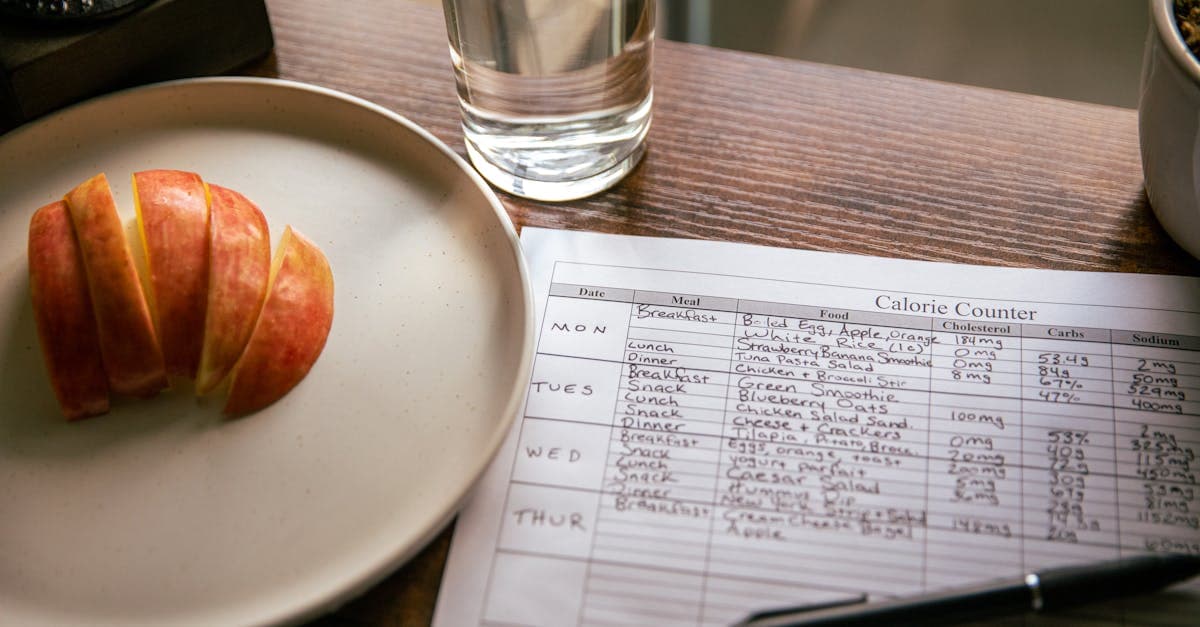
Tracking your fluid intake helps you develop an intuitive sense of how much you actually need -- and whether your hydration correlates with your energy, sleep quality, and daily performance.
Use getNudge to track your hydration alongside nutrition, exercise, and sleep. The app shows you how water intake influences your daily life and offers personalized insights to help you stay optimally hydrated. Download getNudge today and give your body what it needs.
Track your health with getNudge
getNudge helps you understand the connections between nutrition, sleep, and well-being – with personalized nudges based on your real data.