High-Protein Diet for Muscle Building: The Ultimate Guide
Auf Deutsch lesen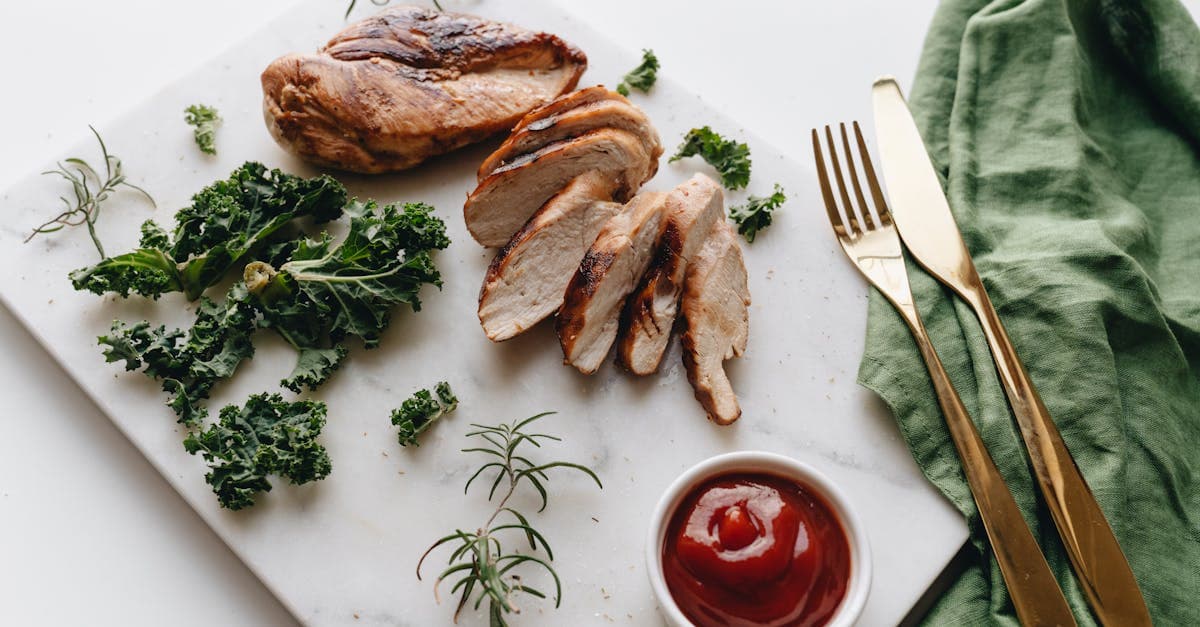
You can lift all the weights you want, but without enough protein, your muscles simply won't grow. Protein provides the raw materials your body needs to repair and build muscle tissue after every workout. But how much do you actually need? What are the best sources? And does meal timing really matter? This guide covers everything you need to know about building a high-protein diet for muscle growth.
The Science Behind Protein and Muscle Growth
When you train with resistance, you create microscopic tears in your muscle fibers. Your body repairs these tears through a process called muscle protein synthesis (MPS), using amino acids from the protein you eat. Over time, this repair process makes your muscles bigger and stronger.
There are 20 amino acids, 9 of which are essential -- meaning your body cannot produce them on its own. Among these, leucine plays a particularly critical role. It activates the mTOR pathway, which is essentially the "on switch" for muscle protein synthesis. This is why protein sources rich in leucine tend to be especially effective for muscle building.
Without adequate protein intake, your body still gets the training stimulus, but it lacks the building blocks to fully respond. The result is slower progress, longer recovery times, and potentially even muscle loss during periods of intense training or caloric restriction.
How Much Protein Do You Actually Need?
The optimal protein intake depends on your body weight, training intensity, and goals. Here is what the research suggests:
- Sedentary adults: 0.8 g per kg of body weight (basic RDA)
- Recreational exercisers: 1.2--1.4 g per kg of body weight
- Active muscle building: 1.6--2.2 g per kg of body weight
- During a caloric deficit: 2.0--2.4 g per kg to minimize muscle loss
For a 170-pound (77 kg) person focused on building muscle, that translates to roughly 123--170 g of protein per day. While that may sound like a lot, it is entirely achievable with thoughtful meal planning.
One important note: research consistently shows diminishing returns beyond about 2.2 g per kg of body weight. Your body can use excess protein for energy, but it will not convert it into extra muscle. Spending money on massive protein intake beyond this threshold is unlikely to give you additional results.
Best Protein Sources for Muscle Growth
Not all protein is created equal. Two key factors determine quality: the amino acid profile and bioavailability -- how efficiently your body can absorb and use the protein.
Animal-Based Protein Sources (high bioavailability):
- Chicken breast: ~31 g protein per 100 g, lean and versatile
- Eggs: ~13 g protein per 100 g, complete amino acid profile
- Greek yogurt: ~10 g protein per 100 g, also supports gut health
- Salmon: ~20 g protein per 100 g, with valuable omega-3 fatty acids
- Lean beef: ~26 g protein per 100 g, rich in iron and zinc
- Cottage cheese: ~11 g protein per 100 g, slow-digesting casein
Plant-Based Protein Sources:
- Lentils: ~9 g protein per 100 g (cooked), high in fiber
- Chickpeas: ~8 g protein per 100 g (cooked), incredibly versatile
- Tofu: ~15 g protein per 100 g, complete amino acid profile
- Tempeh: ~19 g protein per 100 g, fermented and nutrient-dense
- Oats: ~13 g protein per 100 g, perfect for breakfast
- Peanut butter: ~25 g protein per 100 g, calorie-dense
Tip for plant-based eaters: Combine different protein sources throughout the day to ensure you get all essential amino acids. Classic combinations like rice and beans or hummus and whole wheat pita complement each other's amino acid profiles perfectly.
Protein Timing: Does It Really Matter?
For years, the fitness world obsessed over the "anabolic window" -- the idea that you must consume protein within 30 minutes after training or lose out on gains. Current research paints a more nuanced picture.
What the evidence actually shows:
- Even distribution matters most: Spread your protein across 3--5 meals throughout the day. Your body can optimally use about 25--40 g of protein per meal for muscle protein synthesis.
- Pre-workout nutrition: A protein-containing meal 2--3 hours before training ensures amino acids are available during your workout.
- Post-workout window: Consuming 20--40 g of protein within about 2 hours after training supports recovery, but the window is much wider than previously thought.
- Before bed: Slow-digesting protein like casein (found in cottage cheese or Greek yogurt) before sleep can enhance overnight muscle protein synthesis.
Sample daily protein distribution (150 g total):
| Meal | Protein | |---|---| | Breakfast (oats with Greek yogurt) | 35 g | | Lunch (chicken stir-fry with rice) | 40 g | | Afternoon snack (cottage cheese with nuts) | 25 g | | Dinner (salmon with vegetables) | 35 g | | Evening snack (protein smoothie) | 15 g |
The key takeaway: total daily protein intake matters far more than precisely when you eat it. Focus on hitting your daily target consistently.
Protein Supplements: Necessary or Optional?
Protein powder is not a magic supplement. It is simply a convenient, concentrated source of protein. You absolutely do not need it if you can meet your protein goals through whole foods, but it can be a practical tool.
When protein powder makes sense:
- When whole food meals are not practical (traveling, busy schedule)
- As a quick post-workout option when you cannot eat a full meal
- When you struggle to hit your daily protein target through food alone
Common types of protein powder:
- Whey protein: Rapidly absorbed, ideal post-workout
- Casein: Slowly absorbed, great before bed
- Plant-based blends (pea, rice, soy): Good options for vegans and those with dairy sensitivities
What to look for: Choose products with a short ingredient list and minimal artificial additives. And remember: supplements complement a good diet -- they never replace one.
Common Mistakes That Sabotage Your Gains
Even with the best intentions, many people make avoidable errors when trying to eat more protein:
1. Loading all protein into one meal. Your body has a ceiling for how much protein it can use for MPS at once. Eating 80 g in one sitting is not twice as effective as 40 g. Spread it out.
2. Ignoring other macronutrients. Protein is essential, but carbohydrates fuel your workouts and fats are critical for hormonal health (including testosterone production). A balanced approach always wins.
3. Not eating enough total calories. To build muscle, you typically need a slight caloric surplus (about 200--500 calories above maintenance). Even with perfect protein intake, building significant muscle in a deficit is extremely difficult for most people.
4. Forgetting about micronutrients. Vitamins and minerals play crucial roles in muscle recovery and protein metabolism. Make sure you are eating plenty of fruits, vegetables, and whole foods alongside your protein sources.
5. Lacking consistency. Muscle building is a long game. Having one high-protein day does not compensate for a week of poor nutrition. What matters is what you do consistently over weeks and months.
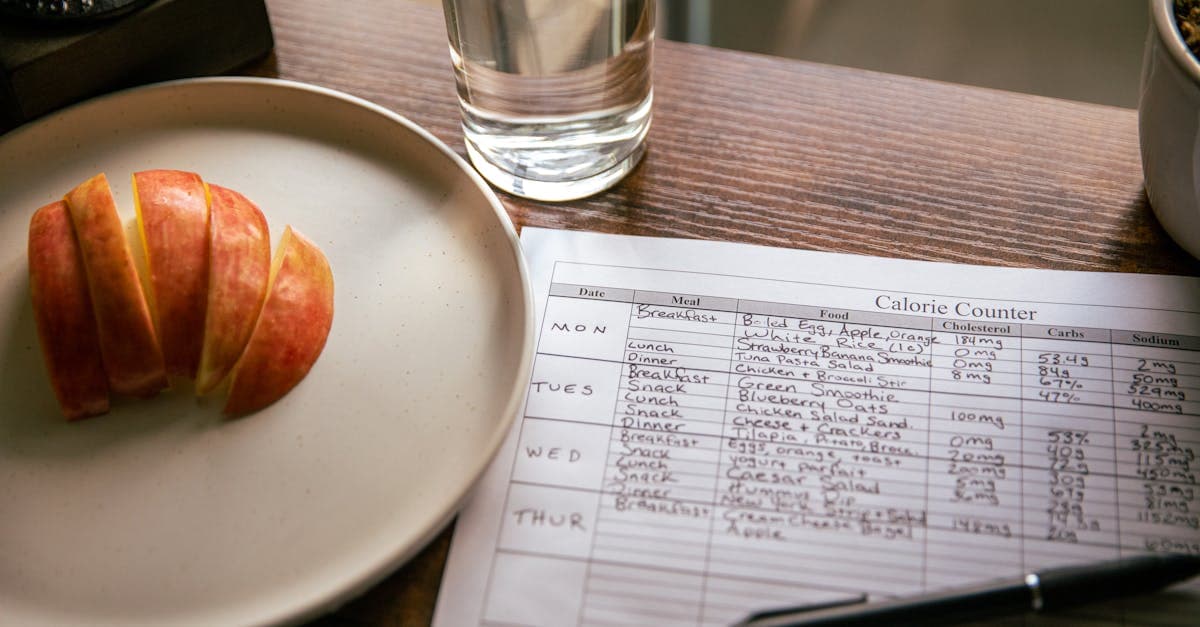
Tracking your nutrition is one of the most effective ways to catch these mistakes early and make informed adjustments to your diet.
Start using getNudge to track your protein intake, calories, and all essential nutrients. With AI-powered food tracking and personalized insights, getNudge helps you dial in your nutrition for maximum muscle growth. Download getNudge today and take your nutrition to the next level.
Track your health with getNudge
getNudge helps you understand the connections between nutrition, sleep, and well-being – with personalized nudges based on your real data.