Improve Gut Health: The Best Foods for a Healthy Microbiome
Auf Deutsch lesen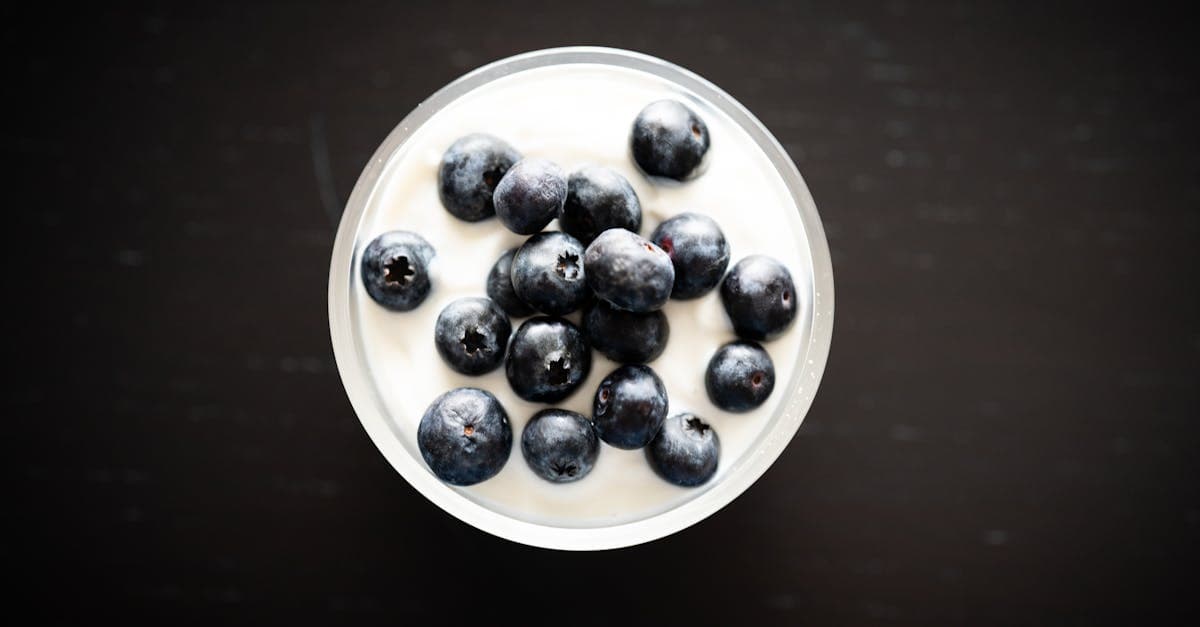
Your gut is far more than a digestive organ. It houses trillions of microorganisms that collectively form your microbiome — a complex ecosystem that influences your immune system, your mood, your energy levels, and even your weight. The exciting part is that what you eat has a profound and rapid impact on this inner ecosystem.
The Gut-Body Connection: Why Your Microbiome Matters
Scientists often call the gut the "second brain," and the label is well earned. Through the gut-brain axis, your intestinal microbiome constantly communicates with your central nervous system. About 70 percent of your immune cells reside in your gut, and roughly 95 percent of your body's serotonin — the neurotransmitter tied to mood and well-being — is produced there.
A healthy microbiome is characterized by diversity: the more different species of beneficial bacteria you harbor, the more resilient your system becomes. This diversity helps your body absorb nutrients efficiently, regulate inflammation, and defend against pathogens.
When this balance is disrupted — through poor diet, chronic stress, or antibiotic use — the consequences can ripple across your entire body. Digestive issues, skin problems, brain fog, weakened immunity, and even mood disorders have all been linked to an impaired microbiome.
The most powerful lever you have to shape your gut health is your diet. And the changes you make today can shift your microbiome composition in as little as a few days.
Fiber: The Most Important Nutrient for Your Gut
Dietary fiber is the single most impactful nutrient for a healthy gut. Your beneficial bacteria feed on fiber and produce short-chain fatty acids like butyrate in the process — compounds that reduce inflammation, strengthen your intestinal lining, and support immune function.
Most health organizations recommend at least 25–30 grams of fiber per day, yet the average adult barely reaches half that amount.
Top fiber-rich foods to prioritize:
- Legumes: Lentils, chickpeas, and black beans pack 10–15 grams of fiber per cooked cup. They're also affordable and incredibly versatile.
- Whole grains: Oats, barley, quinoa, and brown rice provide significantly more fiber than their refined counterparts.
- Vegetables: Broccoli, artichokes, Brussels sprouts, and sweet potatoes are particularly fiber-dense.
- Fruits: Berries, apples (with the skin), pears, and kiwis deliver both fiber and beneficial polyphenols.
- Nuts and seeds: Flaxseeds, chia seeds, and almonds are concentrated fiber sources that double as healthy fat providers.
A word of caution: If you're currently eating a low-fiber diet, increase your intake gradually over two to three weeks. A sudden spike in fiber can cause bloating and discomfort. Drink plenty of water alongside your increased fiber intake to help things move smoothly.
Fermented Foods: Delivering Live Beneficial Bacteria
While fiber feeds the good bacteria already in your gut, fermented foods introduce live microorganisms that can directly enrich your microbiome.
A landmark Stanford study found that participants who ate six servings of fermented foods per day for ten weeks significantly increased their microbiome diversity and reduced markers of inflammation.
Fermented foods worth making a regular habit:
- Yogurt and kefir: Look for products labeled "live and active cultures." Avoid heavily sweetened varieties — plain is best.
- Sauerkraut: Choose raw, unpasteurized sauerkraut from the refrigerated section. The shelf-stable canned version has been heat-treated and contains no live bacteria.
- Kimchi: This Korean staple is packed with diverse bacterial strains and is easy to add as a side dish.
- Miso: A fermented soybean paste that works beautifully in soups, dressings, and marinades.
- Tempeh: Fermented soybeans with a firm texture — a great protein source and microbiome booster.
- Kombucha: A fermented tea beverage. Opt for varieties with low added sugar.
Aim for at least one serving of a fermented food each day. Variety matters here too — rotating between different fermented foods exposes your gut to a wider range of beneficial organisms.
Prebiotics: Targeted Fuel for Specific Bacteria
Prebiotics are a specialized subset of fiber that selectively promote the growth of particular beneficial bacterial strains. The most studied prebiotics include inulin, fructo-oligosaccharides (FOS), and galacto-oligosaccharides (GOS).
Foods especially rich in prebiotics:
- Garlic and onions: Among the richest sources of FOS, with additional antimicrobial properties
- Leeks and asparagus: Excellent sources of prebiotic fiber
- Jerusalem artichokes and chicory root: Top sources of inulin
- Slightly green bananas: Rich in resistant starch, a powerful prebiotic
- Oats: The beta-glucan in oats functions as a prebiotic
There's also a clever kitchen hack: when starchy foods like potatoes, rice, or pasta are cooked and then cooled, some of the starch converts into resistant starch. This resistant starch passes through your small intestine undigested and feeds bacteria in your colon. Cook a batch of rice or potatoes, refrigerate them, and enjoy them cold or gently reheated the next day.
What Harms Your Gut — and What to Minimize
Building a healthy microbiome isn't only about what you add. It's equally about reducing the things that damage your gut ecosystem.
Excess sugar and ultra-processed foods: Diets high in added sugar promote the growth of less desirable bacteria and yeasts. Ultra-processed foods often contain emulsifiers and additives that research suggests may compromise the intestinal lining.
Artificial sweeteners: Several studies indicate that certain artificial sweeteners can negatively alter microbiome composition. If you need a touch of sweetness, consider small amounts of honey, maple syrup, or simply letting your palate adjust to less sweet flavors.
Excessive alcohol: Regular alcohol consumption reduces microbiome diversity and can increase intestinal permeability — sometimes called "leaky gut."
Unnecessary antibiotics: Antibiotics are life-saving medicines, but they don't discriminate between harmful and beneficial bacteria. If you need a course of antibiotics, pay extra attention to fermented and fiber-rich foods afterward to help your microbiome recover.
Chronic stress and poor sleep: The gut-brain axis runs in both directions. Sustained stress and inadequate sleep directly impact your microbiome composition. Prioritizing stress management, exercise, and quality rest supports your gut health alongside everything else.
Building a Gut-Friendly Diet: A Practical Roadmap
The best approach to gut health isn't a short-term cleanse — it's a sustainable shift in your eating patterns. Here's a realistic timeline to get started:
Week 1–2: Add a fiber-rich component to every meal. Swap refined grains for whole grains. Snack on nuts and fruits instead of processed options. Aim for 25 grams of fiber daily.
Week 3–4: Introduce one fermented food into your daily routine. Morning yogurt, sauerkraut with lunch, or kefir as an afternoon snack all work well.
Week 5–6: Focus on variety. Research suggests aiming for 30 different plant foods per week — this includes vegetables, fruits, grains, legumes, nuts, seeds, herbs, and spices. Variety on your plate translates to diversity in your microbiome.
Ongoing: Pay attention to how your body responds. Everyone's microbiome is unique, so the foods that make one person thrive may not work the same way for you. Tracking what you eat alongside how you feel can reveal powerful personal insights.
getNudge makes it simple to track your nutrition and connect what you eat with how you feel. With AI-powered food tracking, the app helps you build gut-friendly habits and understand which foods work best for your body. Download getNudge today and start your journey to better gut health.
Track your health with getNudge
getNudge helps you understand the connections between nutrition, sleep, and well-being – with personalized nudges based on your real data.