Anti-Inflammatory Diet: Which Foods Actually Help
Auf Deutsch lesen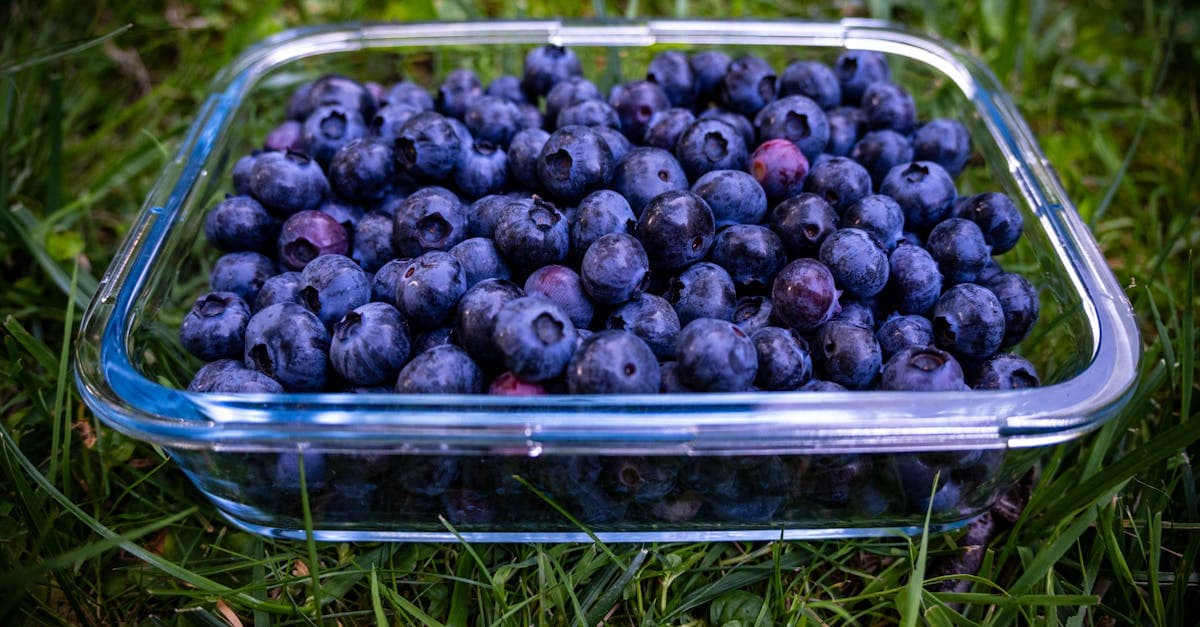
An anti-inflammatory diet isn't a short-term fad — it's one of the most powerful long-term strategies for protecting your health. Chronic low-grade inflammation is implicated in many of the most common diseases of our time, from cardiovascular disease and diabetes to autoimmune conditions and certain cancers. The encouraging reality is that your plate is one of the most potent tools you have to fight back.
What Defines an Anti-Inflammatory Diet
At its core, an anti-inflammatory diet prioritizes foods rich in compounds that suppress inflammatory pathways while minimizing foods that fuel inflammation. It's not a rigid set of rules with banned foods — it's a direction you steer your eating habits toward.
The principles are well-supported by science and align with many traditional eating patterns renowned for their health benefits — particularly the Mediterranean diet, widely regarded as the best-studied anti-inflammatory eating pattern.
The core principles:
- Abundant vegetables and fruits in a variety of colors (different antioxidants)
- Regular fatty fish for omega-3 fatty acids
- Healthy fats from olive oil, nuts, and avocado
- Whole grains instead of refined flour
- Legumes as a plant-based protein source
- Spices with anti-inflammatory properties
- Minimal added sugar, processed foods, and trans fats
The Most Powerful Anti-Inflammatory Foods
Fatty fish: Salmon, mackerel, sardines, and herring are the best natural sources of the omega-3 fatty acids EPA and DHA. These fatty acids inhibit the production of pro-inflammatory eicosanoids and promote the formation of resolvins — signaling molecules that actively help resolve inflammation. Aim for two to three servings per week.
Berries: Blueberries, raspberries, strawberries, and blackberries are rich in anthocyanins — a class of polyphenols with potent antioxidant and anti-inflammatory effects. Studies show that regular berry consumption can significantly reduce blood markers of inflammation.
Leafy greens: Spinach, kale, and Swiss chard deliver a wealth of vitamins, minerals, and phytonutrients. The carotenoids and flavonoids they contain have particularly strong anti-inflammatory properties.
Extra virgin olive oil: The oleocanthal in olive oil acts similarly to the anti-inflammatory drug ibuprofen. Two to three tablespoons daily — on salads, for cooking, or as a dip — is a simple and effective habit.
Turmeric and ginger: The curcumin in turmeric is one of the most intensively studied natural anti-inflammatory compounds. Combined with black pepper, its bioavailability increases dramatically. Ginger contains gingerols and shogaols with similarly powerful effects.
Nuts: Walnuts are particularly valuable, providing plant-based omega-3s (ALA) and polyphenols. Almonds, cashews, and pistachios also have anti-inflammatory properties. A handful per day is sufficient.
Tomatoes: Lycopene, the red pigment in tomatoes, has strong antioxidant properties. Interestingly, cooking makes lycopene more bioavailable — so tomato sauce and soup are especially beneficial.
Foods That Promote Inflammation
Adding anti-inflammatory foods is only half the equation. Reducing pro-inflammatory foods is equally important:
Sugar and sweets: High sugar consumption increases the production of pro-inflammatory cytokines and promotes the formation of AGEs (Advanced Glycation End Products), which damage tissues.
Ultra-processed foods: Ready meals, fast food, and packaged snacks often contain trans fats, refined oils, and additives that promote inflammatory responses.
Refined flour products: Refined carbohydrates cause blood sugar spikes that trigger inflammatory cascades. Whole grain versions are the better choice.
Excessive red and processed meat: Sausages, bacon, and heavily grilled meat contain heterocyclic amines and polycyclic aromatic hydrocarbons that can promote inflammation.
Industrial seed oils in excess: Sunflower, safflower, and soybean oils are high in omega-6 fatty acids, which in excess promote pro-inflammatory pathways.
Spices as Inflammation Fighters
Spices are often the unsung heroes of an anti-inflammatory diet. Many contain highly concentrated bioactive compounds:
- Turmeric: Curcumin inhibits NF-kB, a central inflammatory switch in cells. Always combine with pepper and a little fat for absorption.
- Ginger: Effective fresh or dried against inflammation in the digestive tract and joints.
- Cinnamon: Has documented anti-inflammatory and blood-sugar-regulating properties. Prefer Ceylon cinnamon.
- Garlic: Contains allicin with antibacterial and anti-inflammatory effects.
- Rosemary: Rosmarinic acid is a potent antioxidant.
- Oregano: Contains carvacrol and thymol with anti-inflammatory action.
A simple strategy: season generously with these spices and herbs. The more of them that end up in your meals, the better.
A Sample Week of Anti-Inflammatory Eating
Monday: Oatmeal with berries and walnuts | Lentil soup with turmeric | Salmon with roasted vegetables and olive oil
Tuesday: Whole grain toast with avocado and tomatoes | Large mixed salad with chickpeas | Vegetable stir-fry with ginger and tofu
Wednesday: Yogurt with berries and flaxseeds | Whole wheat pasta with tomato sauce and spinach | Mackerel with quinoa and broccoli
Thursday: Smoothie with spinach, berries, and chia seeds | Hummus bowl with roasted vegetables | Chicken with sweet potato and green salad
Friday: Porridge with cinnamon, nuts, and apple | Large Buddha bowl with edamame | Sardines on whole grain bread with salad
This plan isn't a rigid prescription — it's inspiration. The most important thing is the general direction: more color, more plants, more healthy fats, less processed food.
Thinking Long-Term: Diet as Lifestyle
An anti-inflammatory diet doesn't work as a two-week fix — it works as a lifelong approach. The good news: you don't have to be perfect. The 80/20 rule is a solid guideline — if 80 percent of your diet consists of whole, minimally processed, plant-forward foods, the other 20 percent barely makes a difference.
Tracking your nutrition can help you get a realistic picture of how anti-inflammatory your diet actually is — and where there's room for improvement.
getNudge helps you analyze your nutrition with AI-powered food tracking and understand how your diet affects your well-being. Discover the connection between what you eat and how you feel. Download getNudge today and start your anti-inflammatory eating journey.
Track your health with getNudge
getNudge helps you understand the connections between nutrition, sleep, and well-being – with personalized nudges based on your real data.