Yoga für Anfänger: Die besten Übungen zum Einstieg
Read in English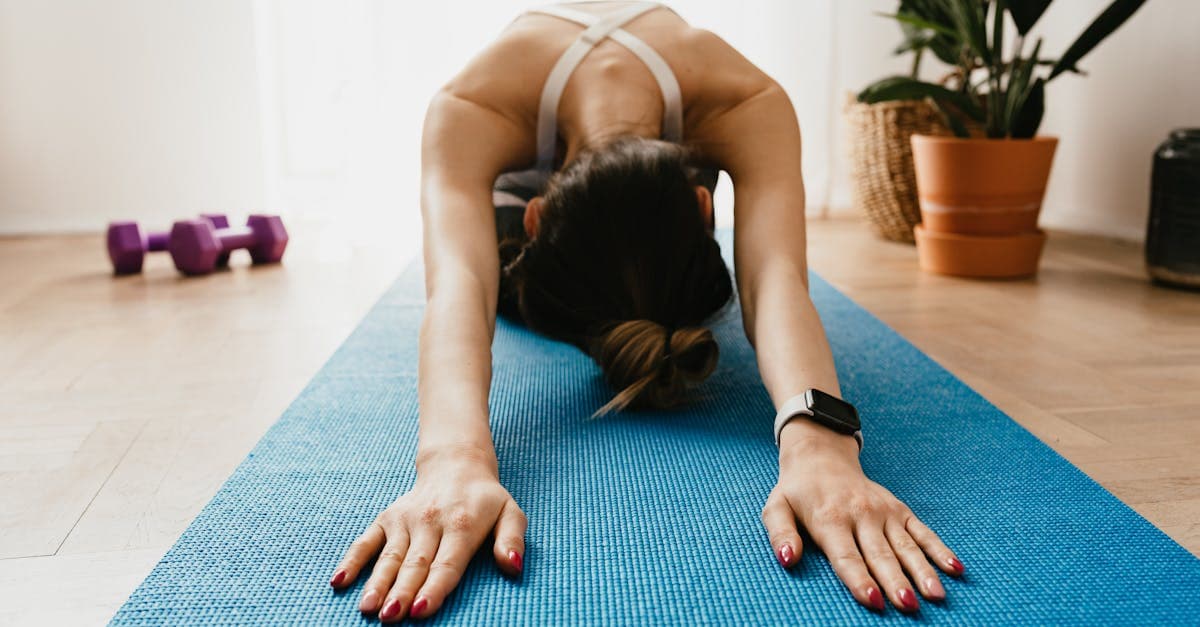
Yoga ist mehr als akrobatische Posen auf Instagram. Es ist eine Jahrtausende alte Praxis, die Körper, Geist und Atem verbindet – und die nachweislich Flexibilität, Kraft, Schlaf und mentale Gesundheit verbessert. Du musst weder besonders beweglich noch sportlich sein, um mit Yoga anzufangen. Tatsächlich ist „Ich bin nicht flexibel genug" der häufigste Grund, den Menschen nennen – und gleichzeitig der beste Grund, damit zu beginnen.
Warum Yoga? Die wissenschaftlich belegten Vorteile
Yoga ist kein Trend, sondern eine der am besten erforschten Bewegungsformen. Die Vorteile sind beeindruckend:
- Flexibilität und Mobilität: Schon 8 Wochen regelmäßiges Yoga verbessern die Beweglichkeit messbar
- Kraft: Viele Yoga-Posen erfordern erhebliche Muskelarbeit – Planke, Krieger, Boot-Pose
- Stressreduktion: Yoga senkt Cortisol und aktiviert den Parasympathikus
- Schlafqualität: Studien zeigen, dass Yoga-Praktizierende schneller einschlafen und besser durchschlafen
- Schmerzreduktion: Besonders bei Rückenschmerzen zeigt Yoga hervorragende Ergebnisse
- Gleichgewicht und Koordination: Wichtig für die Gesundheit im Alter
- Mentale Klarheit: Die Verbindung von Atem und Bewegung trainiert Fokus und Achtsamkeit
Was du für den Anfang brauchst
Die gute Nachricht: Fast nichts.
Notwendig:
- Bequeme Kleidung, die Bewegungsfreiheit erlaubt
- Eine rutschfeste Yogamatte (ab ca. 15 €)
- Genug Platz für deinen ausgestreckten Körper (ca. 2 x 1 m)
Optional, aber hilfreich:
- Yoga-Blöcke: Helfen bei Posen, in denen du den Boden noch nicht erreichst
- Yoga-Gurt: Unterstützt bei Dehnungen, wenn deine Flexibilität noch begrenzt ist
- Decke oder Kissen: Für Meditation und Entspannungshaltungen am Ende
Yoga-Stil für Anfänger:
- Hatha Yoga: Langsam, grundlegend, ideal für Anfänger
- Vinyasa Yoga: Fließender, etwas dynamischer – gut, wenn du Bewegung magst
- Yin Yoga: Sehr langsam, lang gehaltene Posen, fokussiert auf Faszien und Entspannung
- Vermeiden am Anfang: Bikram/Hot Yoga, Ashtanga (intensiv und schnell)
Die 10 wichtigsten Yoga-Posen für Einsteiger
Hier sind die grundlegenden Posen, die jeder Anfänger lernen sollte. Halte jede Pose für 5–8 Atemzüge.
1. Kindeshaltung (Balasana) Knie auf der Matte, setze dich auf die Fersen, beuge dich nach vorne und strecke die Arme aus. Stirn auf den Boden. Eine Ruheposition, zu der du jederzeit zurückkehren kannst.
2. Herabschauender Hund (Adho Mukha Svanasana) Hände und Füße auf dem Boden, Hüfte nach oben gedrückt, Körper bildet ein umgekehrtes V. Knie dürfen leicht gebeugt sein. Dehnt die gesamte Rückseite des Körpers.
3. Bergpose (Tadasana) Aufrecht stehen, Füße zusammen, Arme an den Seiten. Klingt simpel, ist aber die Grundlage aller Stehhaltungen. Fokus auf Körperspannung und bewusstes Stehen.
4. Krieger I (Virabhadrasana I) Ausfallschrittposition, hinterer Fuß leicht nach außen gedreht, Arme nach oben gestreckt. Stärkt Beine und Rumpf, öffnet die Hüfte.
5. Krieger II (Virabhadrasana II) Breiter Stand, vorderes Knie gebeugt, Arme seitlich ausgestreckt, Blick über die vordere Hand. Stärkt Oberschenkel und verbessert die Ausdauer.
6. Dreieck (Trikonasana) Breiter Stand, eine Hand zum vorderen Fuß (oder Schienbein), andere Hand nach oben. Dehnt die Seiten des Rumpfes und die Beinrückseite.
7. Katze-Kuh (Marjaryasana-Bitilasana) Im Vierfüßlerstand: Rücken rund machen (Katze), dann durchhängen lassen (Kuh). Mobilisiert die Wirbelsäule und wärmt den Rücken auf.
8. Kobra (Bhujangasana) Bauchlage, Hände neben den Schultern, Oberkörper sanft anheben. Stärkt den unteren Rücken und öffnet die Brust. Nicht in die Arme drücken – die Rückenmuskulatur macht die Arbeit.
9. Brücke (Setu Bandhasana) Rückenlage, Füße aufgestellt, Hüfte anheben. Stärkt Gesäß und unteren Rücken, öffnet die Brustwirbelsäule.
10. Totenstellung (Savasana) Flach auf dem Rücken liegen, Arme und Beine entspannt. Die wichtigste Pose – hier integriert dein Körper die Wirkung der Praxis. 5–10 Minuten am Ende jeder Session.
Eine 20-Minuten-Yoga-Routine für Anfänger
Hier ist eine komplette Routine, die du zu Hause durchführen kannst:
Aufwärmen (3 Min.):
- Sitzende Position, Augen schließen, 5 tiefe Atemzüge
- Nackenkreise (jeweils 3x in jede Richtung)
- Schulterkreise (jeweils 5x vorwärts und rückwärts)
Hauptteil (14 Min.):
- Katze-Kuh: 8 Wiederholungen
- Kindeshaltung: 5 Atemzüge
- Herabschauender Hund: 5 Atemzüge
- Vorbeuge im Stehen: 5 Atemzüge
- Bergpose: 3 Atemzüge
- Krieger I (rechts): 5 Atemzüge
- Krieger II (rechts): 5 Atemzüge
- Dreieck (rechts): 5 Atemzüge
- Bergpose: 3 Atemzüge
- Krieger I (links): 5 Atemzüge
- Krieger II (links): 5 Atemzüge
- Dreieck (links): 5 Atemzüge
- Herabschauender Hund: 5 Atemzüge
- Kobra: 5 Atemzüge
- Kindeshaltung: 5 Atemzüge
- Brücke: 5 Atemzüge (2x)
Abschluss (3 Min.):
- Savasana: 2–3 Minuten stilles Liegen
- Langsam aufrichten, Augen öffnen
Häufige Anfängerfehler
1. Dich mit anderen vergleichen: Yoga ist keine Konkurrenz. Jeder Körper ist anders. Deine Pose muss nicht so aussehen wie die auf dem Bild oder beim Nachbarn auf der Matte.
2. Schmerz als Fortschritt interpretieren: Dehnung ja, Schmerz nein. Wenn etwas wehtut, gehe aus der Pose heraus oder passe sie an. Yoga sollte nie schmerzen.
3. Den Atem vergessen: Der Atem ist das Herzstück von Yoga. Wenn du merkst, dass du den Atem anhältst, vereinfache die Pose.
4. Zu schnell zu viel wollen: Fortgeschrittene Posen wie Kopfstand oder Spagat kommen mit der Zeit. Fokussiere dich auf die Grundlagen.
5. Savasana überspringen: Die Abschlussentspanung ist kein optionaler Bonus – sie ist einer der wichtigsten Teile der Praxis.
6. Unregelmäßig üben: 3x 20 Minuten pro Woche bringt mehr als 1x 90 Minuten. Konsistenz schlägt Intensität.
Yoga wirkt sich auf deinen gesamten Lebensstil aus – von der Flexibilität über den Schlaf bis zur Stressbewältigung. Um diese Fortschritte sichtbar zu machen, hilft es, dein Training und Wohlbefinden regelmäßig zu dokumentieren.
Tracke dein Yoga-Training und alle anderen Gesundheitsdaten mit getNudge. Die App zeigt dir, wie Yoga deine Schlafqualität, dein Stresslevel und deine allgemeine Fitness beeinflusst – mit personalisierten Insights, die dir helfen, am Ball zu bleiben. Lade getNudge jetzt herunter und entdecke die transformative Kraft von Yoga.
Tracke deine Gesundheit mit getNudge
getNudge hilft dir, die Zusammenhänge zwischen Ernährung, Schlaf und Wohlbefinden zu verstehen – mit personalisierten Nudges basierend auf deinen echten Daten.