Vegetarian Protein Sources: How to Meet Your Needs Without Meat
Auf Deutsch lesen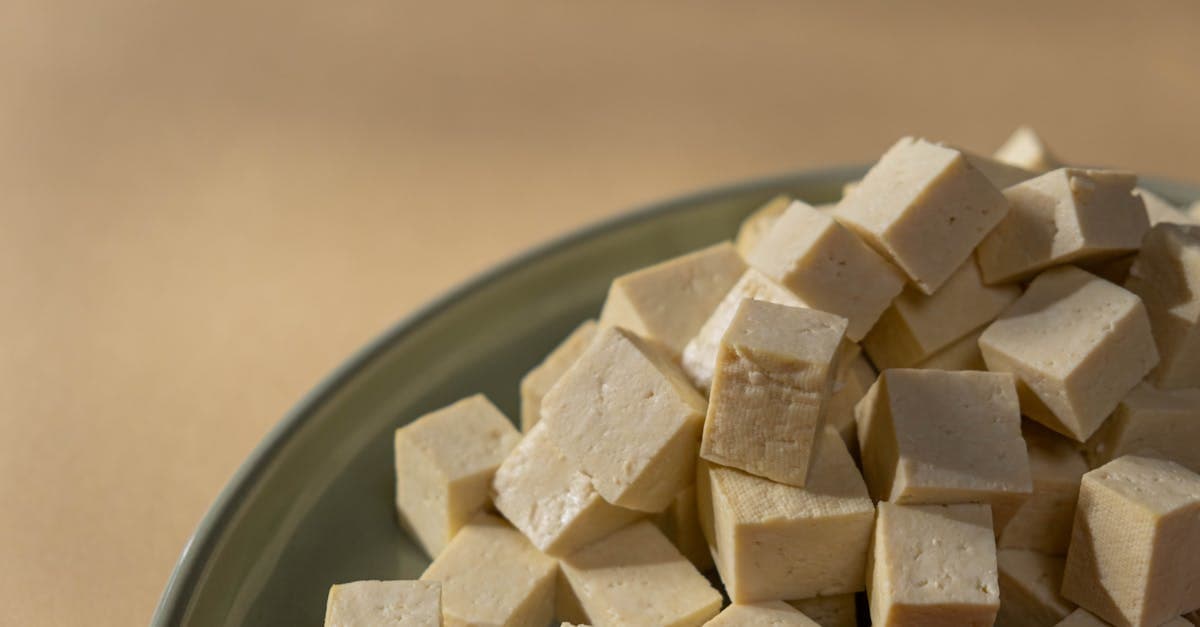
One of the first questions vegetarians hear is, "But where do you get your protein?" It is a fair question, but one with a surprisingly simple answer: plants, dairy, and eggs provide more than enough protein for most people. In fact, many vegetarians exceed their protein targets without even trying. The key is knowing which foods to prioritize and how to combine them for the best results.
How Much Protein Do You Actually Need?
Before diving into the best sources, it helps to know your target. General guidelines suggest about 0.8 grams of protein per kilogram of body weight per day for sedentary adults. If you exercise regularly, that number climbs to 1.2 to 1.6 grams, and strength athletes may benefit from even more.
For a 150-pound person, that translates to roughly 55 to 110 grams of protein daily, depending on activity level. This is entirely achievable on a vegetarian diet with some basic awareness.
A persistent myth is that plant proteins are somehow inferior to animal proteins. While individual plant foods may be lower in certain amino acids, eating a variety of protein sources throughout the day gives your body the complete amino acid profile it needs. You do not need to obsess over combining proteins at every meal — just eat a diverse diet.
Top Vegetarian Protein Sources
Here are the foods that should become staples in your kitchen:
Legumes are the cornerstone of vegetarian protein. Lentils pack about 18 grams of protein per cooked cup, chickpeas deliver 15 grams, and black beans offer 15 grams. They are also loaded with fiber, which keeps you full and supports gut health. From soups and stews to salads and spreads, legumes are endlessly versatile.
Tofu and Tempeh are soy-based powerhouses. A half cup of firm tofu provides about 20 grams of protein, while tempeh delivers roughly 16 grams per half cup. Tempeh has the added benefit of being fermented, which improves nutrient absorption and promotes a healthy gut microbiome.
Eggs and Dairy remain excellent options for lacto-ovo vegetarians. One large egg contains about 6 grams of protein, a cup of Greek yogurt offers 15 to 20 grams, and cottage cheese packs around 14 grams per half cup. These foods also provide complete proteins with all essential amino acids.
Nuts and Seeds deliver protein alongside healthy fats and minerals. Almonds have about 6 grams per ounce, pumpkin seeds offer 9 grams per ounce, and hemp seeds provide 10 grams per three tablespoons. Sprinkle them on salads, blend them into smoothies, or eat them as a snack.
Whole Grains and Pseudocereals like quinoa, amaranth, and oats round out your protein intake. Quinoa is particularly notable — one cooked cup provides 8 grams of protein and contains all nine essential amino acids, making it one of the few complete plant proteins.
Smart Combinations for Complete Nutrition
While you do not need to combine proteins at every meal, certain pairings naturally complement each other and create satisfying, nutritionally balanced dishes:
- Beans and rice: A classic combination found in cuisines worldwide, from Mexican burritos to Indian dal with rice
- Hummus and whole wheat pita: Chickpeas and grain together cover all amino acid bases
- Peanut butter on whole grain toast: A simple breakfast that delivers a solid protein punch
- Lentil soup with a side of bread: Hearty, affordable, and protein-rich
These combinations work because legumes tend to be lower in methionine but higher in lysine, while grains have the opposite profile. Together, they form a complete protein that rivals any steak.
Traditional cuisines around the world figured this out centuries ago. Mexican beans and corn, Middle Eastern falafel with pita, Japanese edamame with rice — these are time-tested combinations that taste great and nourish well.
A Sample High-Protein Vegetarian Day
To show how easy it is in practice, here is a sample day that reaches about 90 grams of protein:
Breakfast: Greek yogurt parfait with granola, hemp seeds, and berries (about 25 grams of protein). Prep it in a jar the night before for a grab-and-go option.
Lunch: Chickpea and quinoa salad with roasted vegetables, feta cheese, and a lemon-tahini dressing (about 25 grams of protein). Make a big batch on Sunday and portion it out for the week.
Snack: A handful of almonds with a hard-boiled egg (about 12 grams of protein). Simple, portable, and satisfying.
Dinner: Red lentil curry with brown rice and a dollop of yogurt on top (about 28 grams of protein). Red lentils cook in 15 minutes and do not require soaking — perfect for busy weeknights.
This adds up to about 90 grams of protein without any protein powders or specialty products. Just real, whole foods.
Common Mistakes to Avoid
Even with good intentions, some vegetarians fall into protein pitfalls:
Relying too heavily on cheese: While cheese contains protein, it is also calorie-dense and high in saturated fat. If cheese is your go-to protein at every meal, you may be taking in more calories than you need.
Overestimating processed meat alternatives: Veggie burgers and plant-based sausages can be convenient, but many are lower in protein and higher in sodium than you might expect. Always check the nutrition label.
Eating protein unevenly: Your body utilizes protein most efficiently when it is spread across meals — about 20 to 40 grams per sitting. Loading all your protein into dinner means your body misses opportunities to use it for muscle repair and other processes throughout the day.
Not enough variety: Eating pasta with tomato sauce every night will leave you short on protein and many other nutrients. Rotate your protein sources to cover your bases nutritionally.
Tracking Makes the Invisible Visible
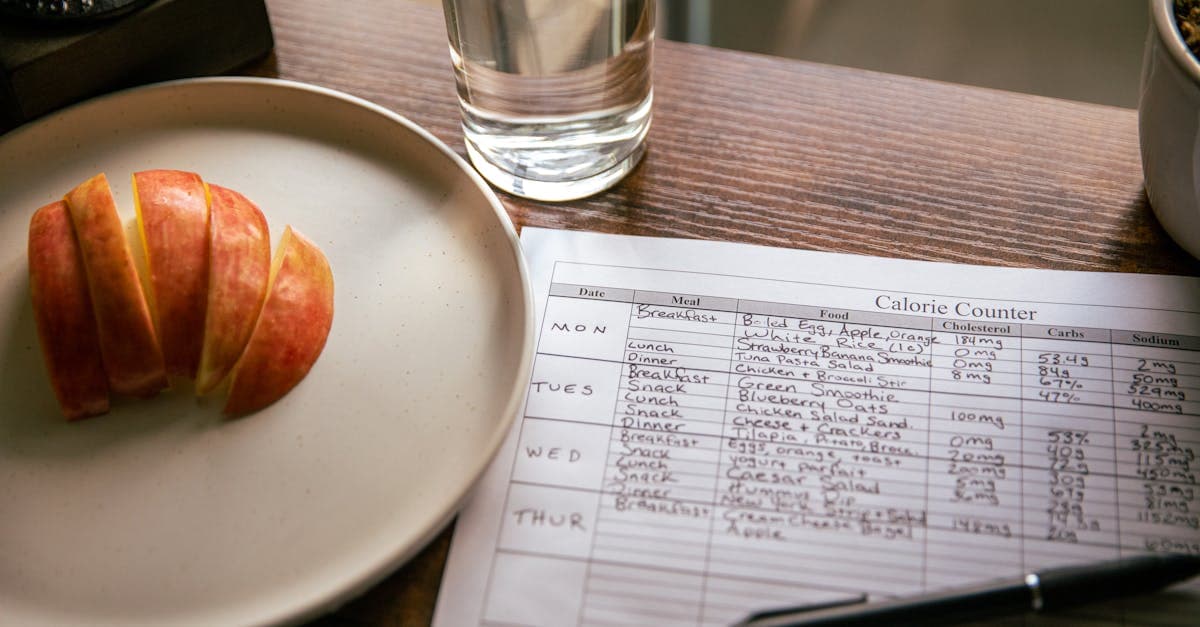
Many people have no real sense of how much protein they eat day to day. Tracking your intake for even a few days can be incredibly revealing. You might discover that your breakfasts are consistently low in protein, or that certain meals are doing the heavy lifting while others fall flat.
This is where getNudge comes in. The app makes it easy to log what you eat and see your protein intake at a glance. Over time, you develop an intuitive sense of which meals serve you well and which ones need a boost. The goal is not to count grams forever — it is to build awareness that leads to better habits.
Download getNudge and take the guesswork out of your vegetarian nutrition — with smart tracking that helps you hit your protein goals every day.
Track your health with getNudge
getNudge helps you understand the connections between nutrition, sleep, and well-being – with personalized nudges based on your real data.