Calisthenics für Einsteiger: Mit dem eigenen Körpergewicht trainieren
Read in English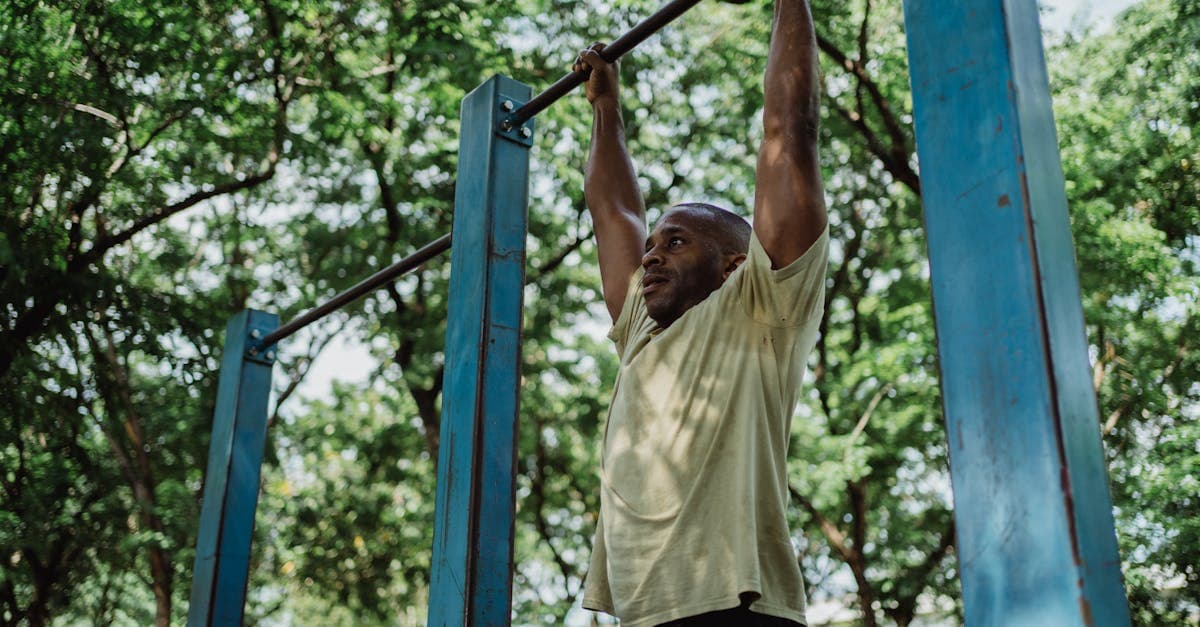
Du brauchst kein Fitnessstudio, keine teuren Geräte und kein kompliziertes Equipment. Mit Calisthenics trainierst du deinen gesamten Körper mit dem effektivsten Trainingsgerät, das es gibt: deinem eigenen Körpergewicht. Ob zu Hause, im Park oder auf Reisen – Calisthenics ist flexibel, effektiv und für jeden Fitnesslevel zugänglich. In diesem Guide erfährst du, wie du als Einsteiger richtig startest.
Was ist Calisthenics – und warum ist es so effektiv?
Calisthenics kommt aus dem Griechischen und bedeutet so viel wie „schöne Kraft". Es umfasst alle Übungen, bei denen du nur dein Körpergewicht als Widerstand nutzt: Liegestütze, Klimmzüge, Kniebeugen, Dips, Planks und viele mehr.
Was Calisthenics von isoliertem Gerätetraining unterscheidet, ist die funktionelle Natur der Übungen. Statt einzelne Muskeln isoliert zu trainieren, beanspruchst du bei fast jeder Übung mehrere Muskelgruppen gleichzeitig. Das verbessert nicht nur deine Kraft, sondern auch deine Koordination, Körperkontrolle, Stabilität und Beweglichkeit.
Ein weiterer großer Vorteil: Calisthenics skaliert mit deinem Fitnesslevel. Jede Übung hat einfachere und schwierigere Varianten. Kannst du noch keine Liegestütze auf dem Boden? Dann starte an der Wand oder auf erhöhter Fläche. Sind normale Kniebeugen zu leicht? Versuche Pistol Squats. Diese Progressionen machen Calisthenics sowohl für absolute Anfänger als auch für Fortgeschrittene herausfordernd.
Die 6 Grundübungen, die jeder Einsteiger lernen sollte
Diese sechs Übungen bilden das Fundament eines jeden Calisthenics-Trainings. Lerne sie sauber auszuführen, bevor du dich an fortgeschrittene Varianten wagst.
1. Liegestütze (Push-ups)
Die Liegestütze trainieren Brust, Schultern und Trizeps. Achte auf eine gerade Körperlinie von Kopf bis Fuß, die Hände schulterbreit aufgestellt. Senke dich kontrolliert ab, bis deine Brust fast den Boden berührt, und drücke dich wieder hoch.
Einstiegsvariante: Liegestütze an der Wand oder auf einer erhöhten Fläche wie einer Parkbank. Je steiler der Winkel, desto einfacher.
2. Kniebeugen (Squats)
Die Königin der Beinübungen. Stelle dich schulterbreit hin, drücke die Hüfte nach hinten und beuge die Knie, als würdest du dich auf einen Stuhl setzen. Achte darauf, dass die Knie in Richtung der Zehenspitzen zeigen und dein Rücken gerade bleibt.
Einstiegsvariante: Setze dich auf einen Stuhl und stehe ohne Armhilfe auf.
3. Rudern (Australian Pull-ups)
Eine horizontale Zugübung, die den Rücken und Bizeps trainiert. Hänge dich unter eine Stange (oder einen stabilen Tisch), Körper gerade, und ziehe dich zur Stange. Je flacher dein Körperwinkel, desto schwieriger wird es.
Einstiegsvariante: Starte mit einem steileren Winkel – je aufrechter du stehst, desto einfacher.
4. Planks
Die beste Übung für deine gesamte Rumpfmuskulatur. Stütze dich auf Unterarme und Zehenspitzen, Körper bildet eine gerade Linie. Halte die Spannung, ohne durchzuhängen oder den Po hochzudrücken.
Einstiegsvariante: Plank auf den Knien statt auf den Zehenspitzen.
5. Dips
Dips trainieren Brust, Schultern und Trizeps aus einem anderen Winkel als Liegestütze. Stütze dich zwischen zwei Stangen oder auf einer Kante ab und senke deinen Körper kontrolliert ab.
Einstiegsvariante: Bench Dips – Hände hinter dir auf einer Bank, Beine ausgestreckt, Körper absenken und hochdrücken.
6. Ausfallschritte (Lunges)
Mache einen großen Schritt nach vorne, senke das hintere Knie kontrolliert Richtung Boden und drücke dich zurück in die Ausgangsposition. Ausfallschritte trainieren Beine und Gesäß und verbessern gleichzeitig die Balance.
Einstiegsvariante: Halte dich an einer Wand oder einem Stuhl fest, um die Balance zu halten.
Dein erster Trainingsplan: 3 Tage pro Woche
Als Anfänger reichen drei Trainingseinheiten pro Woche völlig aus. Dazwischen brauchen deine Muskeln Erholung, um sich anzupassen und stärker zu werden.
Trainingstag (ca. 30–40 Minuten):
| Übung | Sätze | Wiederholungen | Pause | |---|---|---|---| | Liegestütze (oder Variante) | 3 | 8–12 | 60 Sek. | | Kniebeugen | 3 | 12–15 | 60 Sek. | | Rudern (oder Variante) | 3 | 8–12 | 60 Sek. | | Ausfallschritte | 3 | 10 pro Bein | 60 Sek. | | Plank | 3 | 20–30 Sek. | 45 Sek. | | Bench Dips | 3 | 8–12 | 60 Sek. |
Aufwärmen: 5 Minuten leichtes Cardio (Jumping Jacks, Joggen auf der Stelle) und dynamisches Dehnen (Armkreisen, Beinschwingen).
Progression: Wenn du alle Sätze mit guter Form schaffst, steigere entweder die Wiederholungen, die Sätze oder wechsle zu einer schwierigeren Variante. Diese stetige Progression ist der Schlüssel zu Fortschritt.
Typische Anfängerfehler und wie du sie vermeidest
Form vor Wiederholungen: Es ist verlockend, möglichst viele Wiederholungen rauszupressen. Aber unsaubere Form führt zu weniger Muskelaktivierung und erhöhtem Verletzungsrisiko. Mache lieber fünf saubere Liegestütze als zehn mit durchhängendem Rücken.
Zu schnell steigern: Deine Muskeln passen sich schneller an als Sehnen und Gelenke. Gib deinem Körper Zeit. Steigere die Intensität um maximal 10 Prozent pro Woche.
Aufwärmen auslassen: Kalte Muskeln und Gelenke sind verletzungsanfällig. Investiere immer 5–10 Minuten ins Aufwärmen.
Regeneration vernachlässigen: Muskeln wachsen nicht im Training, sondern in der Erholung. Schlaf, Ernährung und Ruhetage sind genauso wichtig wie das Training selbst.
Nur Druckübungen machen: Viele Anfänger machen nur Liegestütze und Kniebeugen und vergessen Zugübungen wie Rudern. Das führt zu muskulären Dysbalancen. Achte auf ein ausgewogenes Verhältnis.
So bleibst du langfristig motiviert
Calisthenics hat einen unschlagbaren Motivationsvorteil: Die Fortschritte sind direkt spürbar und sichtbar. Wenn du von Wand-Liegestützen zu Boden-Liegestützen kommst, von 10-Sekunden-Planks zu einer Minute – das ist ein greifbares Erfolgserlebnis.
Dokumentiere deine Fortschritte. Schreibe auf, welche Übungen du gemacht hast, wie viele Wiederholungen du geschafft hast und wie du dich dabei gefühlt hast. So siehst du auch an schwächeren Tagen, wie weit du bereits gekommen bist.
Setze dir realistische Zwischenziele: Dein erster sauberer Liegestütz, zehn Kniebeugen am Stück, 30 Sekunden Plank. Feiere diese Meilensteine – sie sind wichtiger, als du denkst.
Und vergiss nicht: Konsistenz schlägt Perfektion. Dreimal pro Woche 30 Minuten über Monate hinweg bringt mehr als ein intensives Training pro Woche.
getNudge hilft dir, dein Training zu tracken und den Zusammenhang zwischen Bewegung, Ernährung und Erholung zu verstehen. Die App zeigt dir, wie dein Calisthenics-Training deine Fitness und dein Wohlbefinden verbessert – mit personalisierten Insights, die auf deinen echten Daten basieren. Lade getNudge jetzt herunter und starte dein Bodyweight-Training.
Tracke deine Gesundheit mit getNudge
getNudge hilft dir, die Zusammenhänge zwischen Ernährung, Schlaf und Wohlbefinden zu verstehen – mit personalisierten Nudges basierend auf deinen echten Daten.